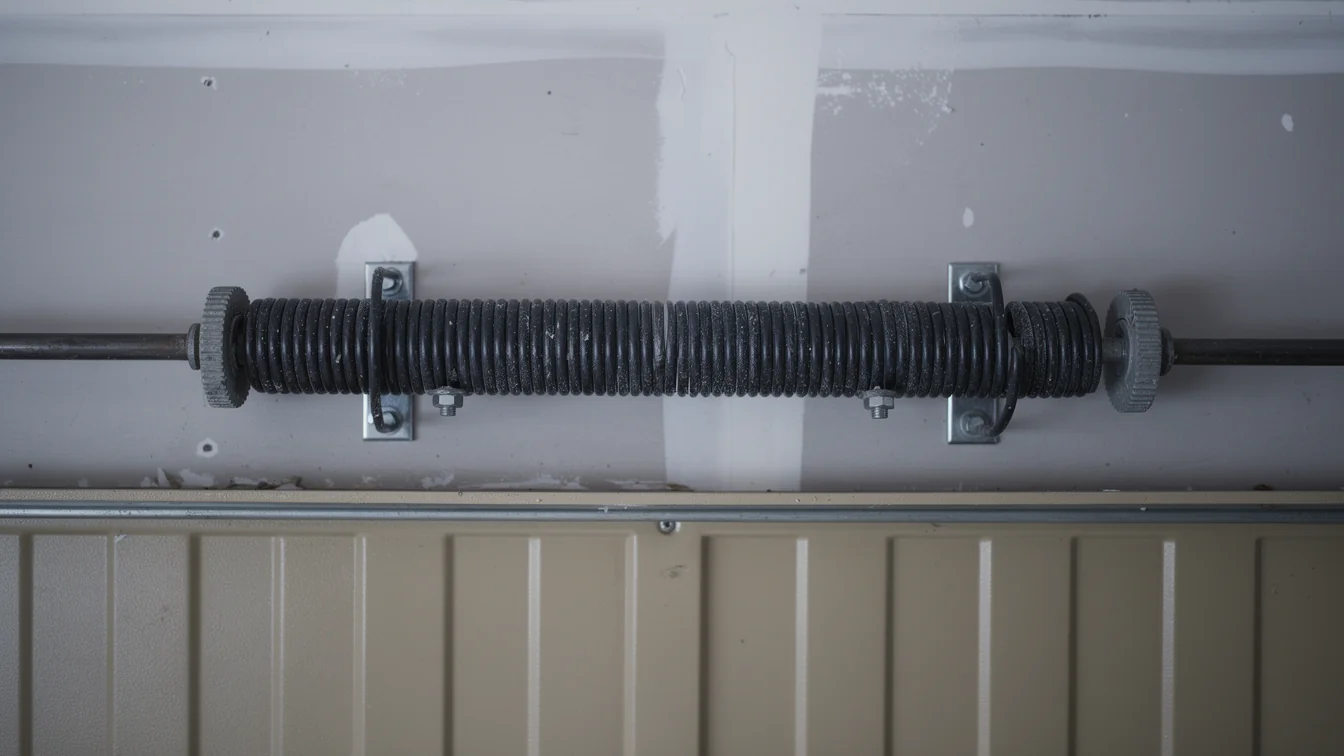
 When a Spring Goes in Cold Weather: What's Really Happening in La Mirada
La Mirada's 1960s-70s housing stock and mild winter cold snaps put old torsion springs under strain.
Attached or Detached: The Garage Door Question La Mirada Homes Actually Face
La Mirada's 1960s-70s housing stock split between detached and attached garages. Here's how the door, opener, and hardware needs differ on each, and what to check before you call.
Local detail
What Is Going On
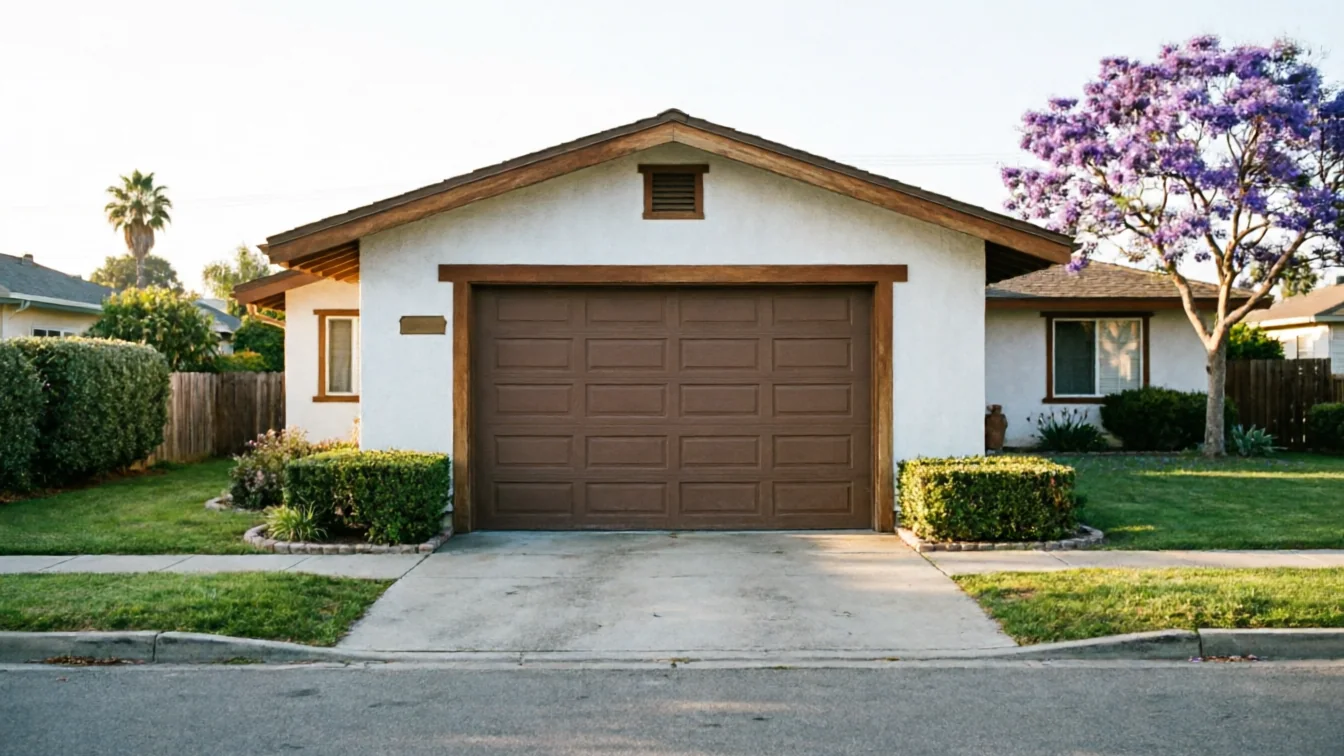
Most of La Mirada went up between 1943 and 2012, with the bulk of it dating to the 1960s and 70s. That building wave shows up in two very different garage setups around town: the detached single garage set back from the house on an older lot, and the attached two-car garage built into the house itself on the newer tract layouts from the same era. They are not the same job. A detached garage usually carries its own short run of track, a lighter door, and wiring that was added on later rather than built in. An attached garage ties the door opener into the house circuit and often shares a wall with living space, which matters for noise and for how much weight the header can carry. Homeowners calling in usually describe the same symptom - a door that drags, or an opener that strains - but what's actually wrong depends heavily on which of these two structures they're standing in front of. We see both configurations regularly given how the city's housing stock splits across its original tract-era construction.
The area
Where People Go Wrong
The common mistake is treating a detached garage door like it's getting the same support as an attached one. On a detached structure from the 1960s era, the frame is often wood that has moved over sixty-plus years, and the track mounts were never engineered for a heavier insulated door. Swap in a modern double-thick door on that old jamb and you get binding that looks like a spring problem but is actually a frame problem. On the attached side, people under-check the wall connection - the shared header between house and garage takes stress that a standalone structure never sees, and loose fasteners there cause a door to rack sideways even when the hardware itself tests out fine. Neither of these problems is something a fresh set of rollers fixes, and we'd rather tell a homeowner that upfront than sell a part that won't solve it.
What we find
What to Check
Start by figuring out which type you actually have, since the checklist differs. For a detached garage: look at where the track bolts into the frame - on homes from this era that's often the original lumber, and if it's splitting or soft, that's your drag, not the spring. For an attached garage: check the gap and alignment where the door meets the house wall, since settling over decades shows up there first as a door that's slightly out of square. On both types, run the door by hand with the opener disconnected - if it doesn't move smoothly under its own weight, no opener adjustment will fix that. If the door is original to a 1960s build, which is common across this housing stock, worn galvanized hardware is also worth a look before anything else gets replaced.
How we work
How Local Conditions Play In
La Mirada sits in a mild temperate band, so we're not dealing with the freeze-thaw cycles or heavy snow load that force certain hardware choices elsewhere. That actually works in favor of a lot of these older detached garages - the wood frames have degraded slowly from age and moisture rather than from extreme weather stress, which is why many are still functional at sixty years old with the right adjustments instead of a full rebuild. It also means insulation on the door itself matters more for attached garages, where a shared wall with the house affects comfort, than for detached structures, where it's mostly about protecting what's stored inside. One limitation worth saying plainly: if a detached garage's wood frame has rotted past a certain point, no amount of track or hardware work fixes it - that's a carpentry job before it's a door job, and we'll tell you that rather than keep adjusting a door that the frame won't hold straight.
Questions
Common questions
Is a detached garage door repair different from an attached one?
Yes. Detached garages in La Mirada often have original wood framing from the 1960s-70s building era that was never sized for modern insulated doors, so track and frame issues show up differently than on an attached garage, where the shared house wall and header take on more of the stress.
Does La Mirada's climate affect which door type needs more maintenance?
The mild temperate climate here spares both detached and attached garages from freeze-thaw damage, but it doesn't stop decades of general wear. Older detached frames from this era tend to show age-related softening rather than weather-driven failure, which changes what's worth checking first.
My attached garage door seems to shake the wall when it closes - is that normal?
Not usually. On an attached garage, that's often a loose connection where the door frame meets the house header, which can work loose over the decades common to this area's housing stock. It's worth checking before assuming it's a spring or opener issue.
Recommendation
You Might Also Like
More garage door guides for La Mirada homeowners.
When a Spring Goes in Cold Weather: What's Really Happening in La Mirada
La Mirada's 1960s-70s housing stock and mild winter cold snaps put old torsion springs under strain.
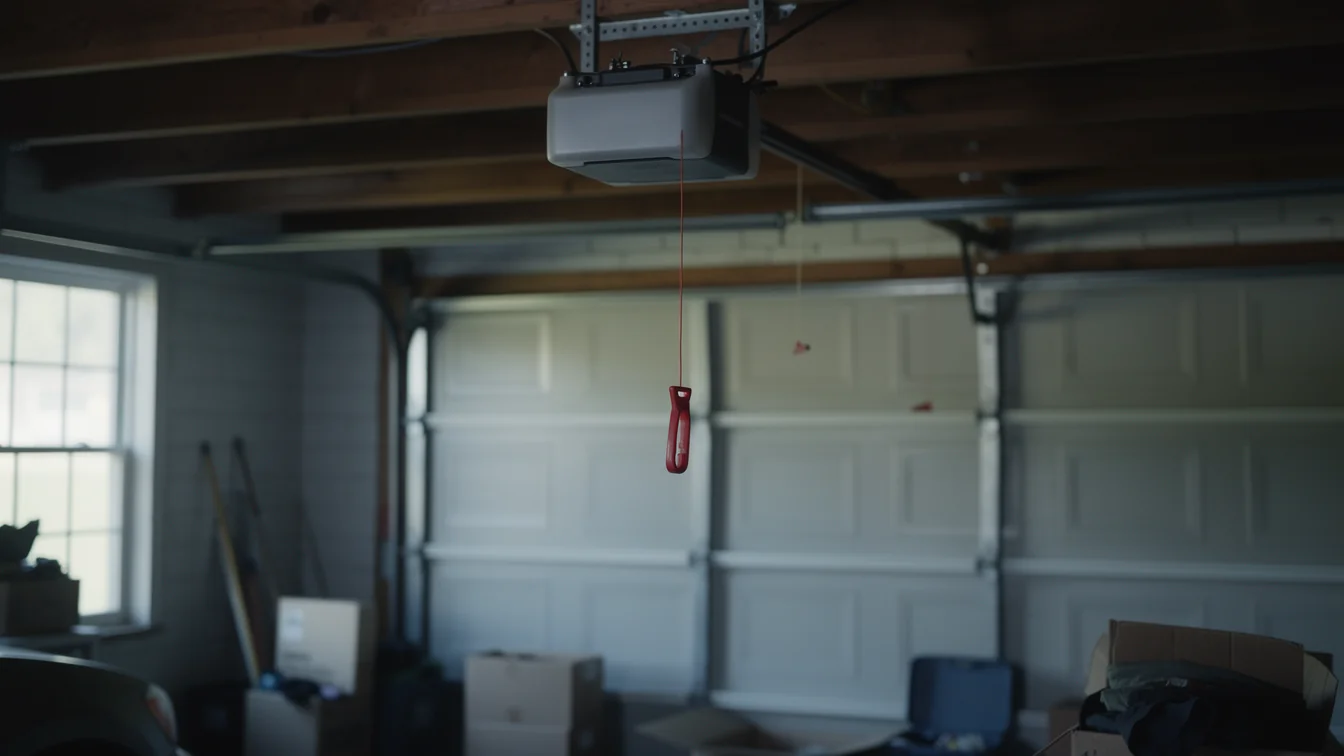 Openers and Power Cuts in La Mirada Homes
La Mirada's housing stock dates mostly to the 1960s and 70s.
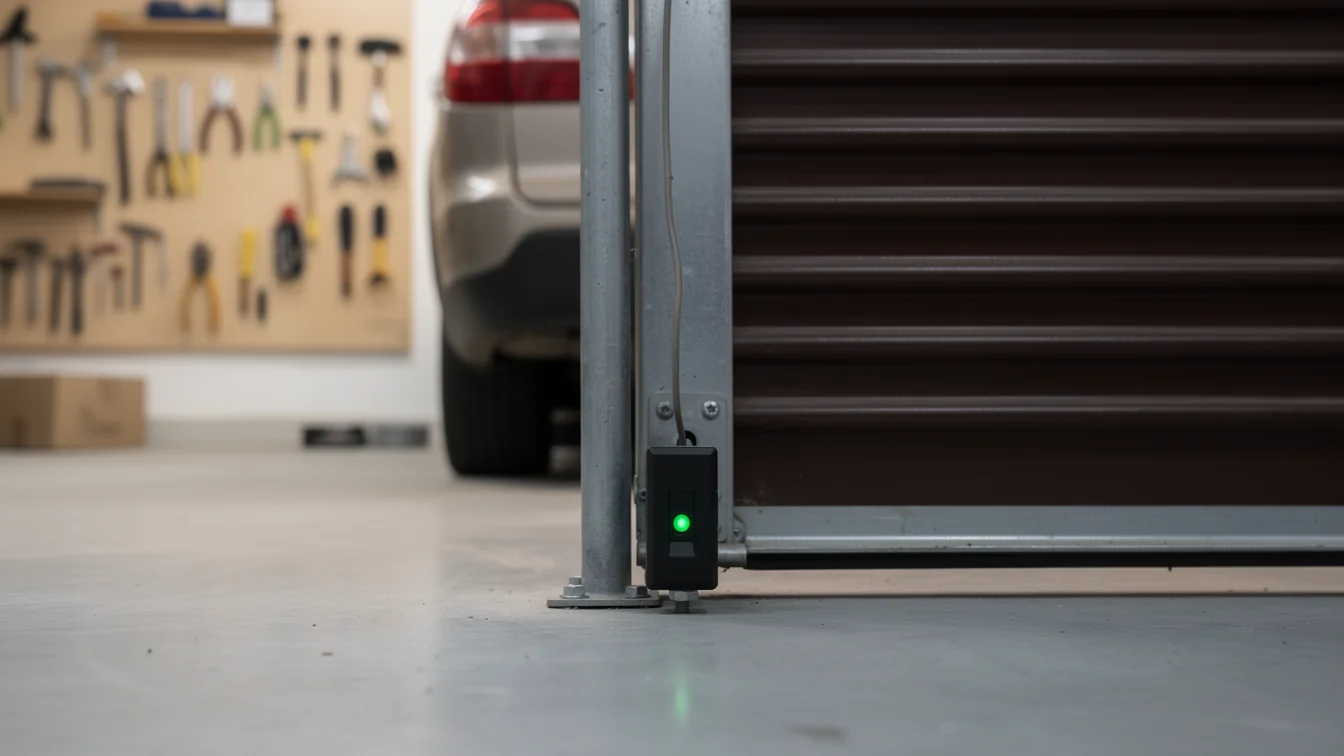 Why Your Garage Door Sensors Keep Drifting Out of Alignment
La Mirada homes built mostly in the 1960s and 70s have garage doors prone to sensor misalignment.
Ready when you are
Need a garage door sorted in La Mirada?
La Mirada Garage Door Pros repairs and installs garage doors, springs and openers in La Mirada, CA and the surrounding area.
Certified Experts
Quality Assured