
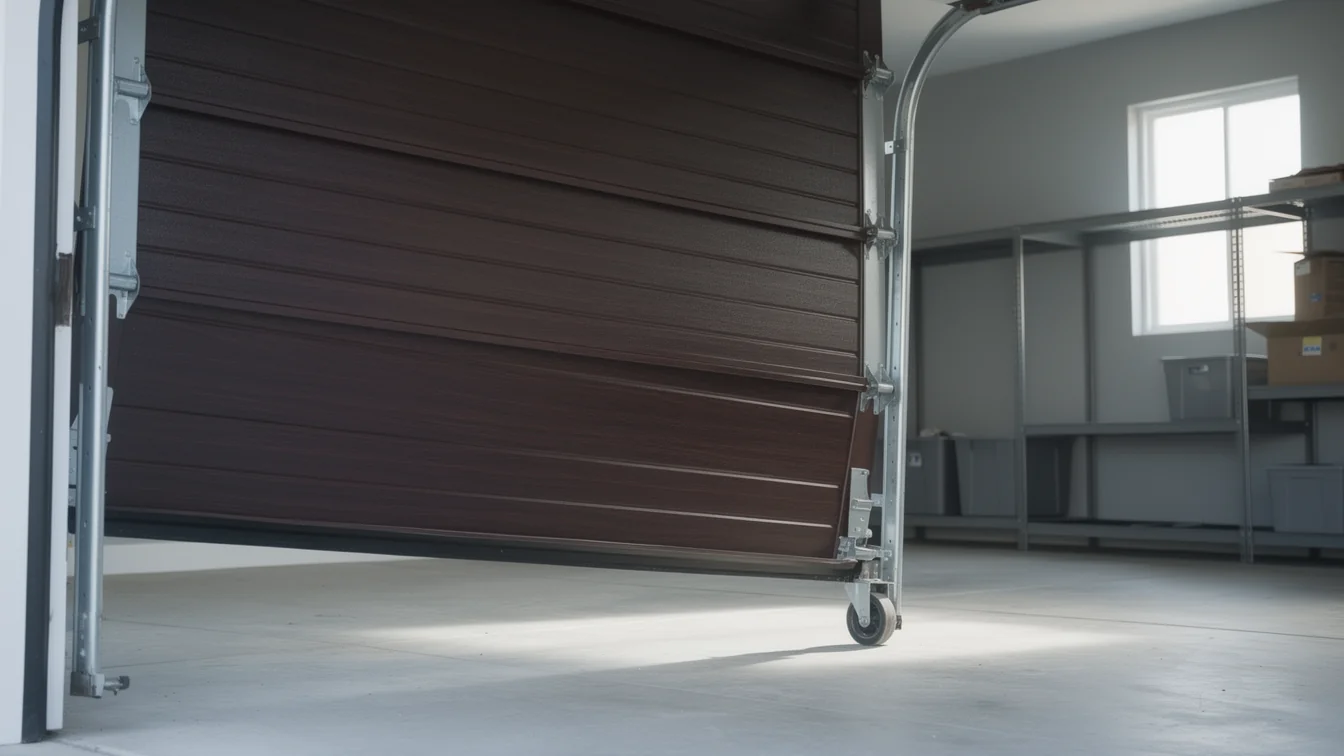
 Why a Door Goes Off Track in a La Mirada Garage
La Mirada homes built mostly in the 1960s and 70s still run original steel track.
Why Your Garage Door Sensors Keep Drifting Out of Alignment
La Mirada homes built mostly in the 1960s and 70s have garage doors prone to sensor misalignment. Here's what's going on and what to check before you call.
Local detail
What Is Going On
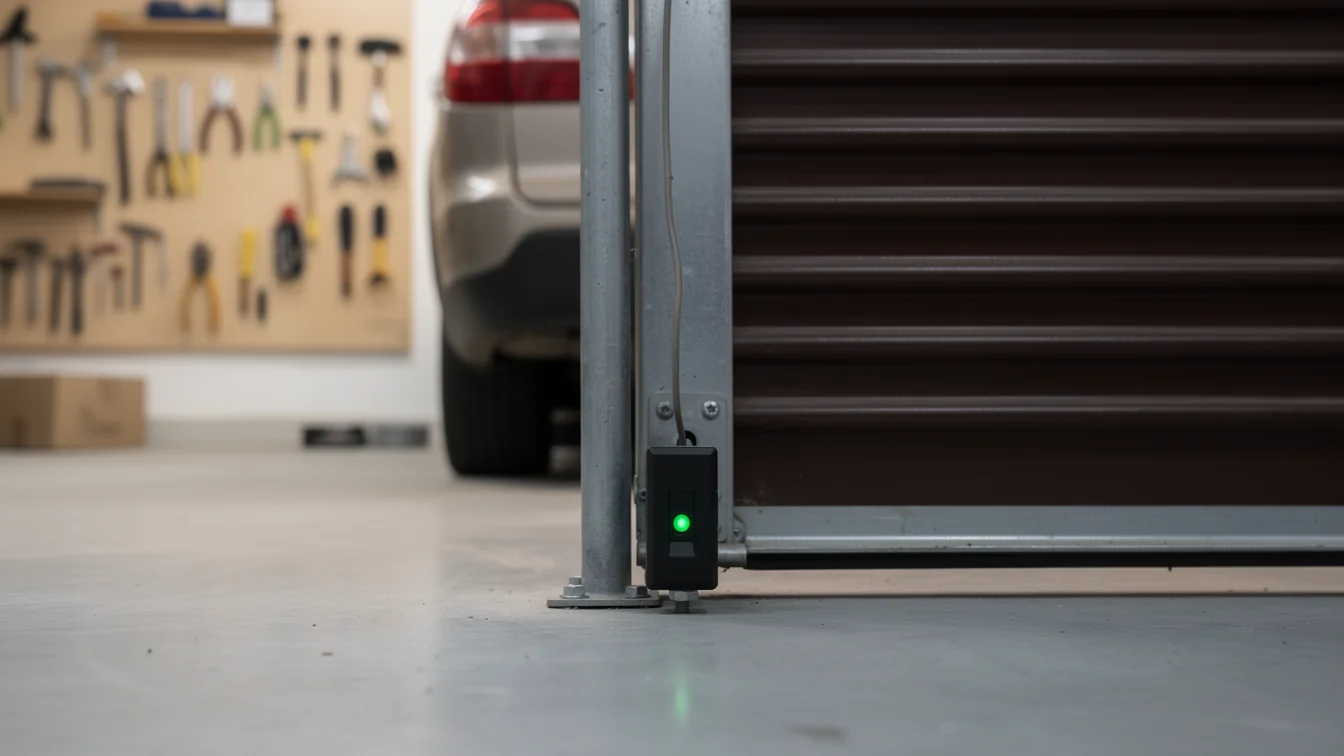
Most garage doors in La Mirada sit on slabs poured between the 1940s and the early 2010s, with the bulk of the stock going up in the 1960s and 70s. That matters for sensors because those original slabs have had fifty-plus years to settle, and even a slab that moves a quarter inch over decades is enough to tip a sensor bracket out of true. The photo-eye sensors near the bottom of the track read a beam across the opening. When one bracket sits a hair lower or higher than the other, the beam clips the edge instead of hitting dead center, and the opener starts refusing to close or reversing for no obvious reason.
In a region with a mild temperate climate, you don't get the freeze-thaw heaving that wrecks slabs elsewhere, so the drift here is slow and structural rather than seasonal and dramatic. That's actually the trap: without a hard winter to blame, owners assume the opener itself is failing when the real issue is a bracket that's slowly walked a few degrees off plumb over years of minor settling and vibration from the door cycling.
The area
Where People Go Wrong
The common mistake is replacing the opener logic board or the sensors themselves before checking alignment, because a blinking light reads like a dead part. On a lot of La Mirada houses from the 1960s and 70s building wave, the sensor brackets were mounted directly to wood jamb trim that's original to the house. That trim moves with humidity and age independent of the slab, so even a perfectly good sensor pair can look misaligned because the mounting surface behind it isn't flat anymore.
The other error is nudging the sensor by hand to make the light turn green, then leaving it there. That gets the door working for a day or two, but it doesn't address why it drifted, and a bracket that's already loose on old trim screws will walk again within weeks. If you're re-tightening the same sensor every month, the screws or the trim behind them are the actual problem, not the sensor unit.
What we find
What to Check
Start at the bracket, not the eye. Check whether the mounting screws are snug against the track or jamb - on houses from the 1964-median era, those screws have often backed out slightly from decades of door vibration. Next, look at the indicator lights on both sensors: solid usually means aligned, blinking means the beam isn't connecting. Wipe both lenses, since dust and cobwebs sitting in a mild climate with no hard rain to wash them off build up more than people expect.
Then sight down the beam path yourself. Crouch at one sensor and look across at the other - you should see it in a straight line, not angled up or down. If the brackets are mounted to original wood trim rather than the metal track, flex that trim gently; if it gives at all, that's your drift source, and a repair there means re-securing the mount, not swapping electronics.
One honest limit here: if the trim or jamb itself has rotted or warped, realigning the sensor is a short-term fix. At that point the fix is replacing the mounting surface, and that's carpentry, not a garage door adjustment.
How we work
How Local Conditions Play In
La Mirada's mild temperate climate means you're spared the big swings that crack concrete or warp wood quickly, which is partly why so much of the original 1960s and 70s housing stock here is still standing with its original garage structure largely intact. But mild and stable doesn't mean static - it means movement happens slowly, in millimeters over years, which is exactly the kind of drift that's easy to miss until the sensors stop reading reliably.
Because the service area runs from houses built as early as 1943 up through 2012, the fix looks different depending on the house. A garage built in the last fifteen years usually has sensors on metal brackets bolted to a steel track, and those rarely drift on their own. A garage from the 1960s wave, with wood trim and a slab that's had sixty years to settle, is a different animal, and that's the group where sensor drift keeps coming back unless someone addresses the mount, not just the eye.
Questions
Common questions
Why do my garage door sensors keep going out of alignment in La Mirada?
On homes from the 1960s and 70s building wave, sensors are often mounted to original wood jamb trim rather than the steel track. That trim shifts slowly as the house settles, which tips the sensor bracket a few degrees off over time. It's rarely the electronics failing - it's the mounting surface moving underneath them.
Does La Mirada's climate cause sensor problems?
Not directly through freeze-thaw, since the climate here is mild temperate and doesn't put houses through hard winter cycling. But dust and cobwebs build up on the lenses without heavy rain to clear them, and that buildup can look like a drift issue when it's really just a dirty lens.
Can I fix sensor drift myself?
Often yes, if it's a loose bracket screw or a dirty lens. Tighten the mount, wipe both lenses, and sight down the beam to confirm it's level. If the trim behind the bracket is soft or warped, that's a carpentry fix first, and realigning the sensor alone won't hold.
Recommendation
You Might Also Like
More garage door guides for La Mirada homeowners.
Why a Door Goes Off Track in a La Mirada Garage
La Mirada homes built mostly in the 1960s and 70s still run original steel track.
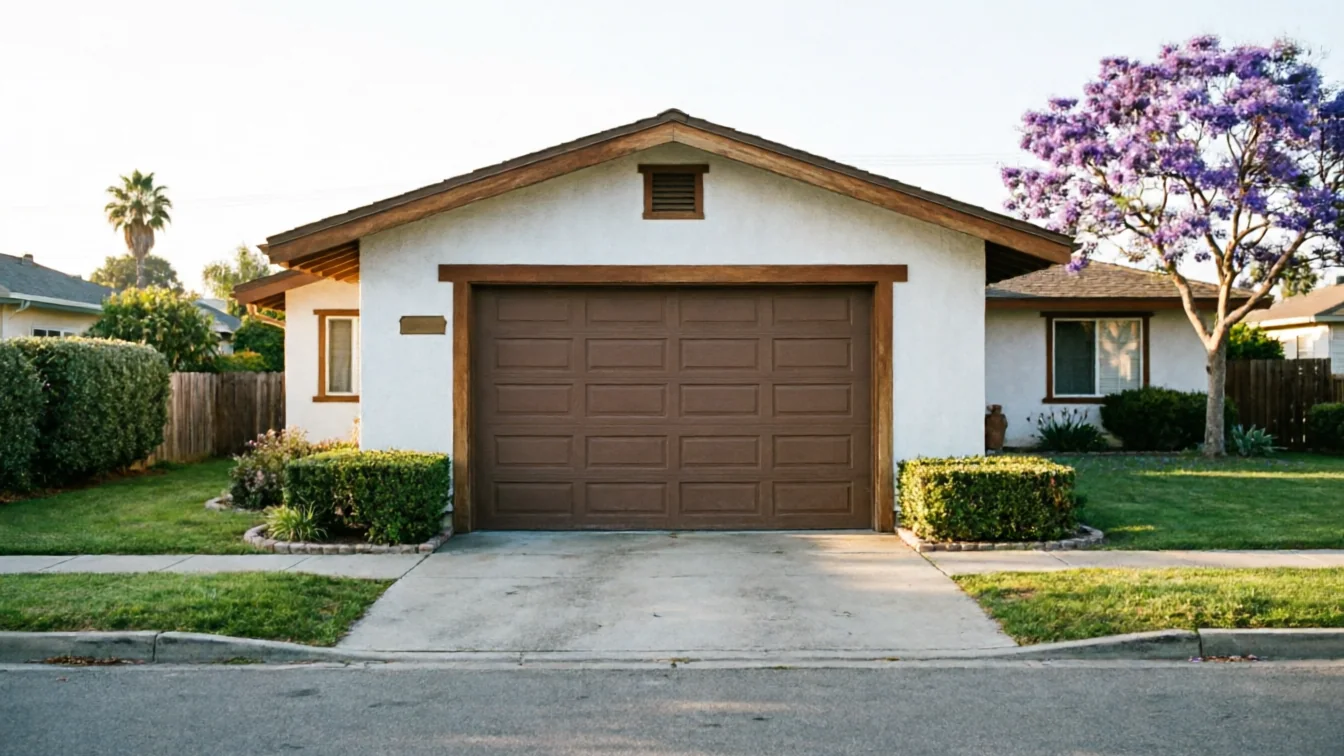 Attached or Detached: The Garage Door Question La Mirada Homes Actually Face
La Mirada's 1960s-70s housing stock split between detached and attached garages.
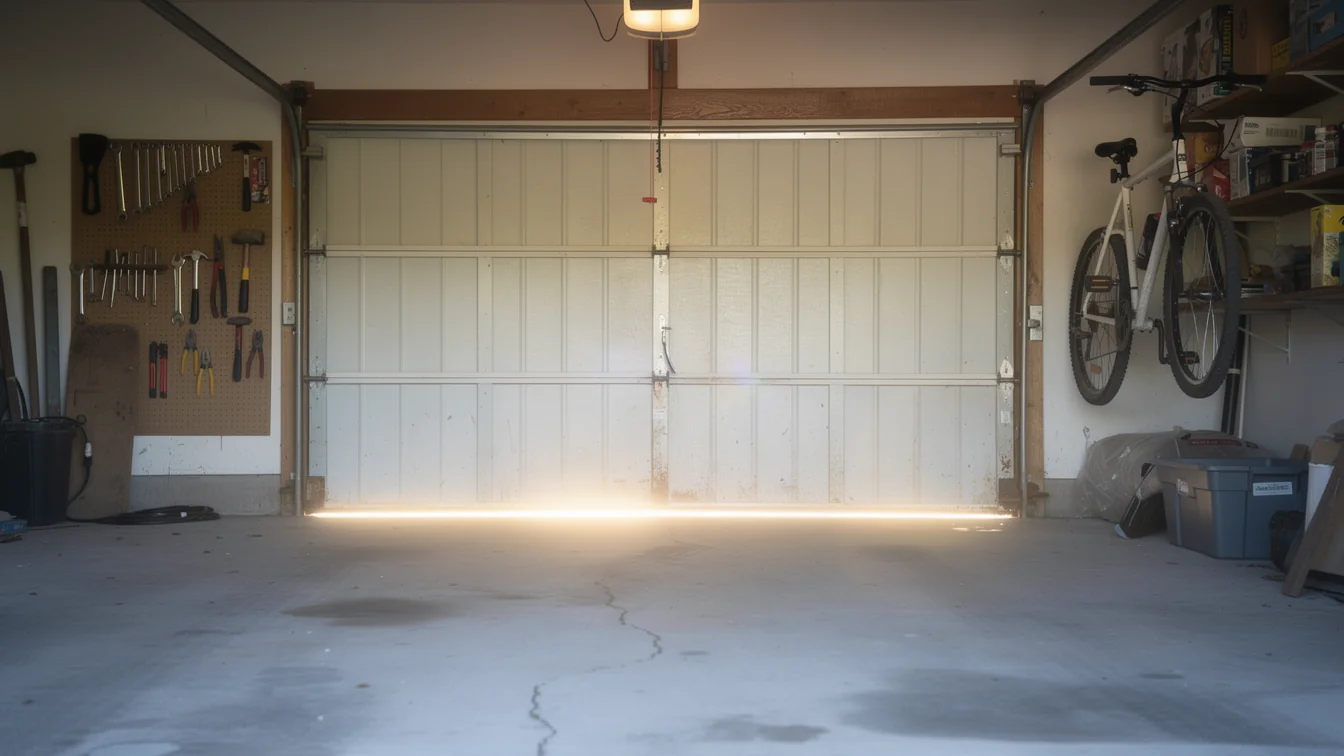 Why Older La Mirada Garage Doors Struggle with Insulation
Most La Mirada garage doors date to the 1960s and 70s, built before insulation rules existed.
Ready when you are
Need a garage door sorted in La Mirada?
La Mirada Garage Door Pros repairs and installs garage doors, springs and openers in La Mirada, CA and the surrounding area.
Certified Experts
Quality Assured