Getting It Booked In
Most installation calls in La Mirada start the same way: a homeowner has already decided the old door is done, and now wants a number and a date.
Rough openings vary
We measure the opening before we quote anything, because a lot of the tract homes here were framed between the early 1960s and the 1970s, and the rough opening on those garages doesn't always match the nominal size stamped on a new door's box.
Measuring before install day
We'd rather spend ten extra minutes with a tape measure than show up on install day with a door that needs trimming or shimming to fit. Once we've got real measurements, we schedule the install and haul out the old door, track, and springs as part of the job.
Framing work upfront
If the opening needs framing work - which happens more often than you'd think on houses from this era - we'll tell you before the install date, not after the old door is already off the hinges. That's the one limitation worth saying up front: if your framing is out of square or rotted at the jamb, that's a separate repair, not something we fold into a standard install quote.
Why This Fails Locally
La Mirada's housing stock runs from 1943 up through 2012, but the bulk of it - like most of the surrounding area out to places such as East Whittier and South Whittier - was built in the 1960s and 70s. Doors from that era were often installed with steel that's thinner by today's standard, minimal insulation, and hardware sized for openers that didn't exist yet. Thirty, forty, fifty years on, a lot of these original or first-replacement doors are still technically functional but out of spec for a modern opener's lift capacity.
The mild temperate climate here doesn't put the kind of stress on a door that you'd see from heavy freeze-thaw cycles or extreme heat swings, so these old doors don't fail dramatically - no cracked panels from a hard freeze, no warping from triple-digit heat for weeks straight. Instead they fail quietly: springs sized for a lighter, thinner door start working too hard once owners add insulation or a heavier panel, and track that was adequate for the original door starts binding. The climate buys these houses time, but it doesn't buy them forever.
The Symptom
The door that needs full installation, not a repair, usually shows itself one of two ways. Either it's a door from the original 1960s-70s build that's developed enough separate problems - rusted hinges, a bowed panel, a dead opener - that patching each one individually costs more than starting fresh.
Mismatched door, bad fit
Or it's a door that technically opens and closes but is visibly undersized or mismatched for the opening, often from a past repair that used whatever was on hand at the time.
Track can't take upgrades
Homeowners on these older La Mirada lots often notice it when they're pricing out insulation or a quieter opener and find out the existing door and track can't support either upgrade.
Replacement beats patching
That's usually the point where replacement makes more financial sense than another round of patch repairs on a door that's been in the opening since before most current owners bought the house.
What the Fix Involves
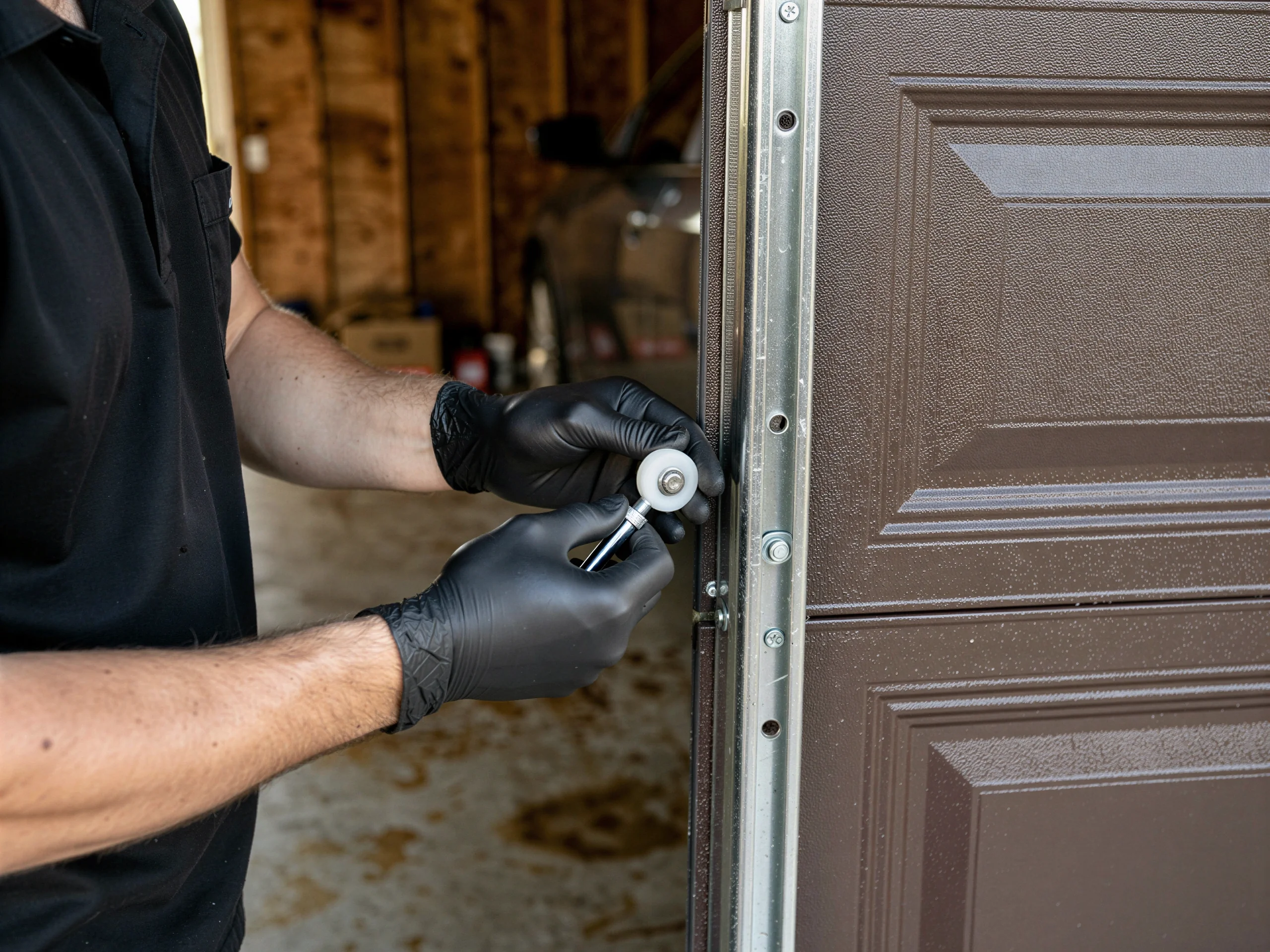
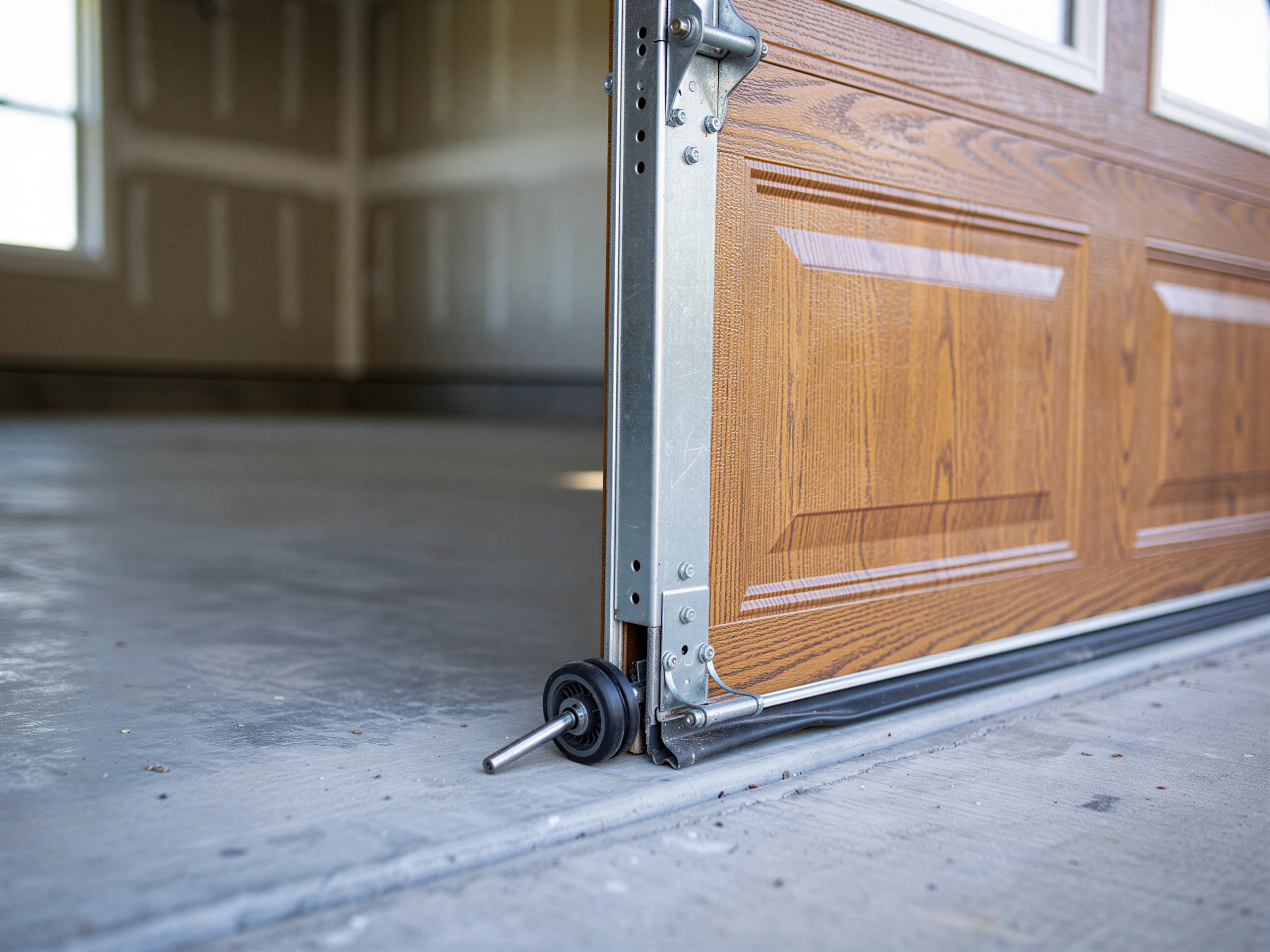
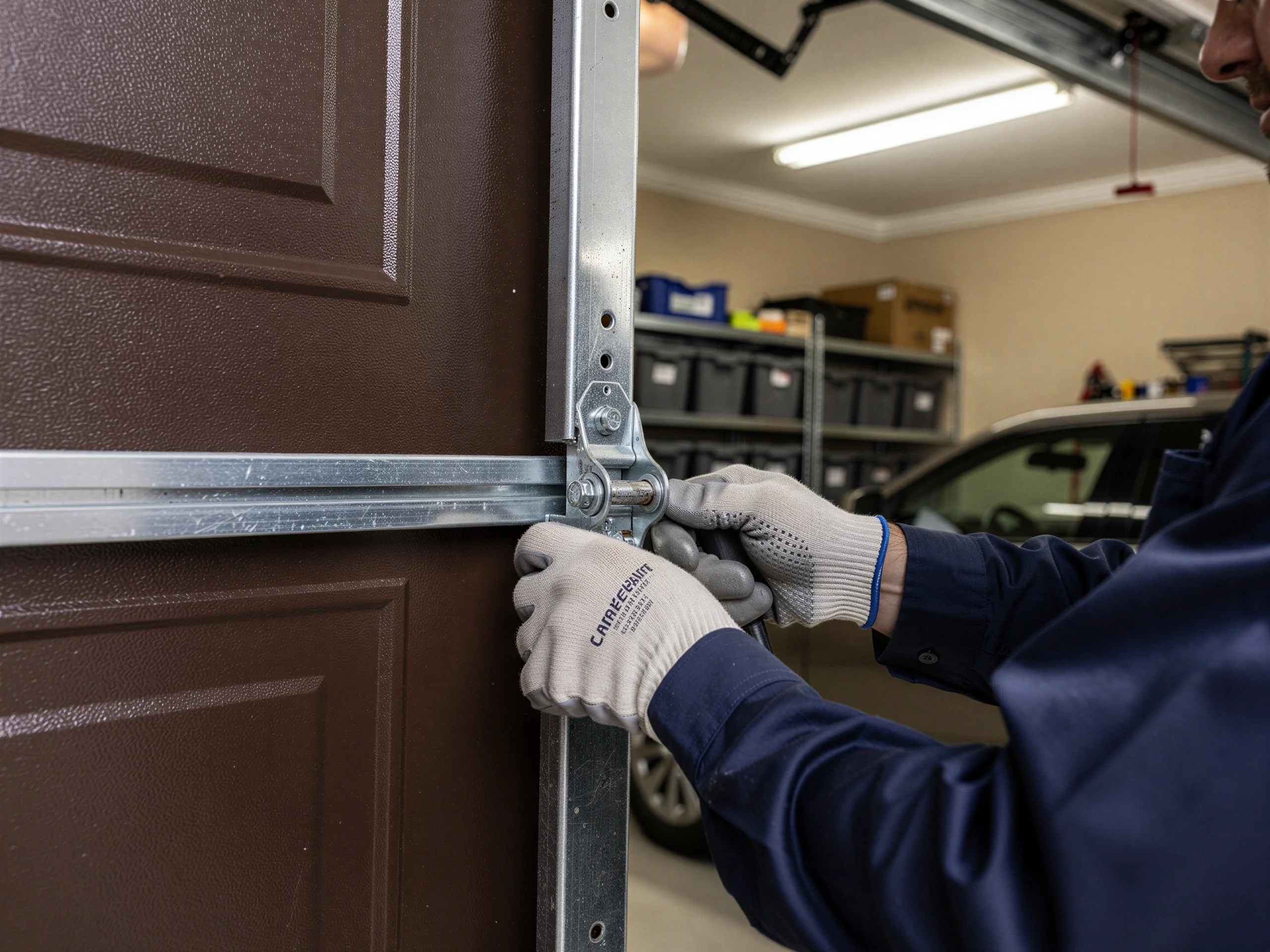
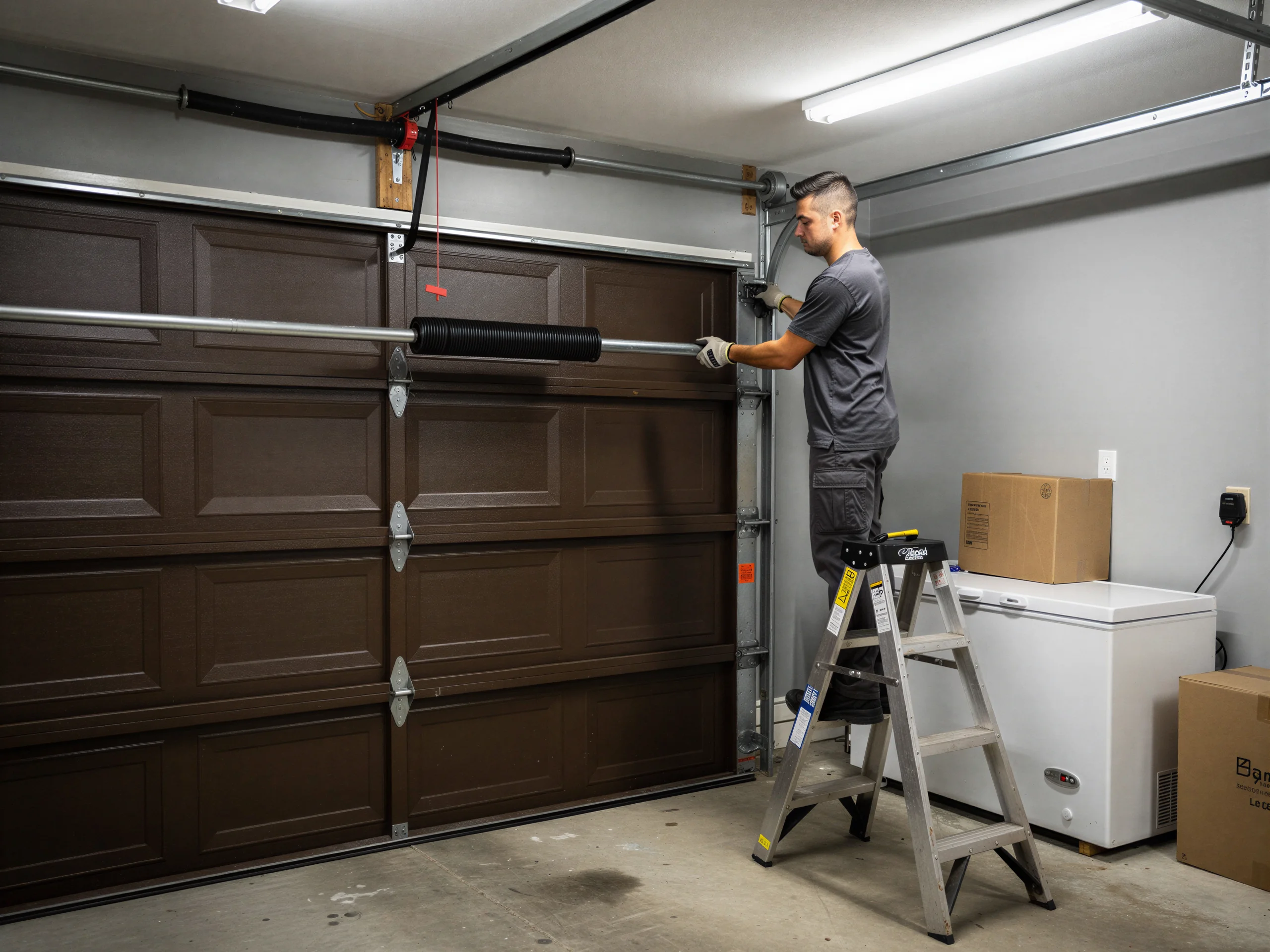
A full installation means removing the old door, track, springs, and cables down to the frame, then setting new vertical track and horizontal rail sized to the actual opening we measured - not just the nominal size of the new door panel.
Spring rated for new door
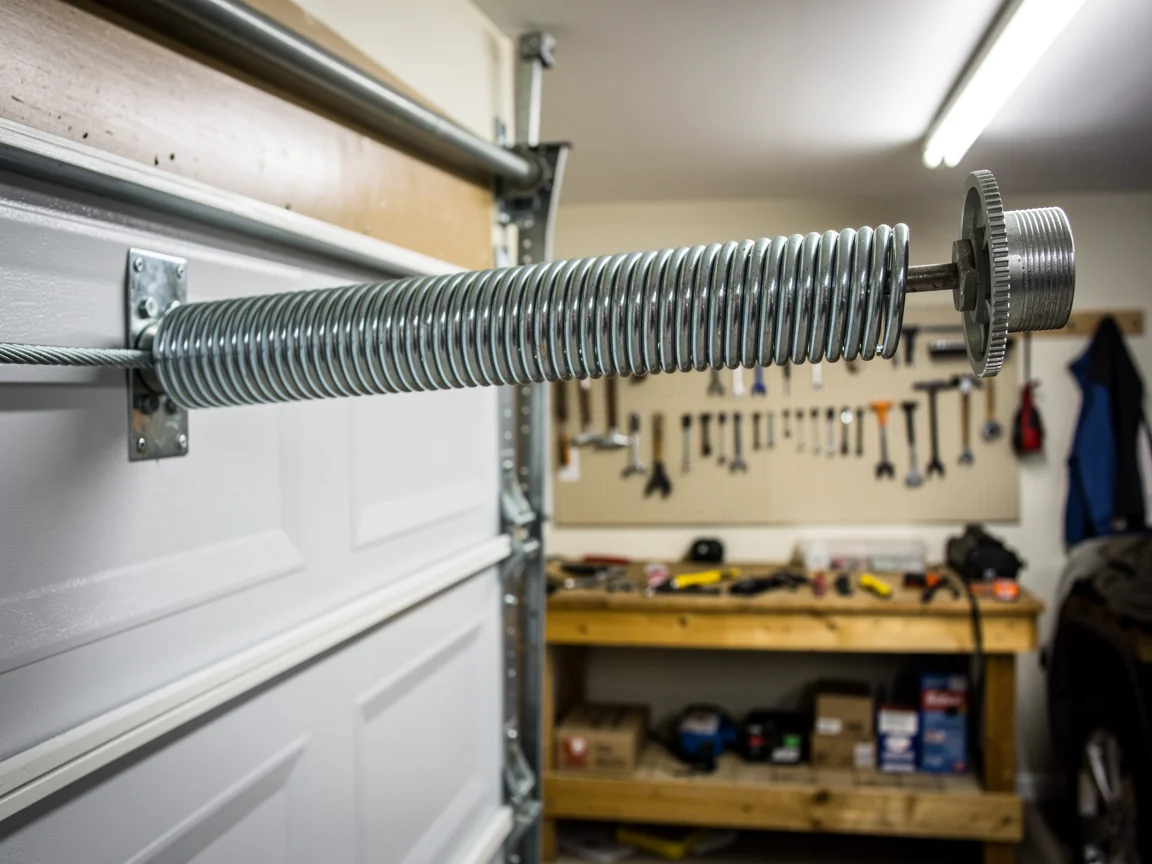
We size the torsion spring to the real weight of the new door, including any added insulation, rather than reusing a spring rated for the old lighter panel.
No extra weatherproofing needed
Because La Mirada's climate is mild rather than extreme, we're not building in the kind of weatherproofing margin you'd need for a freeze-prone region - no heated cable concerns, no need to over-spec for ice load. That keeps the hardware list simpler and the install more predictable.
Opener force retested
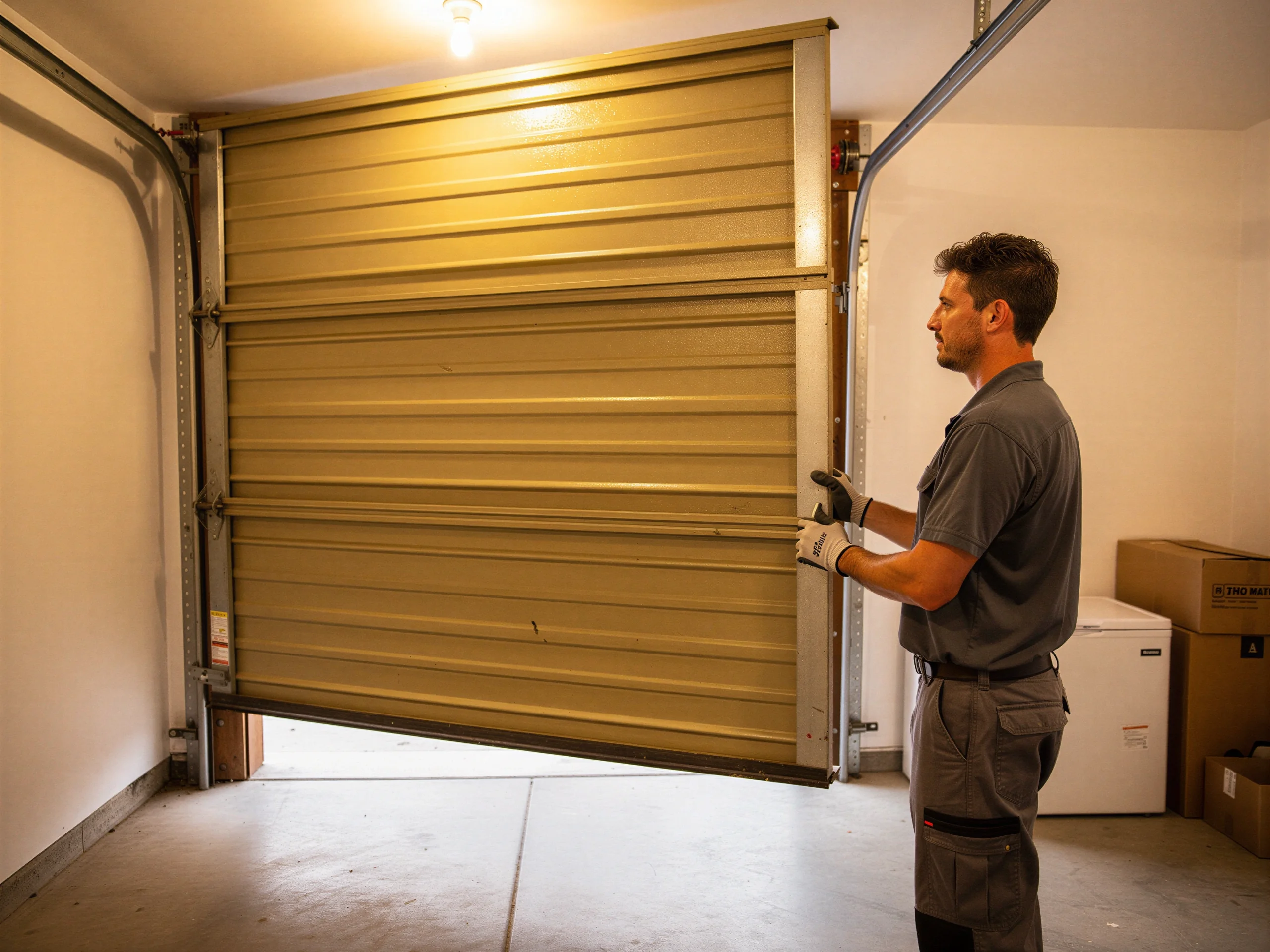
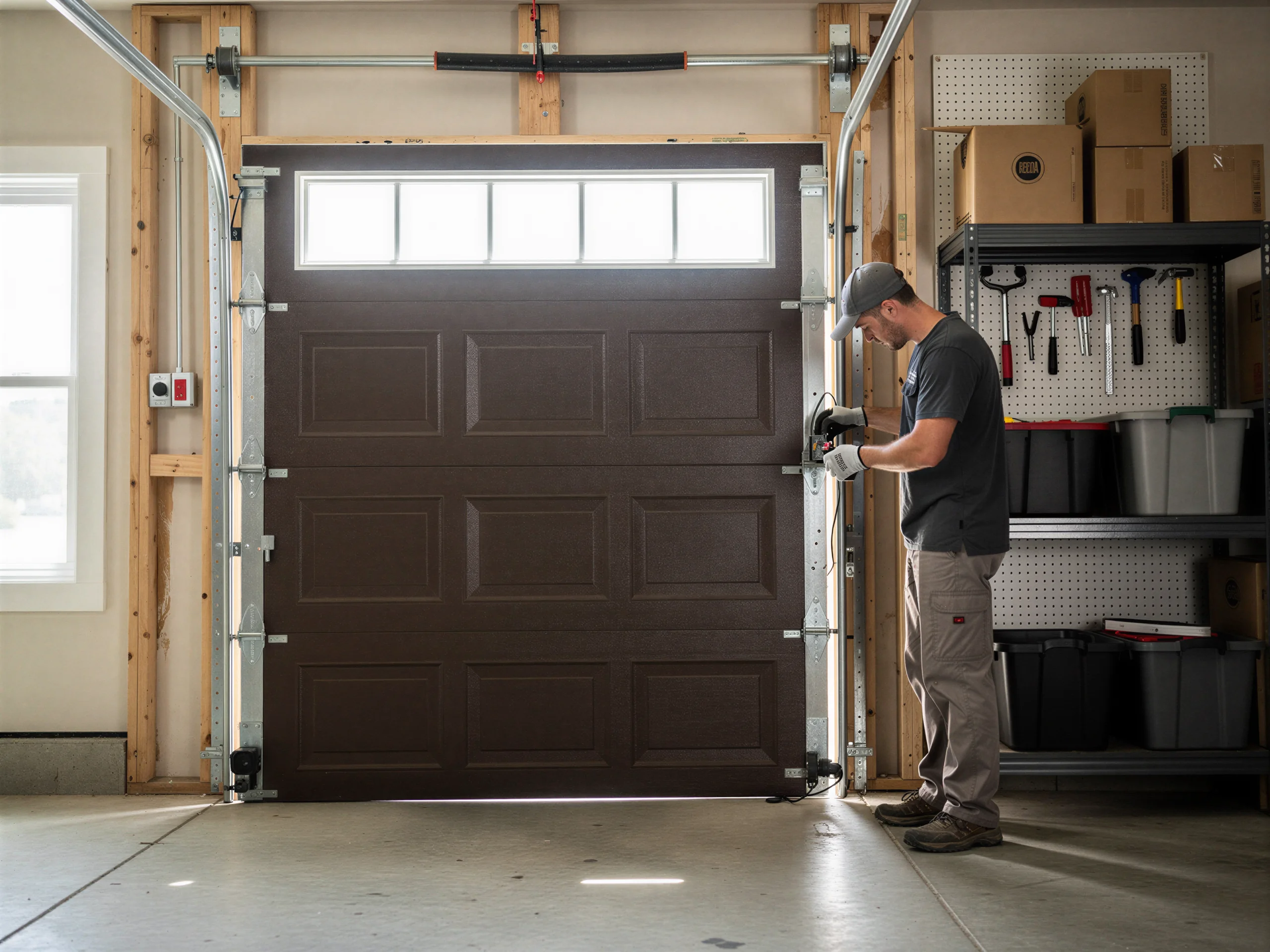
Once the new door is hung and balanced, we test the opener's force settings against the new door's actual weight, since a setting carried over from the old door is one of the more common reasons a brand-new installation starts dragging or reversing within the first few months.
Talk to a local pro
Garage door service in La Mirada?
Same-day service with honest, upfront quotes.