Getting It Booked In
Call in and tell us what the door is doing - grinding, reversing, stuck halfway, or just loud. That one detail usually tells us whether we're bringing a spring kit, a roller set, or a diagnostic kit for the opener board.
Tract-home preparation
We book the visit around that, not around a generic "garage door tune-up. Most of the homes we're dispatched to sit in tract-built neighborhoods going up in the 1960s and 70s, so a tech coming to your address already has a good guess at what's original versus what's been swapped out by a prior owner.
Sensor knocked out of place
That doesn't replace looking at the door in person, but it means less time standing around guessing once we're there. If you're not sure the door needs a tech at all - sometimes it's just a sensor knocked out of alignment - tell us that too.
Phone fixes before dispatch
We'd rather talk you through a five-minute fix on the phone than roll a truck for nothing. You can see the rest of what we handle on our home page, but this page is specifically about keeping an existing door running, not swapping it for new.
Why This Fails Locally
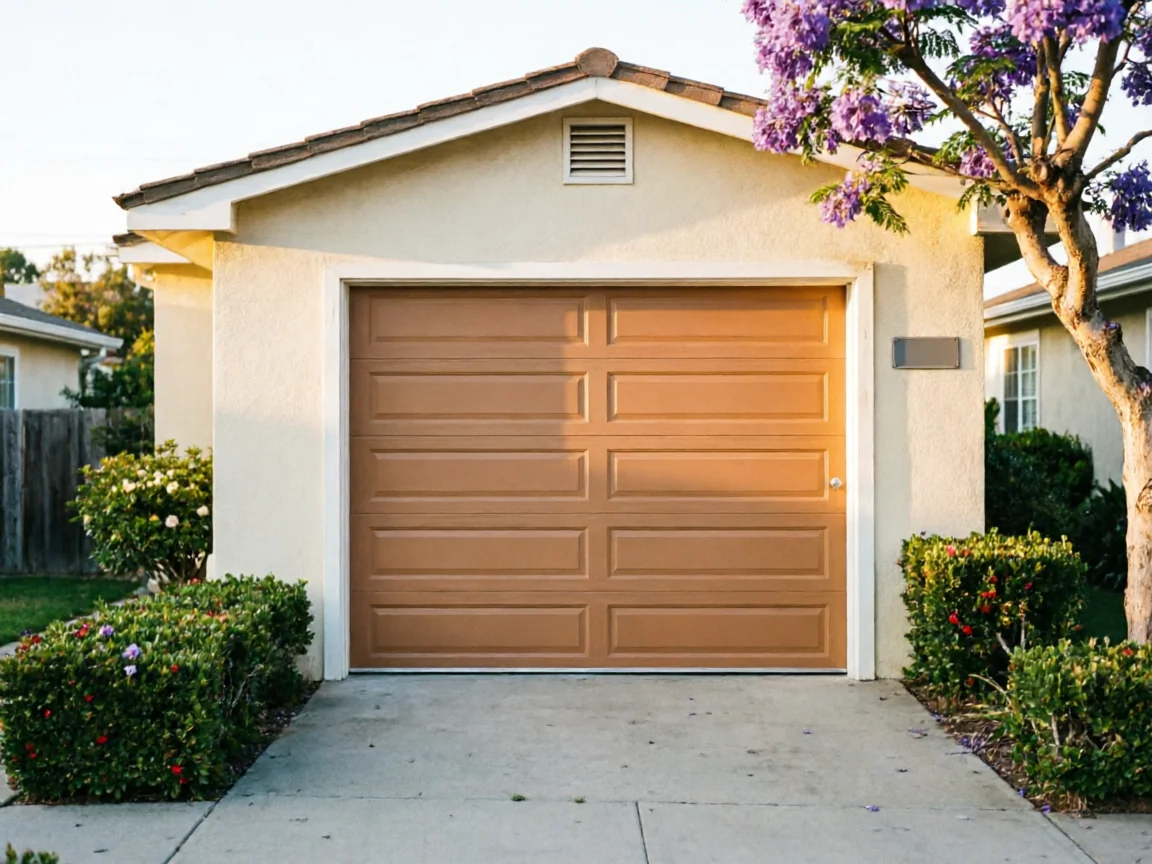
Housing in this part of the county went up mostly between 1960 and 1979, with a median build year of 1964. That's the era when steel sectional doors on torsion or extension spring hardware became the standard install, and a lot of those original springs and tracks are still hanging in garages that have never had them touched.
A torsion spring is rated for a set number of open-close cycles, not a set number of years, but when the house itself dates to 1964, the math catches up with a lot of owners at once. We're not dealing with a weather event here - this area sits in a mild temperate band, so you don't get the freeze-thaw cracking or flash-rust that wrecks hardware in colder, wetter climates. What you get instead is slow work-hardening: the same spring flexing tens of thousands of times over five decades until the metal fatigues and lets go, often without warning.
Rollers fail the same way - not from rust, but from UV exposure baking the nylon brittle over years of direct sun on a west-facing garage. It's wear, not weather, and that's the distinction that matters when you're deciding whether to fix one part or replace the whole assembly.
The Symptom
The most common call we get fits a pattern: the door is noticeably louder than it used to be, it hesitates or jerks partway through the cycle, and sometimes it reverses on its own with no obstruction in the way.
Lost tension, binding rollers
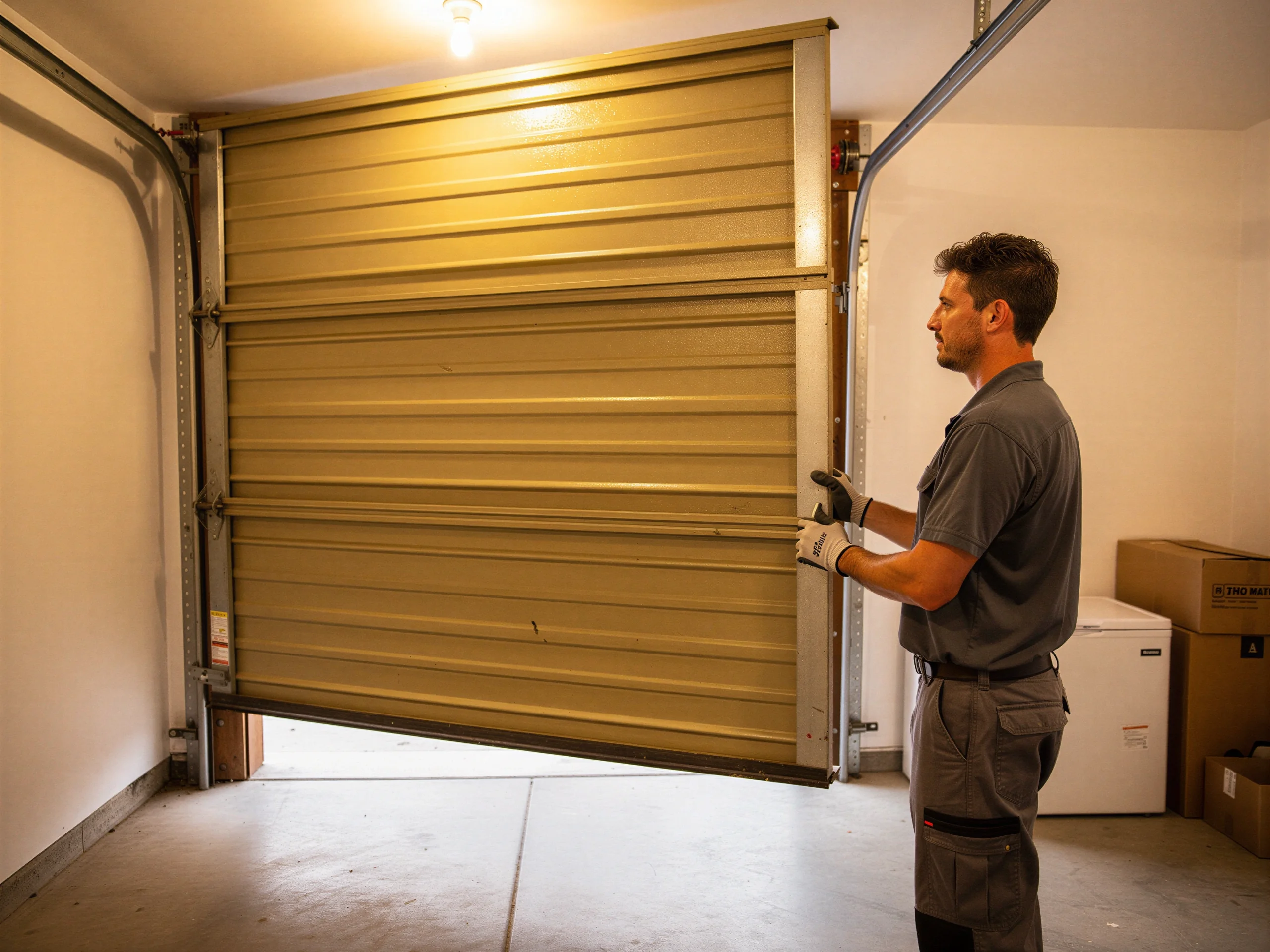
That combination almost always points to a spring that's lost tension or rollers that have worn down enough to bind in the track. A second common pattern is a door that opens fine but won't fully close, or closes crooked - one side dropping faster than the other.
One-side cable wear
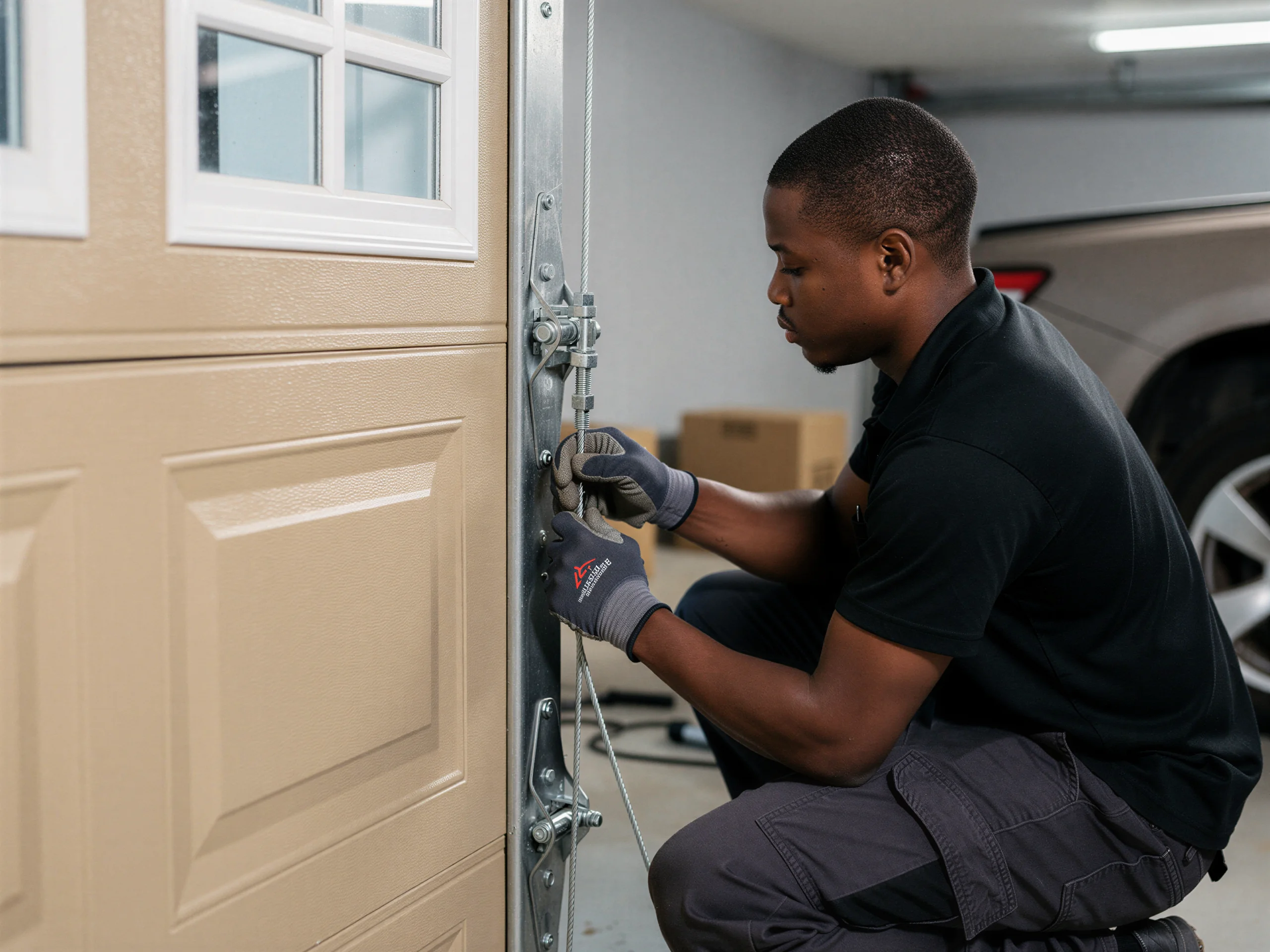
That's usually cable wear on one side rather than the opener itself, and it's worth having looked at quickly, because a door hanging unevenly puts more strain on the remaining hardware and can bend the track. Less common but still something we see: an opener that runs but the door barely moves.
Motor doing spring's job
On older torsion setups that's frequently the spring doing none of the work it's supposed to, leaving the opener motor to lift the full weight of the door alone - which is hard on the motor and not what it's built for.
What the Fix Involves
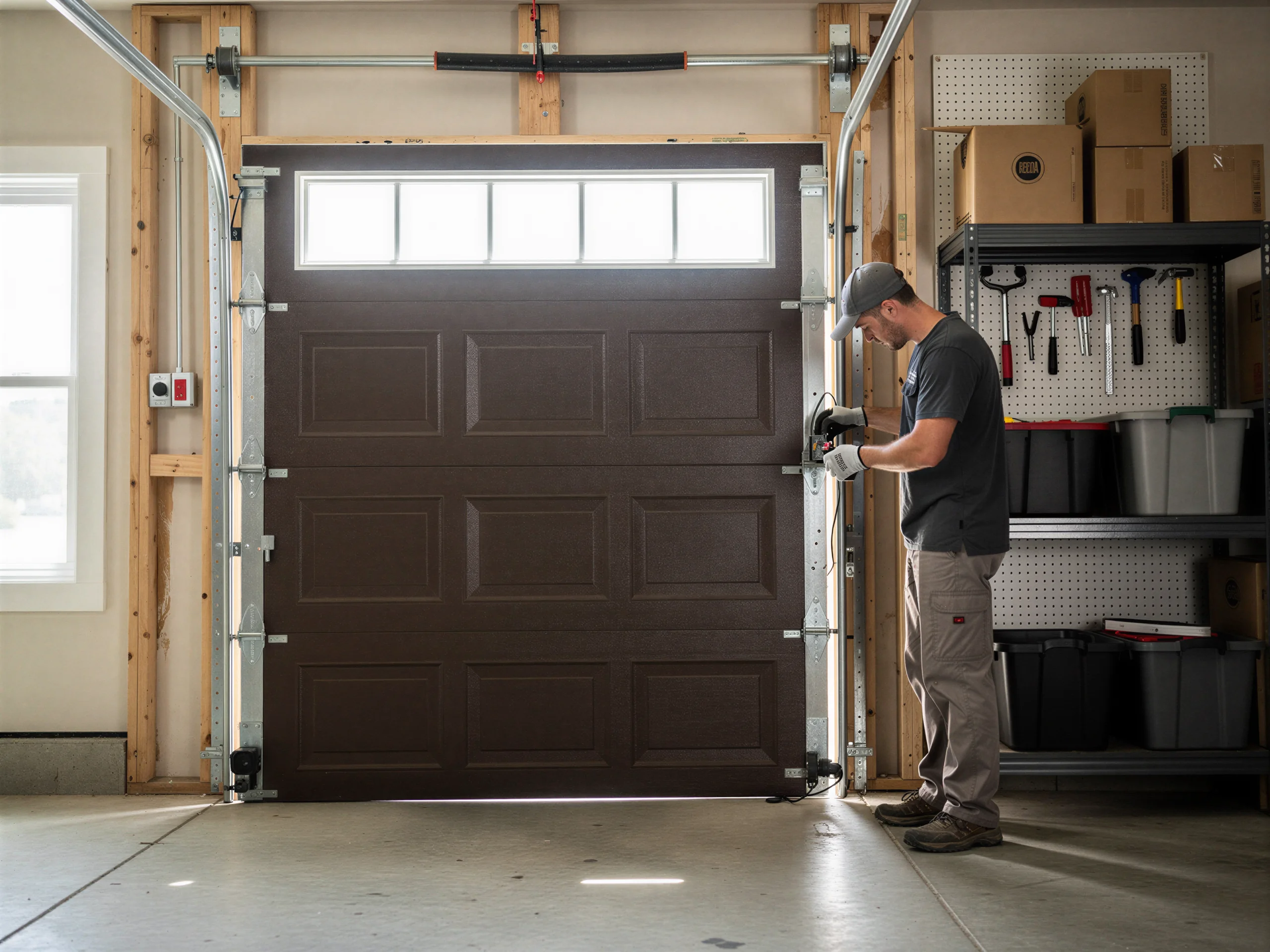
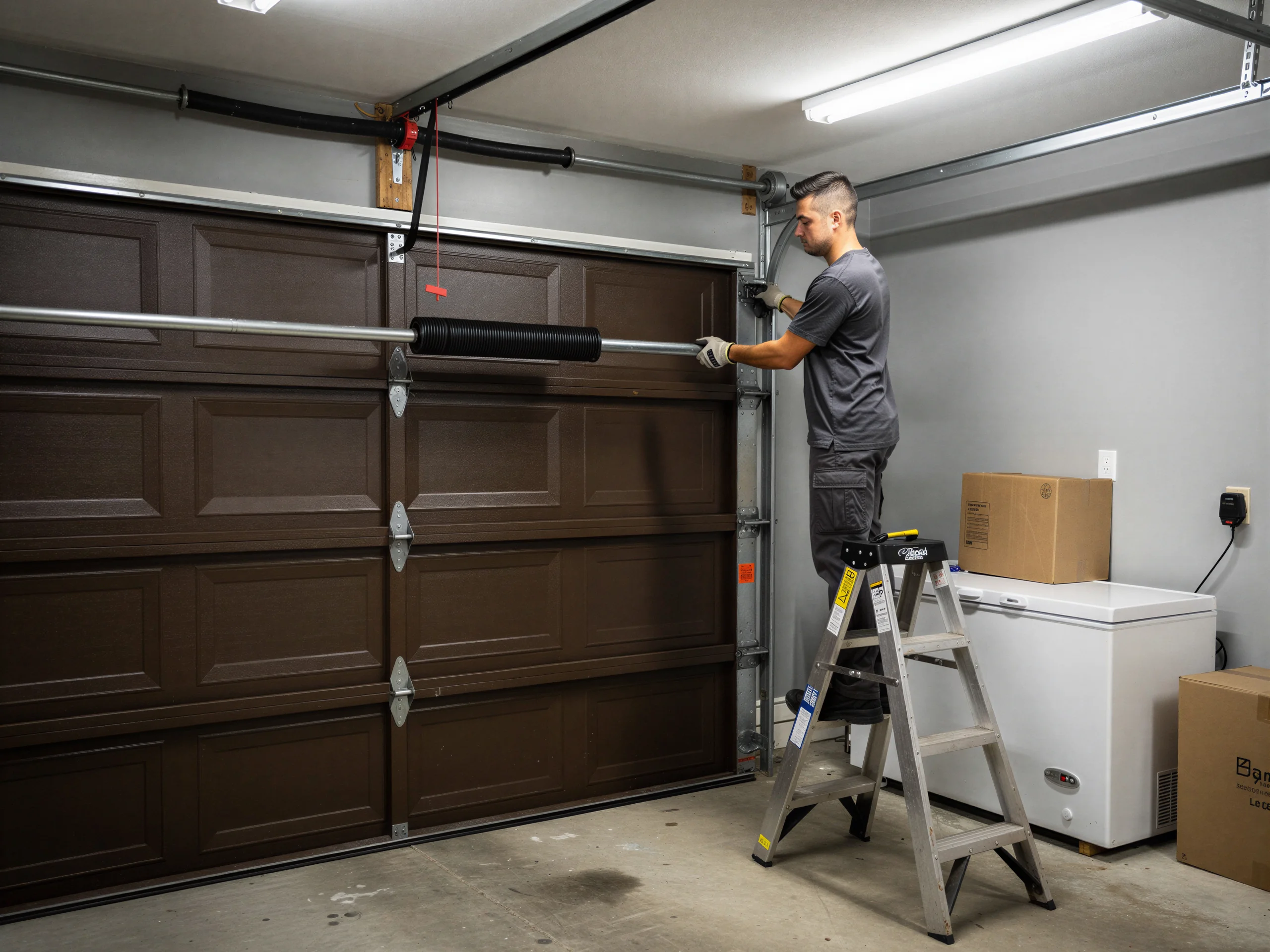
For a spring, we match the wire gauge and wind to the door's weight and the drum size on your shaft, not just swap in whatever's closest.
Mismatched spring wears fast
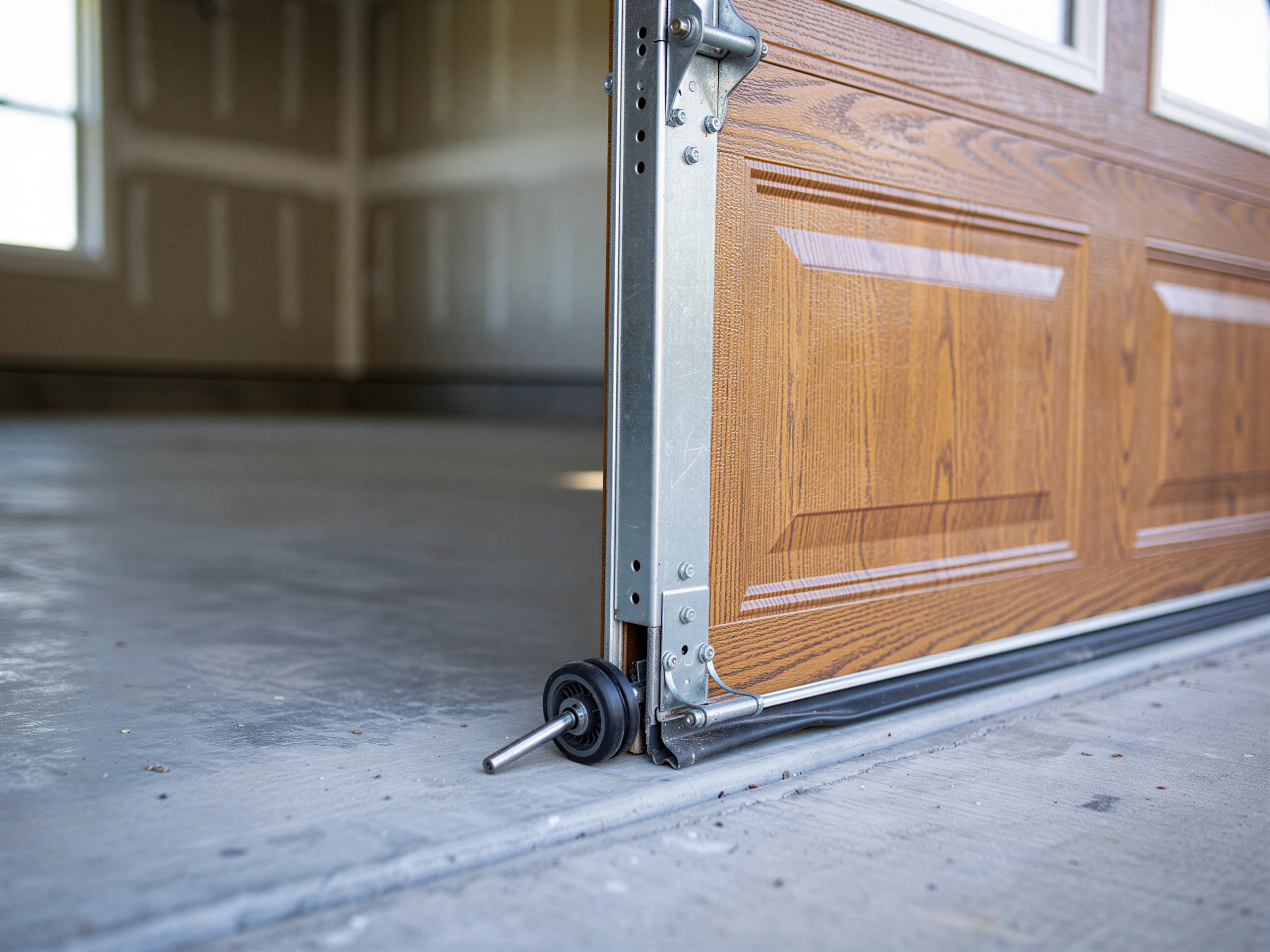
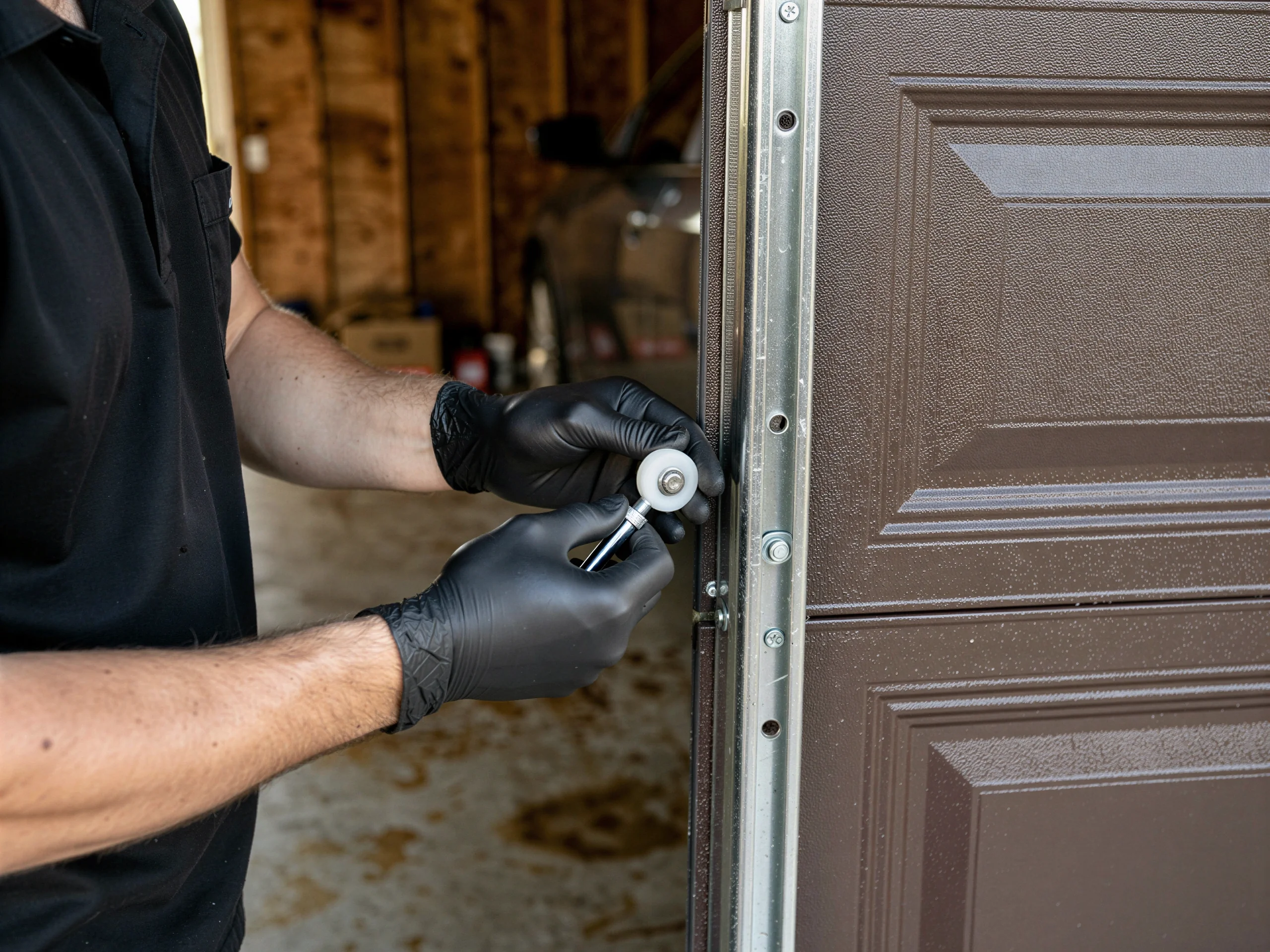
A mismatched spring either won't lift the door properly or wears out again fast. Rollers get replaced as a set, not one at a time, since mixing old and new rollers just moves the noise and wear to whichever one is left original.
Shimming versus full replacement
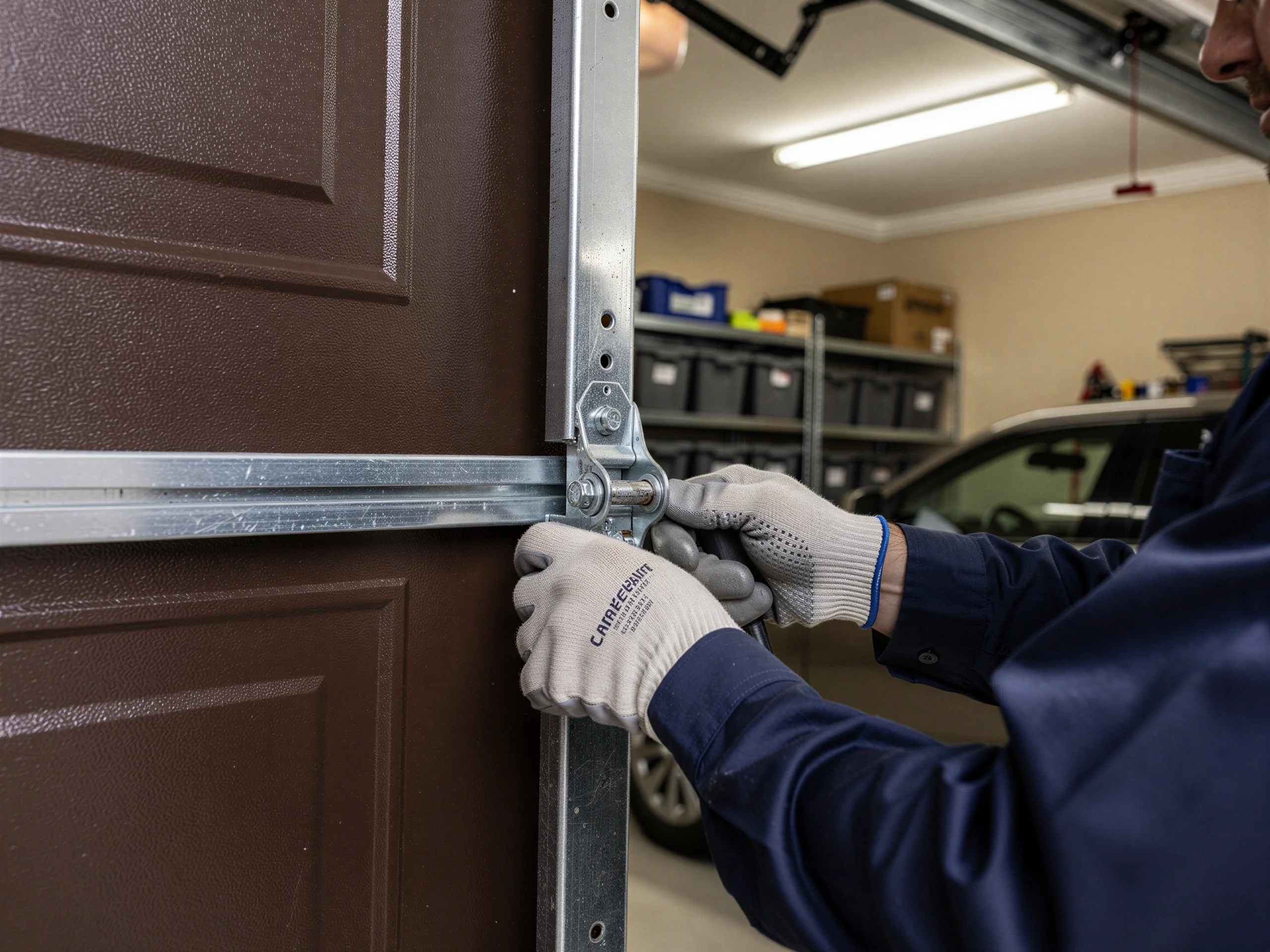
Track realignment is usually a shim-and-tighten job on the existing brackets, not a full track replacement, unless the metal itself is bent or the holes have worn oval from years of flex - at that point patching it isn't worth doing twice.
Discontinued hardware matches
Here's the honest part: if your door is an original one-piece or early sectional with hardware that isn't made anymore, we may need a special order, which can add a few days. We'll tell you straight whether it's worth waiting on the original-style part or whether a standard spring does the job for less.
Talk to a local pro
Garage door service in La Mirada?
Same-day service with honest, upfront quotes.