 Why Your La Mirada Garage Door Still Lets the Draught In
Most La Mirada garage doors date to the 1960s and 70s, with original seals long past useful life.
Why Older La Mirada Garage Doors Struggle with Insulation
Most La Mirada garage doors date to the 1960s and 70s, built before insulation rules existed. Here's what that means for your panels, seals, and opener.
Local detail
What Is Going On
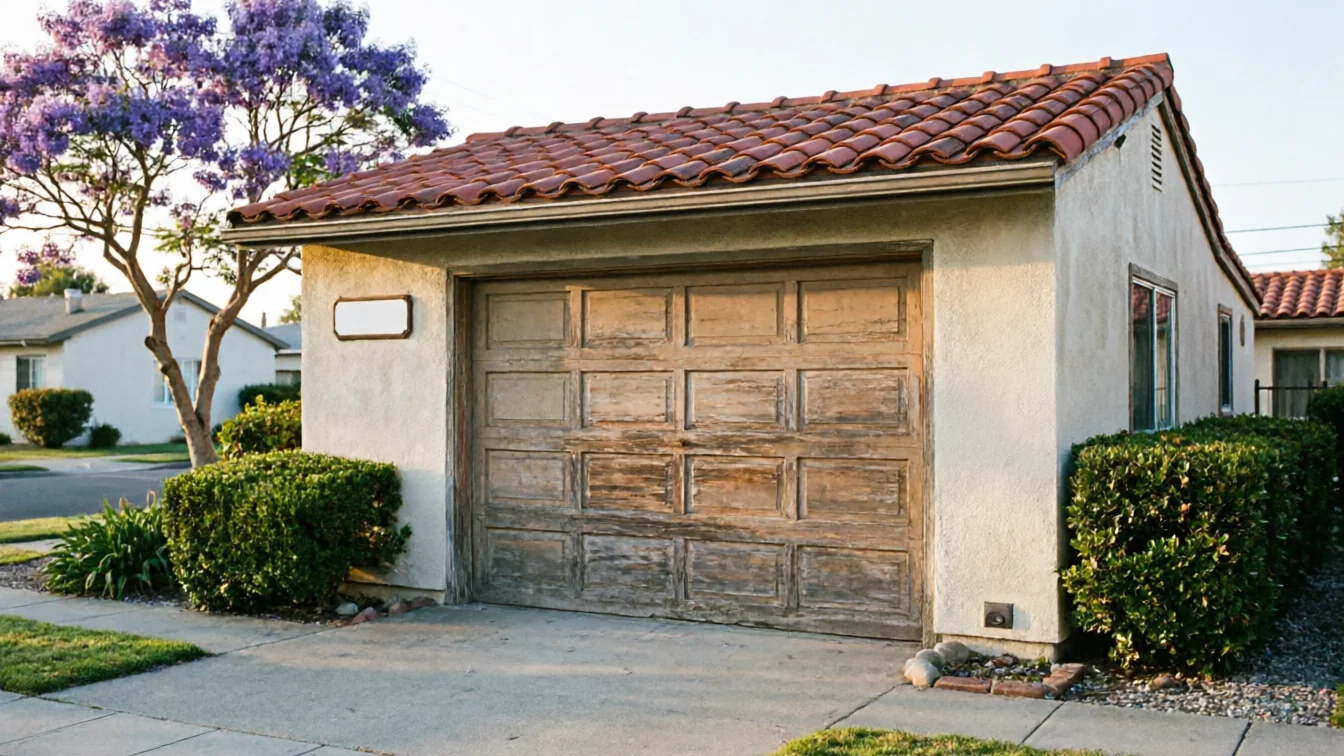
La Mirada's housing stock runs from 1943 to 2012, but the median year built is 1964, and most of the neighborhoods here are solid 1960s and 70s construction. That matters for garage doors more than people think. Doors on houses built before insulation rules went into effect are usually single-layer steel or old wood panel doors with no foam core and no thermal break at the frame. They were built to keep rain and dust out, not to hold temperature. If your door feels cold to the touch in winter or the garage runs noticeably hotter than the rest of the house in summer, that is not a malfunction. That is the door doing exactly what it was designed to do fifty-plus years ago. The weatherstripping on these older units was also never meant to last this long, and most homeowners have never replaced it because nothing ever stopped working outright. The spring, track, and opener can all be in decent shape while the door itself is still an uninsulated slab from a different era of building codes.
The area
Where People Go Wrong
The most common mistake is treating a drafty garage like an opener problem or a spring problem when it is actually a panel problem. People replace rollers, tighten brackets, lube the track, and the garage still feels like an open carport in the shade. None of that touches the actual issue, which is a non-insulated door built to a code standard from decades ago. The second mistake is assuming the whole door needs to go. Sometimes the bottom seal and perimeter weatherstripping are the real gap, and replacing those costs a fraction of a new door. The third mistake, and the expensive one, is paying for a full insulated door replacement on a door whose track and spring are undersized or worn out, then being surprised when the new heavier insulated panel strains the old hardware. Given that La Mirada's housing is concentrated in that mid-century build window, this combination of old door plus old hardware is common enough that it is worth checking both before deciding what actually needs replacing.
What we find
What to Check
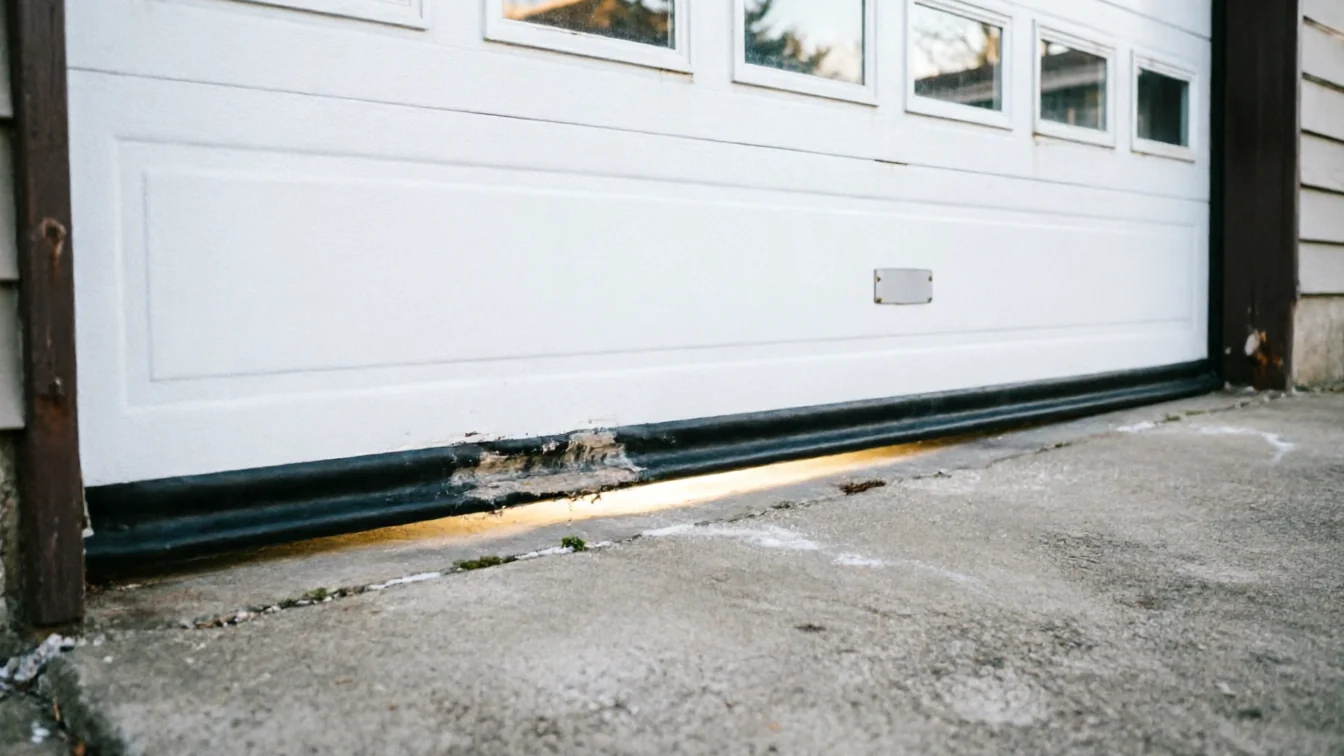
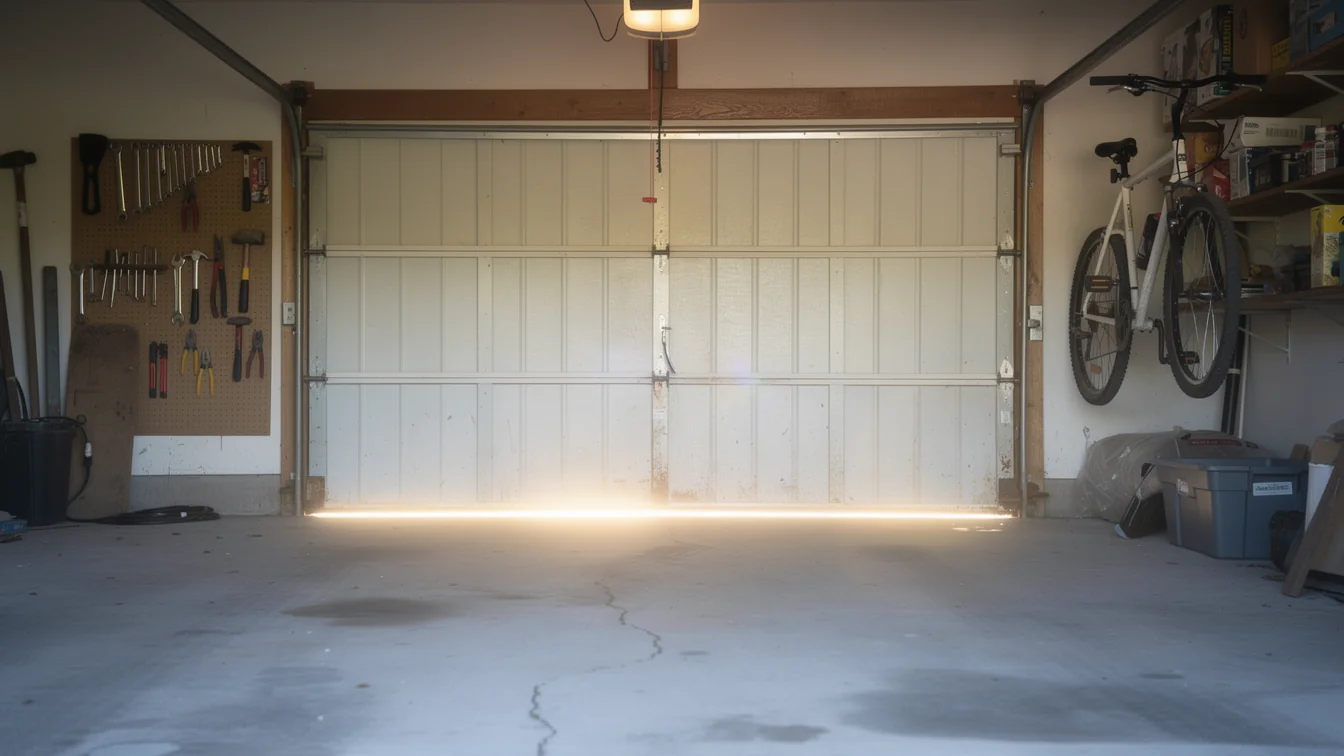
Start by looking at the door material itself. A single layer of steel with no visible foam backing when you look at the inside of the panel is the tell. Second, check the bottom seal and the side weatherstripping for cracking, flattening, or gaps you can see daylight through. Third, put your hand on the inside of the door panel on a mild afternoon. If it is noticeably warmer or colder than the air around it, there is no insulation layer doing any work. Fourth, check the panel seams and the top section near the header for gaps, since older doors in this housing stock often settled slightly over the decades and the fit is no longer tight. None of this requires tools. One honest limitation: we don't do spray-foam retrofits on old panel doors, since foam fill on a door never engineered for it tends to warp the panel over time. If the door itself is the problem, the fix is a new insulated door, not foam injected into an old one.
How we work
How Local Conditions Play In
La Mirada sits in a mild temperate climate band, so this isn't about extreme cold snapping old seals or triple-digit heat warping panels the way it might further inland. The issue here is steadier and less dramatic: consistent day-to-night temperature swings over fifty-plus years slowly degrade old weatherstripping and let a non-insulated door underperform without ever producing a dramatic failure. That's part of why so many homeowners in this area never noticed until they converted the garage into a workspace or started parking a second car that's sensitive to heat. With 1960s and 70s construction making up most of the local stock, and a lot of those original doors still in service, the fix usually isn't exotic. It's matching the door to a mild climate that doesn't demand extreme insulation ratings, while still closing the obvious gaps that fifty years of use opened up.
Questions
Common questions
Is my garage door too old to insulate?
If it's an original steel or wood panel door from the 1960s or 70s with no foam core, it was built before insulation rules existed and can't be retrofitted well. Weatherstripping and seal replacement help, but a true insulated door means replacing the door itself.
Why does my garage feel so much hotter than the house?
Most doors in La Mirada's older homes are single-layer steel with no thermal break, which was standard for the era. They don't hold temperature the way a modern insulated door does, so the garage tracks closer to outdoor conditions than the rest of the house.
Can you just add foam to my existing door?
We don't do spray-foam retrofits on old panel doors. Doors built decades ago weren't engineered to carry that added weight evenly, and the panel can warp. If insulation is the goal, replacing the door is the more reliable fix.
Recommendation
You Might Also Like
More garage door guides for La Mirada homeowners.
Why Your La Mirada Garage Door Still Lets the Draught In
Most La Mirada garage doors date to the 1960s and 70s, with original seals long past useful life.
 Is Your Older La Mirada Garage Door Worth Fixing?
Most La Mirada homes date to the 1960s and 70s.
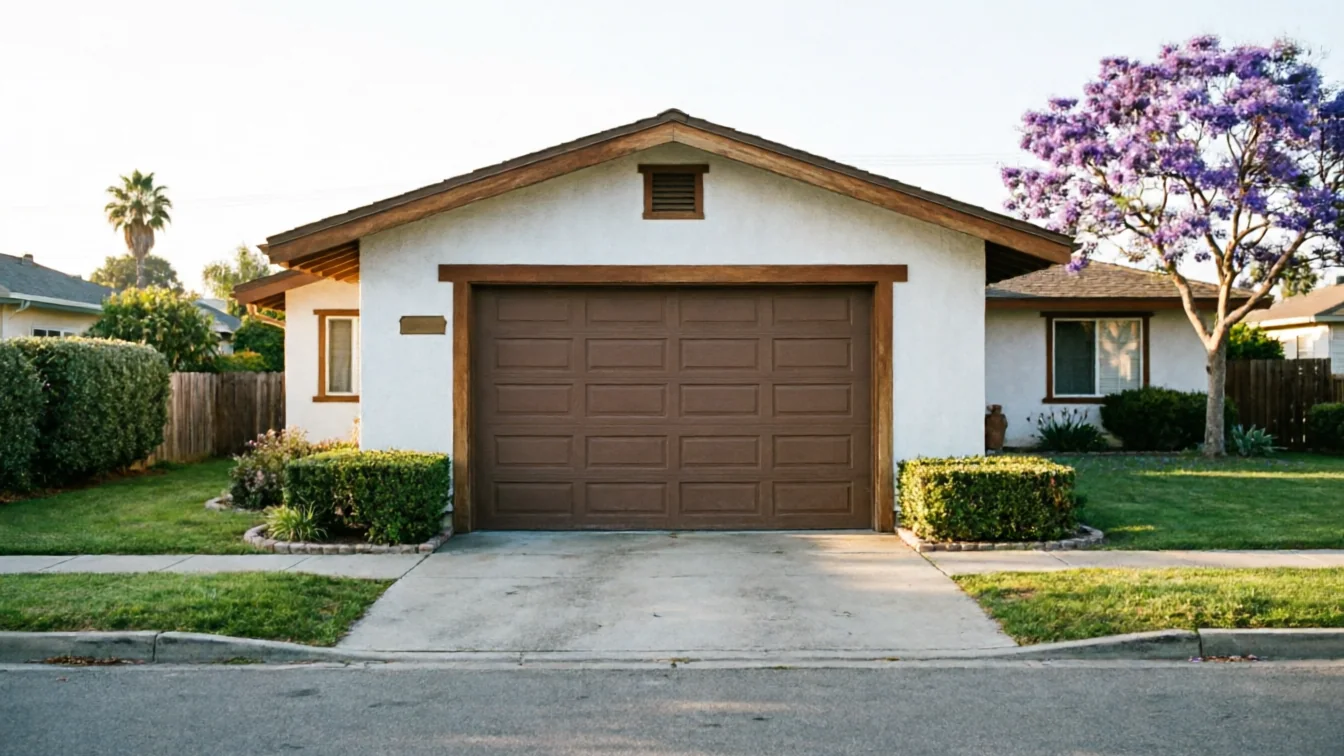 Attached or Detached: The Garage Door Question La Mirada Homes Actually Face
La Mirada's 1960s-70s housing stock split between detached and attached garages.
Ready when you are
Need a garage door sorted in La Mirada?
La Mirada Garage Door Pros repairs and installs garage doors, springs and openers in La Mirada, CA and the surrounding area.
Certified Experts
Quality Assured