Getting It Booked In
Most calls for opener installation here start the same way: the old unit either quit mid-cycle or it's been grinding through its last few months and the owner wants it swapped before it fails on them during a trip.
Intake questions up front
Booking it in is straightforward. We ask a few things up front - the age of the door, whether it's a single or double, and whether the opener is replacing a chain-drive unit on a wood jamb or a newer steel frame.
Brackets matched to era
That tells us which mounting hardware to bring, because across this service area (591,672 households, with 233,429 owner-occupied houses) the housing stock spans 1943 to 2012, and the bracket that fits a 2005 build rarely fits a 1966 one without an adapter plate. We don't install sight-unseen.
Fix door before opener
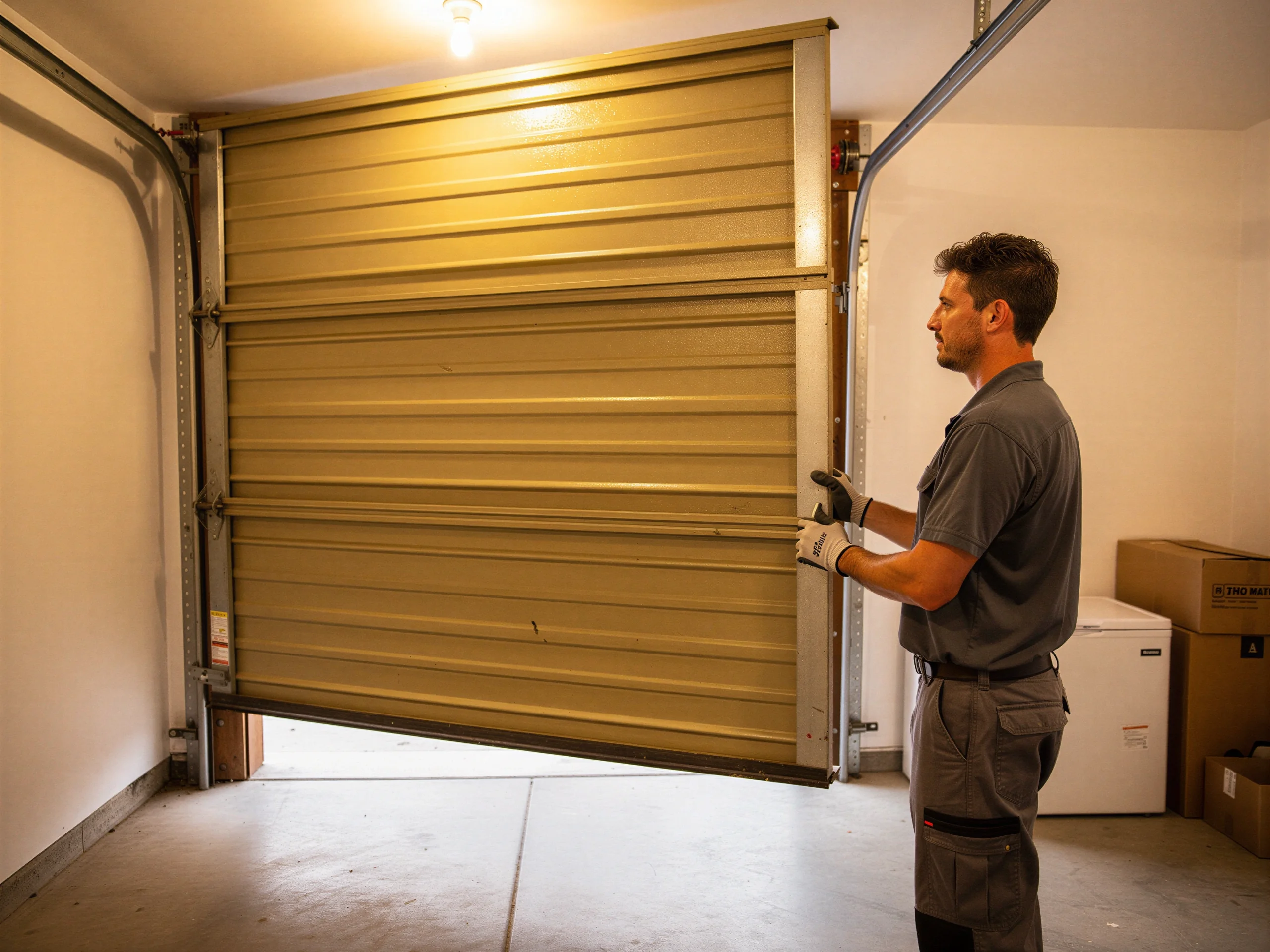
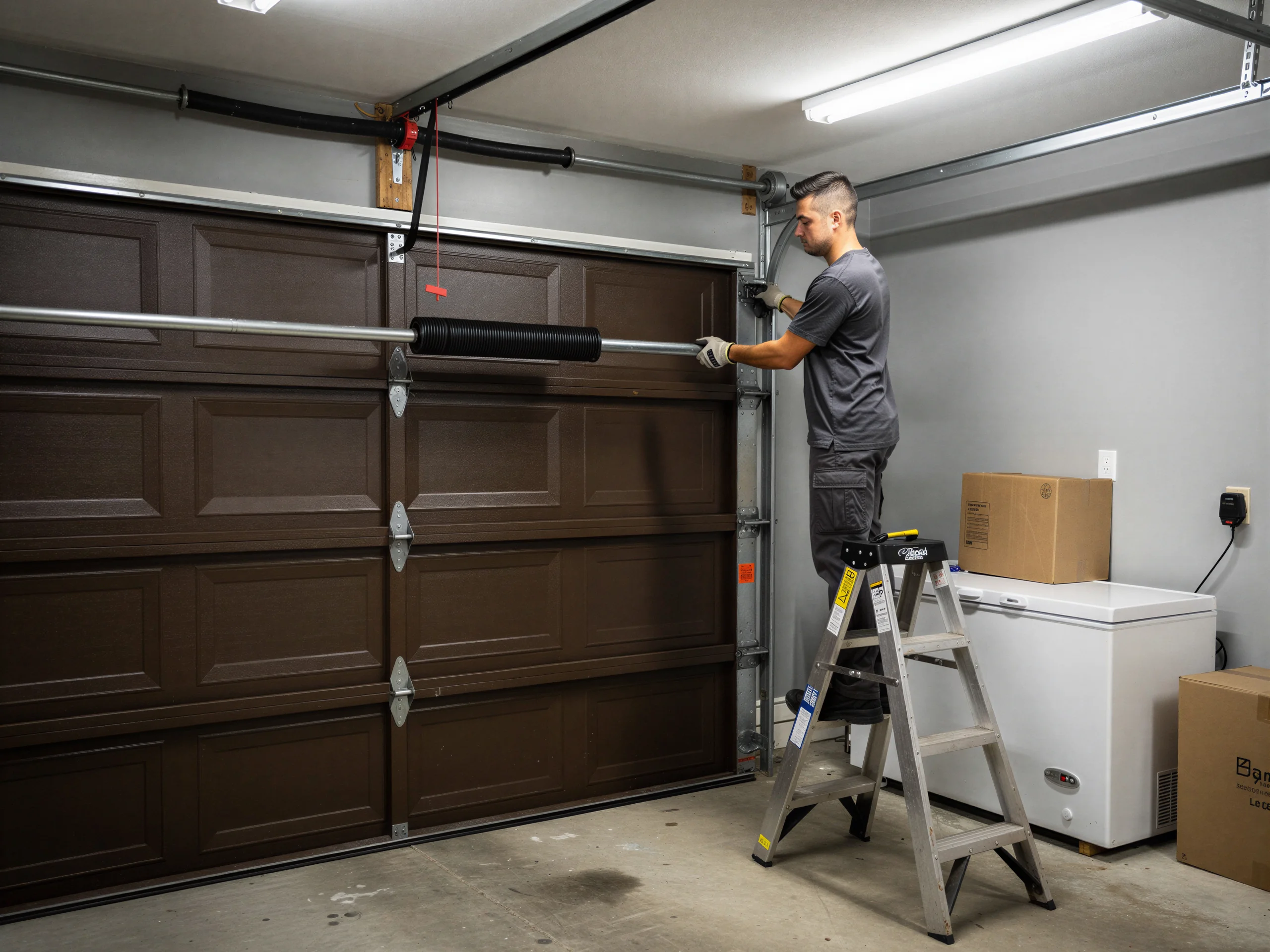
If the door itself is sagging, off its rollers, or the track is bent, we'll say so before we quote the opener, because bolting a new motor to a door that can't travel straight just moves the failure point. That's the one limitation worth saying plainly: an opener swap is not a door fix, and if your panels or torsion spring are the real problem, we'll tell you instead of selling you a motor that won't solve it.
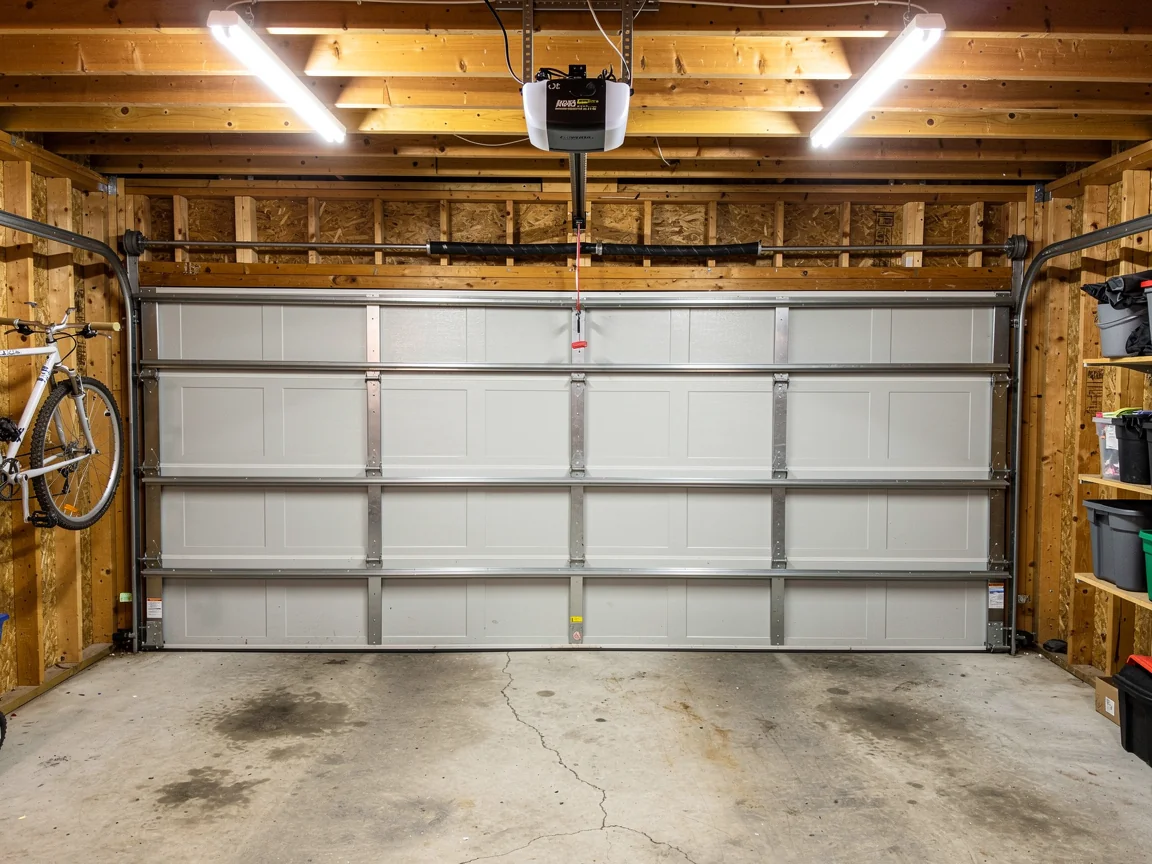
Why This Fails Locally
The median year built across this area is 1964, and most of the 65 named communities we work in carry that same 1960s-70s stock. Openers from that era - and even a lot of the mid-2000s replacements - were sized and geared for lighter doors and lower-cycle use than what a household runs today. Add a mild temperate climate with no hard freeze and no real humidity swing, and you'd think hardware would last forever. It doesn't, because the failure here isn't weather damage, it's cycle count on aging gear sets and drive belts that were never built for daily two-car use decades past their design life.
That combination - older housing stock, steady mild conditions, heavy daily cycling - means openers in this area tend to fail from worn internal gears and stripped drive components rather than rust or storm damage. It's a slow failure, not a sudden one, which is why so many owners call us only after months of grinding noise or a door that reverses halfway up.
The Symptom
The pattern we see most: the door starts reversing before it fully closes, or it closes most of the way and then creeps back up.
Stripped drive gear
Sometimes it's a motor that hums but the door doesn't move at all - that's usually a stripped drive gear, a common failure point in chain and screw-drive units that have been running since the 1980s or 90s on these older builds. Other times the opener runs fine but the remote range has dropped to almost nothing, which points to a dying logic board rather than anything mechanical.
Repair-first mindset
A household income median of $95,385 across the service area means a lot of owners here default to repair-first thinking, which is reasonable - but once a unit is grinding gears or the circuit board is failing intermittently, patching it usually buys a few months at best.
Honest repair-or-replace call
We'll always tell you straight whether a repair makes sense or whether you're better off putting that money toward a new unit that matches the door's actual weight and daily use.
What the Fix Involves
A proper opener installation starts with matching horsepower and drive type to the door - a heavier double door on older torsion hardware needs more lift capacity than a lighter single, and guessing wrong is how you end up back here in two years.
Hand-set travel limits
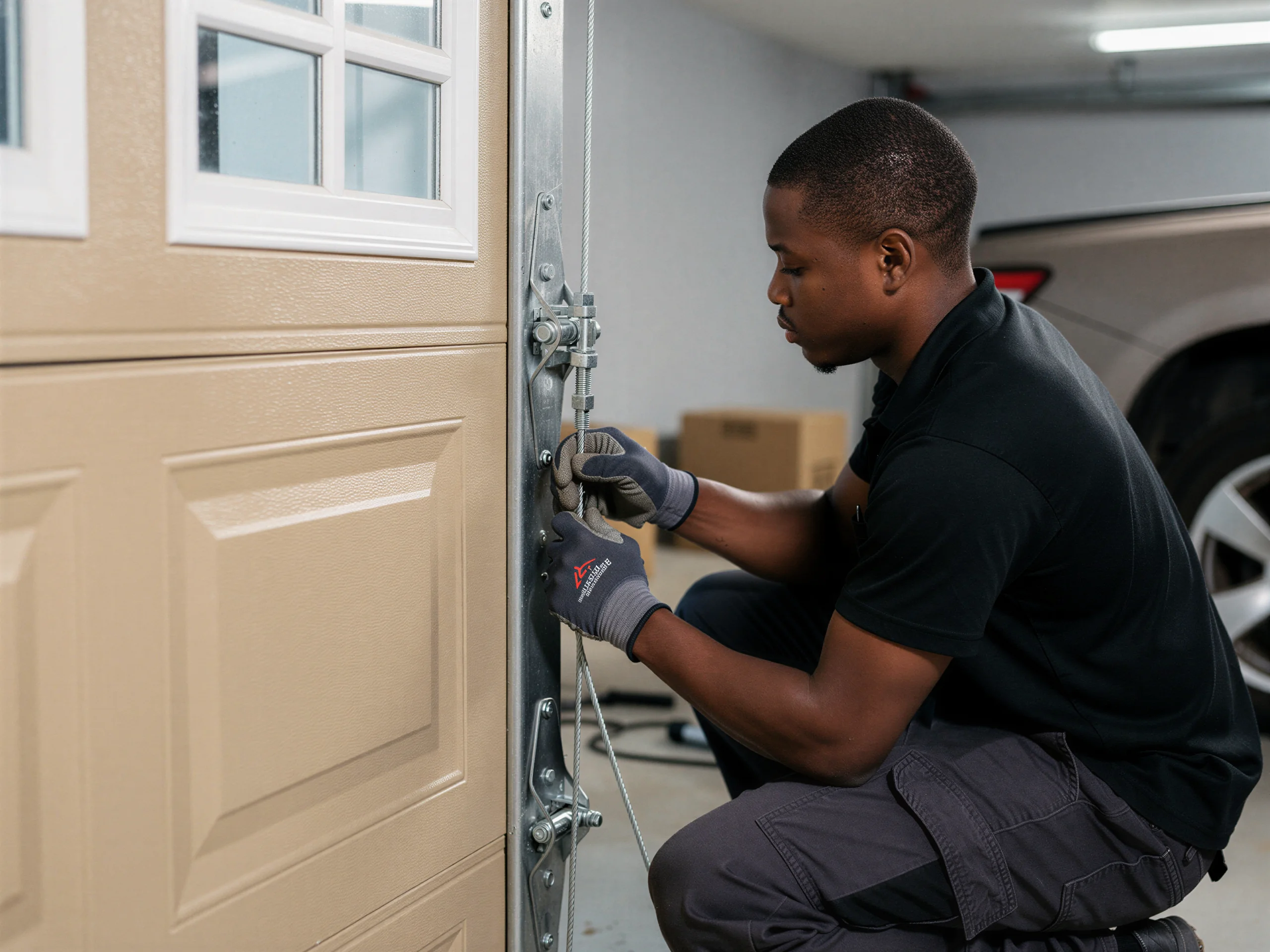
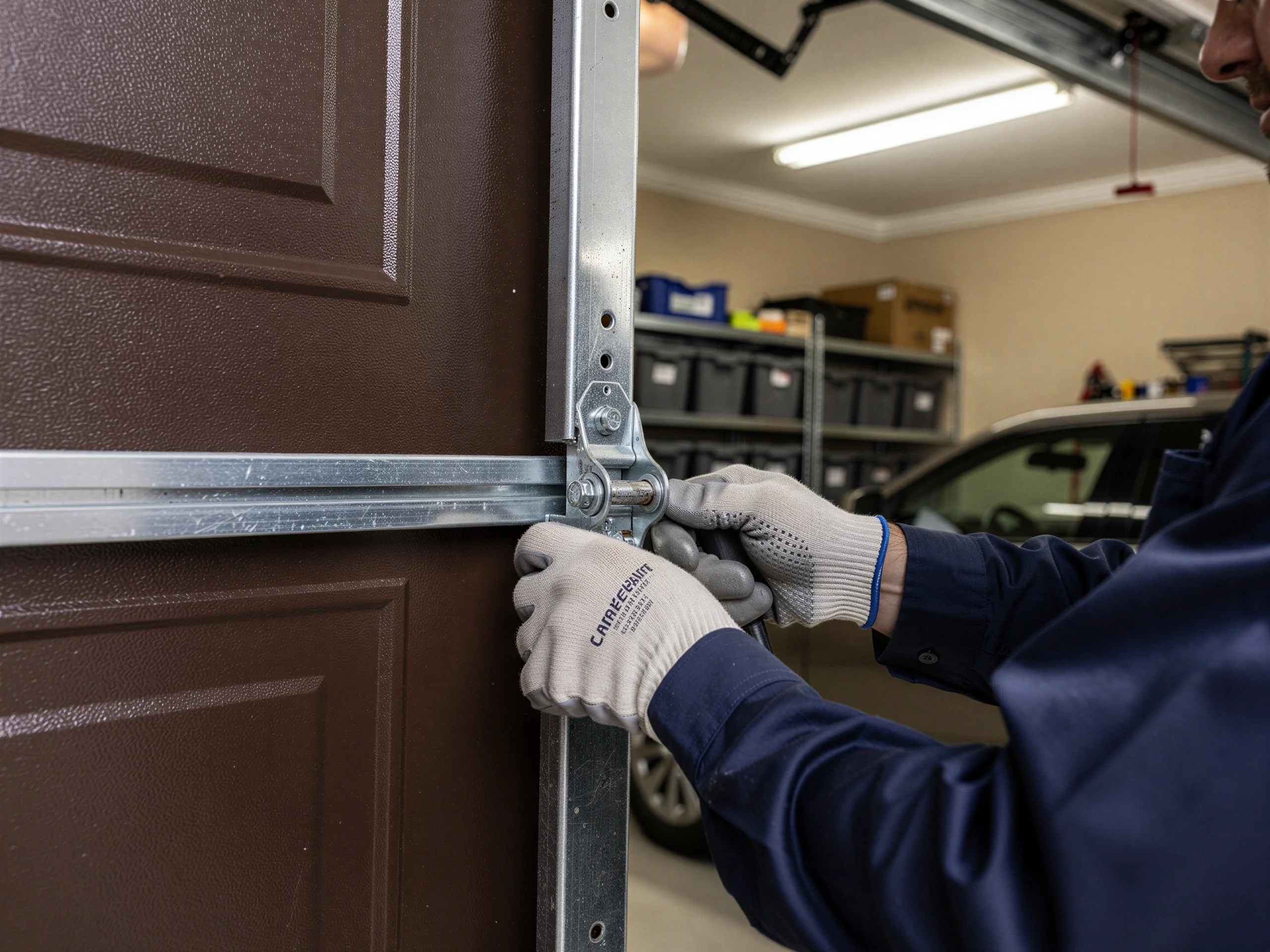
We remove the old unit, check the header bracket and rail alignment (critical on the pre-1970s framing still common across this area), and set travel limits and force settings by hand rather than trusting factory defaults, since older jambs rarely sit perfectly square anymore.
Safety reverse testing
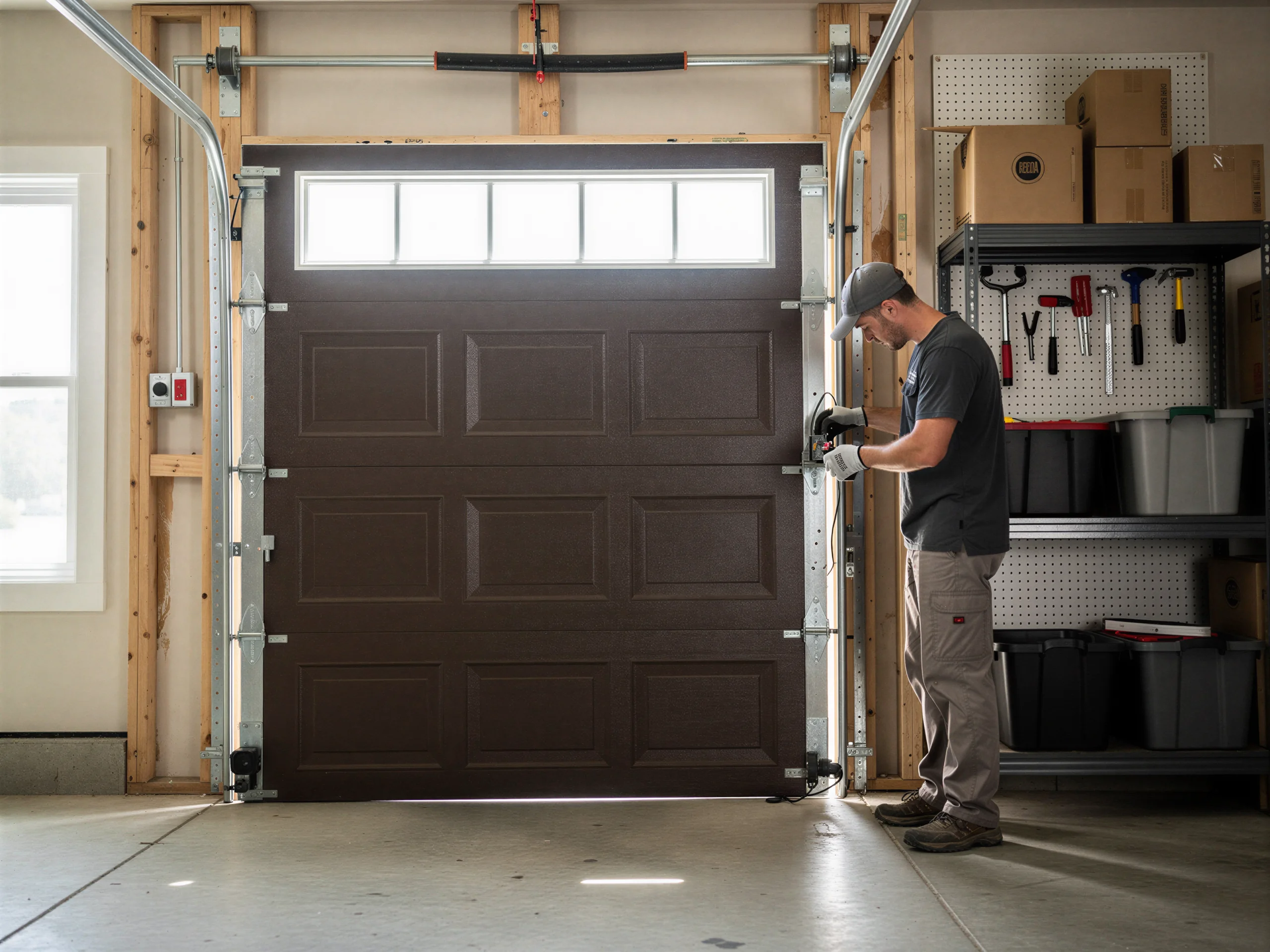
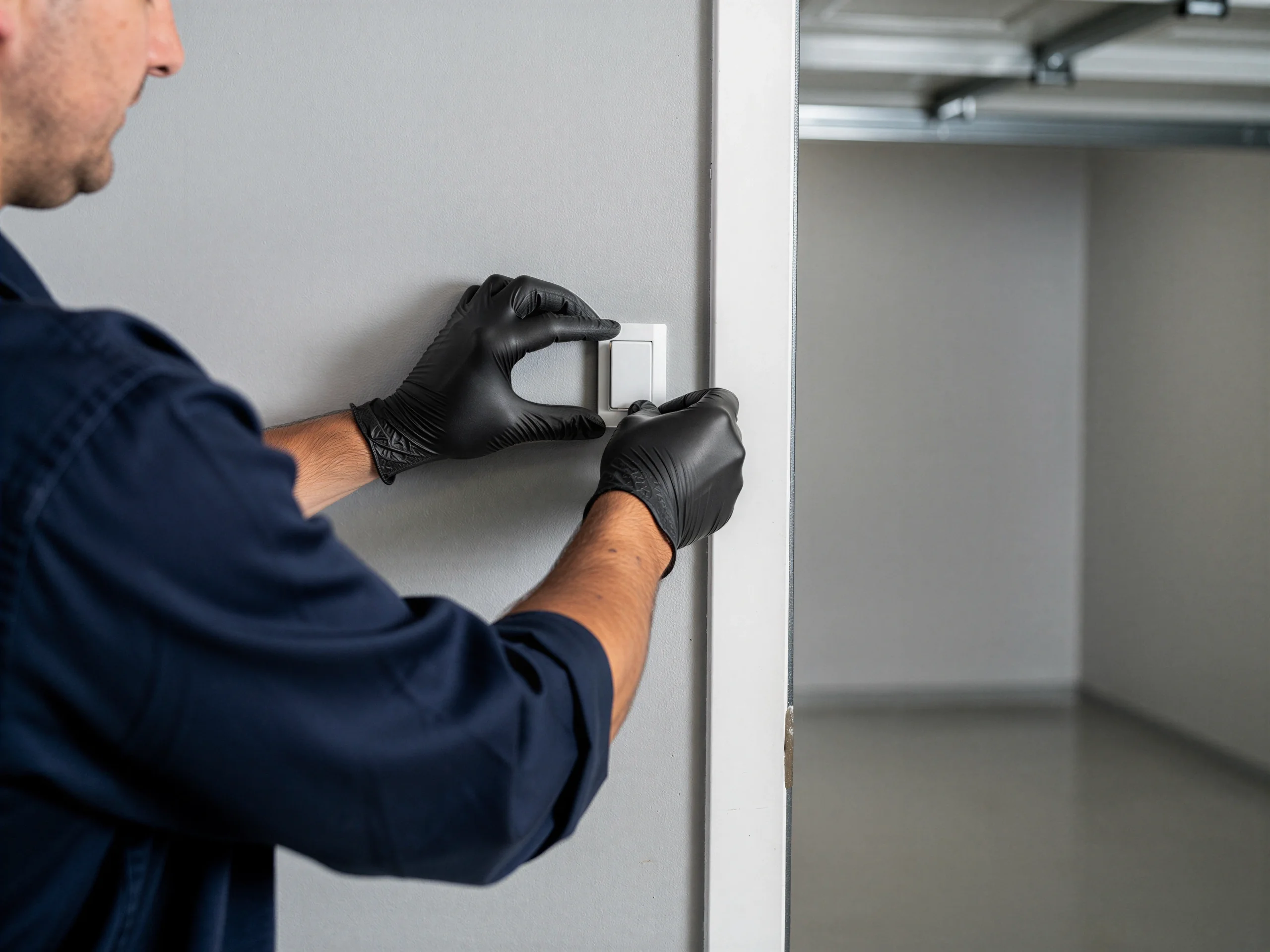
We also test the safety reverse sensors every time, since that's a step that gets skipped on cheap installs and matters more on older driveways and garages where the sensor brackets have shifted over the years.
Dozen test cycles
Once it's mounted, we run it through a dozen full cycles before we call the job done, checking for drift, noise, and remote range. If your existing rail or track hardware is salvageable we'll reuse it; if it's warped or pitted past spec, we'll say so and replace it rather than bolt a new motor to compromised rail.
Talk to a local pro
Garage door service in La Mirada?
Same-day service with honest, upfront quotes.