
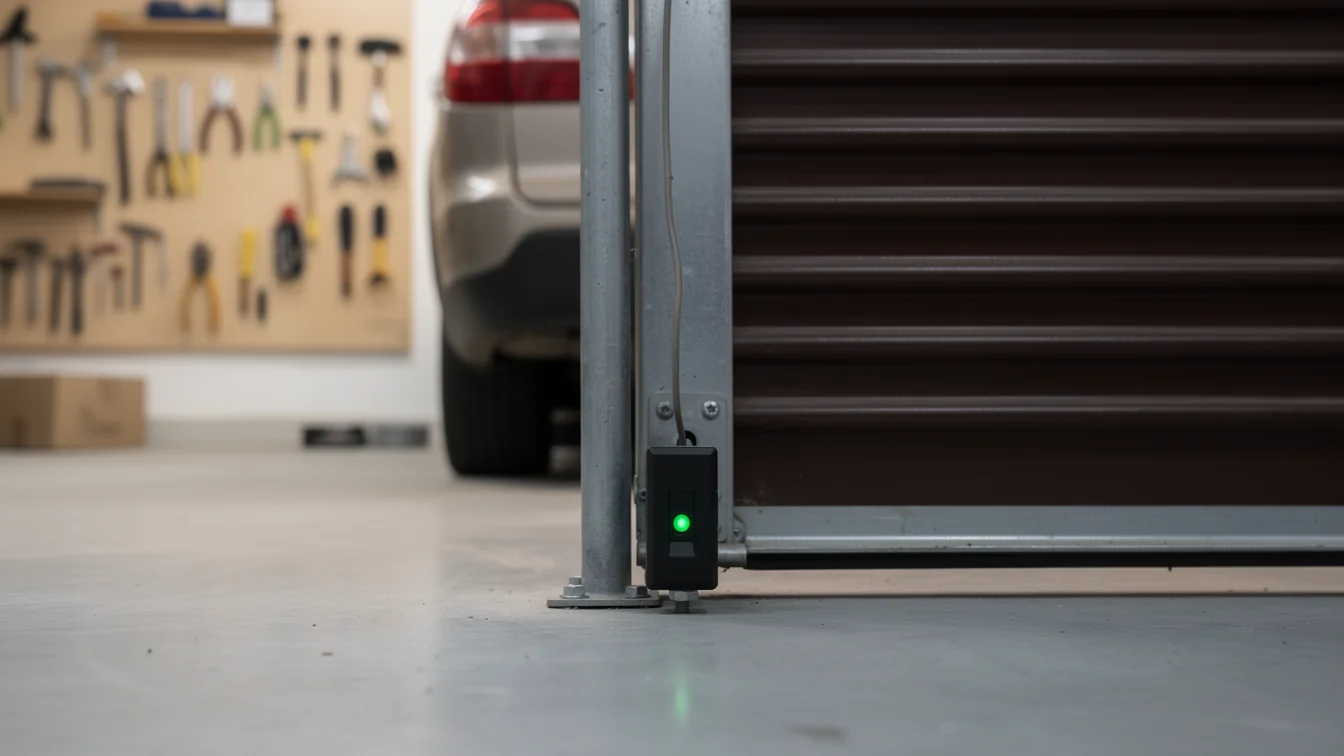
 Why Your Garage Door Sensors Keep Drifting Out of Alignment
La Mirada homes built mostly in the 1960s and 70s have garage doors prone to sensor misalignment.
Why a Door Goes Off Track in a La Mirada Garage
La Mirada homes built mostly in the 1960s and 70s still run original steel track. Here's why doors jump track here and what to check before you call.
Local detail
What Is Going On
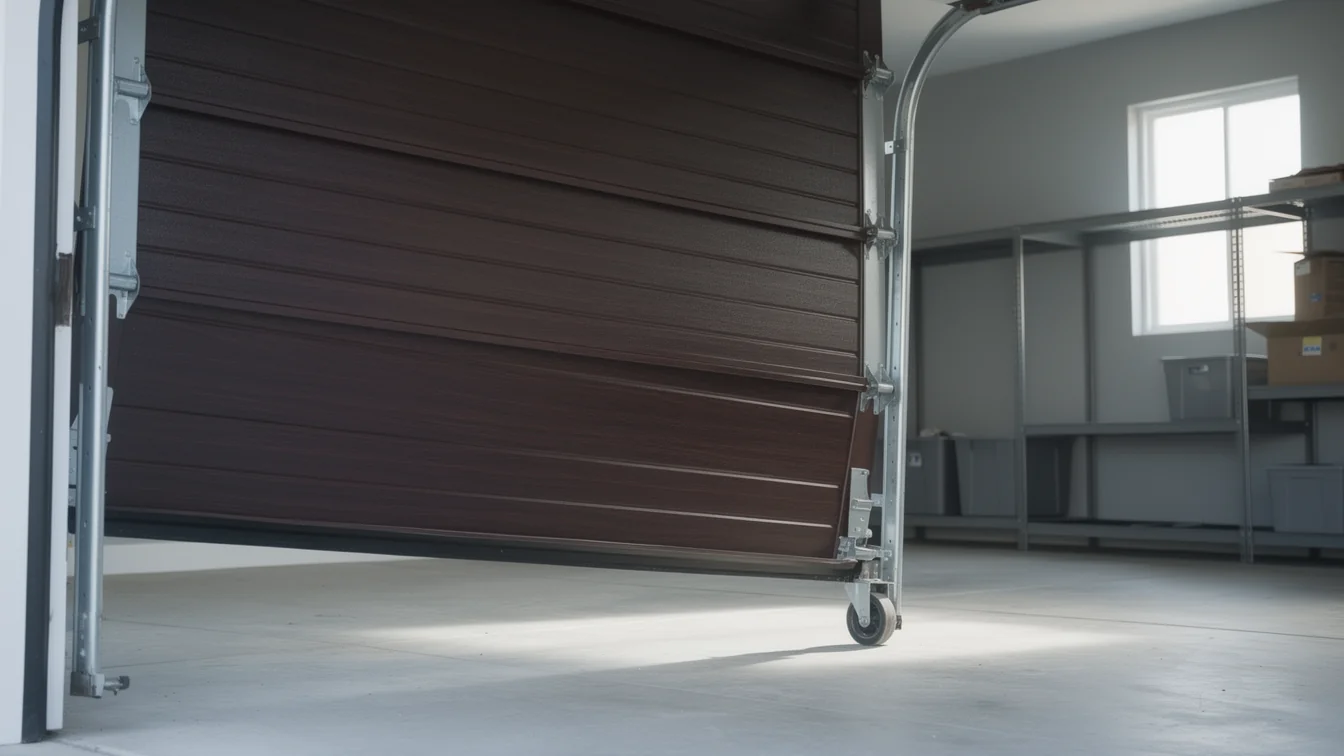
A door off track means the rollers have slipped out of the channel that guides them up and down, or the track itself has pulled away from the frame. On a door that's been running fine for years, it rarely happens out of nowhere. Something nudges it loose - a roller worn thin, a bracket bolt that's backed out, a panel that's taken a hit from a car bumper or a basketball.
Most houses on this side of La Mirada were built between the early 1960s and the 1970s, with the area's housing stock centered on a median build year of 1964. A door running on track from that era, or a mid-life replacement installed decades ago, is working with galvanized steel that's thinner and less forgiving than what goes in today. The track flexes a little more every time the door cycles, and over enough years that flex turns into a bend you can see with a level.
A door doesn't need a storm or a dramatic event to come off track. It usually just needs forty or fifty years of normal use on hardware nobody's touched since it went in.
The area
Where People Go Wrong
The common mistake is forcing the door. If it binds or jumps partway up, people hit the opener button again, or try to walk it back into the track by hand while it's still under spring tension. That's how a bent track turns into a cracked panel, and how a stuck door turns into a trip to the ER.
The second mistake is assuming a track problem is a track-only problem. On houses from the 1960s and 70s stock that makes up most of this area, the track, the rollers, and the spring are usually original to the same install. If the rollers are worn enough to walk out of the channel, the spring's cycle count is just as old. Replacing the track and leaving a forty-year-old spring in place is a short-term fix.
The third mistake is ignoring a door that's only slightly off - one roller riding the lip of the track instead of fully inside it. It'll run like that for weeks, then one cold morning or one hard stop, it drops the rest of the way off and the door won't move at all.
What we find
What to Check
Start at the bottom corners of the door, where the brackets mount. Look for a gap between the bracket and the track, or a track that's visibly bowed outward at roller height. That bow is usually where a car or a stored ladder made contact.
Next, check the rollers themselves. Original steel rollers from a decades-old install wear a flat spot over time; a flat roller doesn't sit square in the channel and will walk toward the edge under load. If you can see daylight between the roller and one side of the track, that's your answer.
Check the lag screws or carriage bolts holding the track brackets to the frame. On houses this age, wood framing around the opening has had a long time to shrink and settle, and a bolt that was snug on install day can work loose over fifty years of door cycles without anyone noticing.
One honest limitation: if the track is bent more than about a quarter inch out of true, don't try to bend it back. Steel that's been stressed that far tends to fail again at the same spot, and a straightened track is a short-term patch, not a repair.
How we work
How Local Conditions Play In
La Mirada sits in a mild temperate band, without the hard freeze-thaw cycles that crack concrete slabs and shift anchor points in colder parts of the country. That's a real advantage - track hardware here isn't fighting seasonal expansion the way it does elsewhere.
What the climate doesn't protect against is age. A door that's run for fifty summers without weather-driven stress still logs the same number of open-close cycles as one anywhere else, and steel track and stamped rollers wear on cycle count, not on temperature. So the failures we see tied to this area's housing - mostly 1960s and 70s builds - come from decades of normal use on original hardware, not from storm damage or ice.
The upside is that when a track does go bad here, it's almost always a hardware problem you can diagnose by looking, not a structural one caused by a shifting foundation or frozen components. That makes it one of the more straightforward repairs on an older door, provided nobody's tried to force it back into place first.
Questions
Common questions
Can I bend a garage door track back into shape myself?
If it's bent more than a slight amount, no. Steel that's been pushed that far out of true tends to fail again at the same point once you load it back up. A track that's badly bowed usually needs replacing, not straightening, especially on a door running original hardware from a decades-old install.
Why did my door come off track with no accident or storm?
On houses in this area built mostly in the 1960s and 70s, track failures are usually age and cycle count catching up with original steel and rollers, not a single event. Worn rollers walk out of the channel gradually, so the door can look fine for months before it finally drops off.
Is a door off track always a spring problem too?
Not always, but on an older install where the track, rollers, and spring went in together decades ago, it's worth checking the spring while you're in there. If one part of the original hardware has worn out, the rest is usually close behind on the same cycle count.
Recommendation
You Might Also Like
More garage door guides for La Mirada homeowners.
Why Your Garage Door Sensors Keep Drifting Out of Alignment
La Mirada homes built mostly in the 1960s and 70s have garage doors prone to sensor misalignment.
 Attached or Detached: The Garage Door Question La Mirada Homes Actually Face
La Mirada's 1960s-70s housing stock split between detached and attached garages.
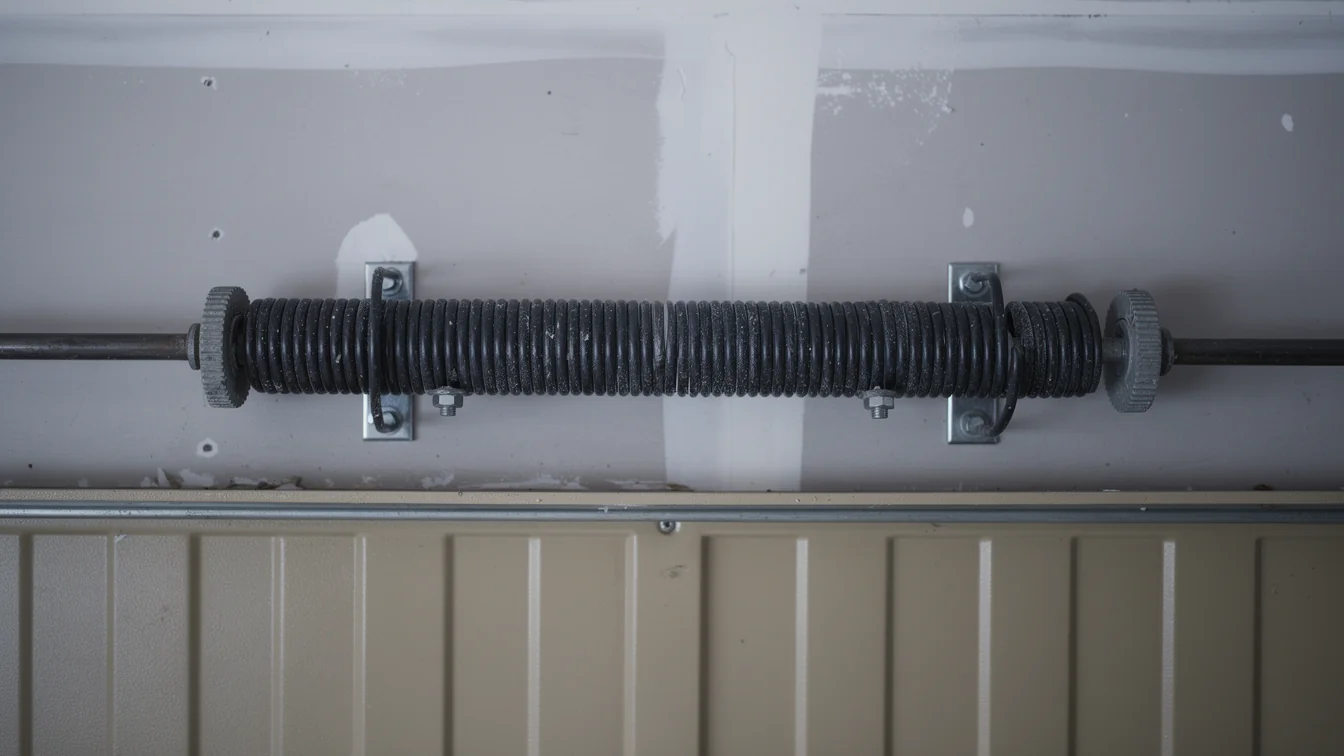 When a Spring Goes in Cold Weather: What's Really Happening in La Mirada
La Mirada's 1960s-70s housing stock and mild winter cold snaps put old torsion springs under strain.
Ready when you are
Need a garage door sorted in La Mirada?
La Mirada Garage Door Pros repairs and installs garage doors, springs and openers in La Mirada, CA and the surrounding area.
Certified Experts
Quality Assured