
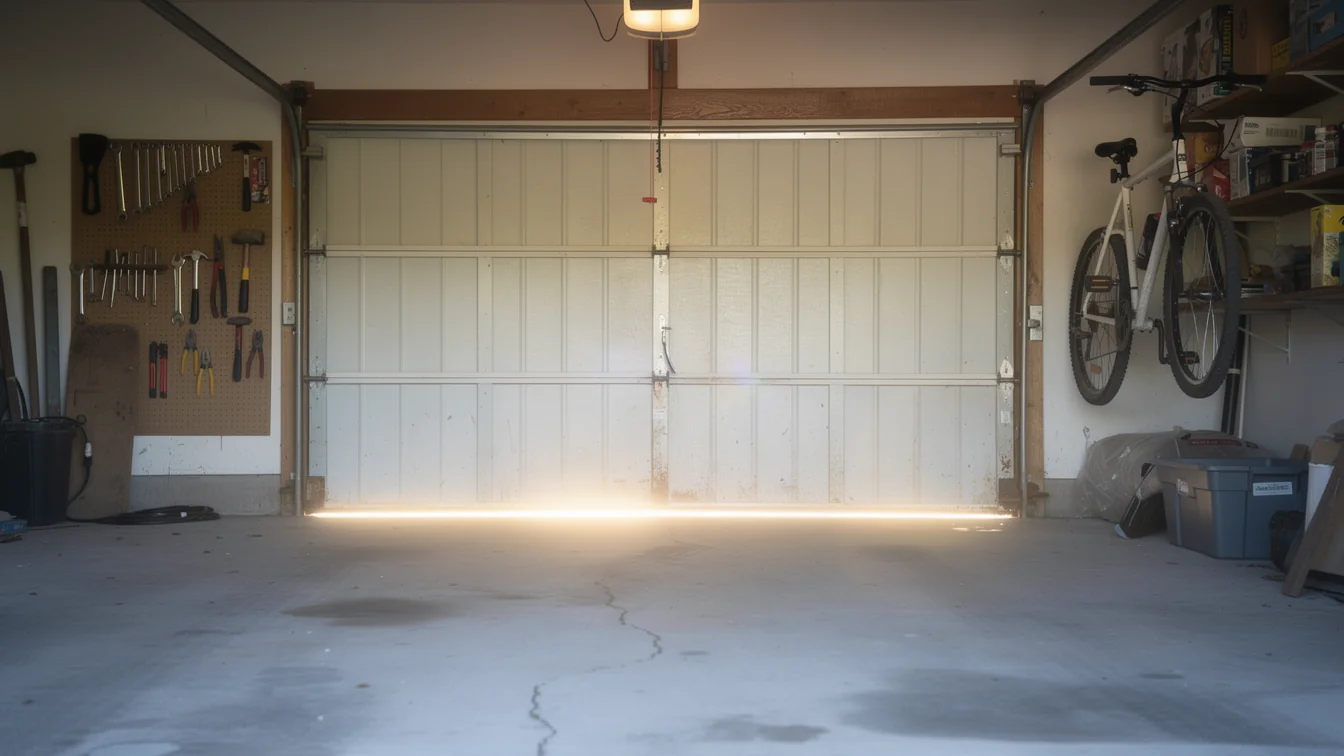
 Why Older La Mirada Garage Doors Struggle with Insulation
Most La Mirada garage doors date to the 1960s and 70s, built before insulation rules existed.
Why Your La Mirada Garage Door Still Lets the Draught In
Most La Mirada garage doors date to the 1960s and 70s, with original seals long past useful life. Here's what actually lets draughts through in this climate.
Local detail
What Is Going On
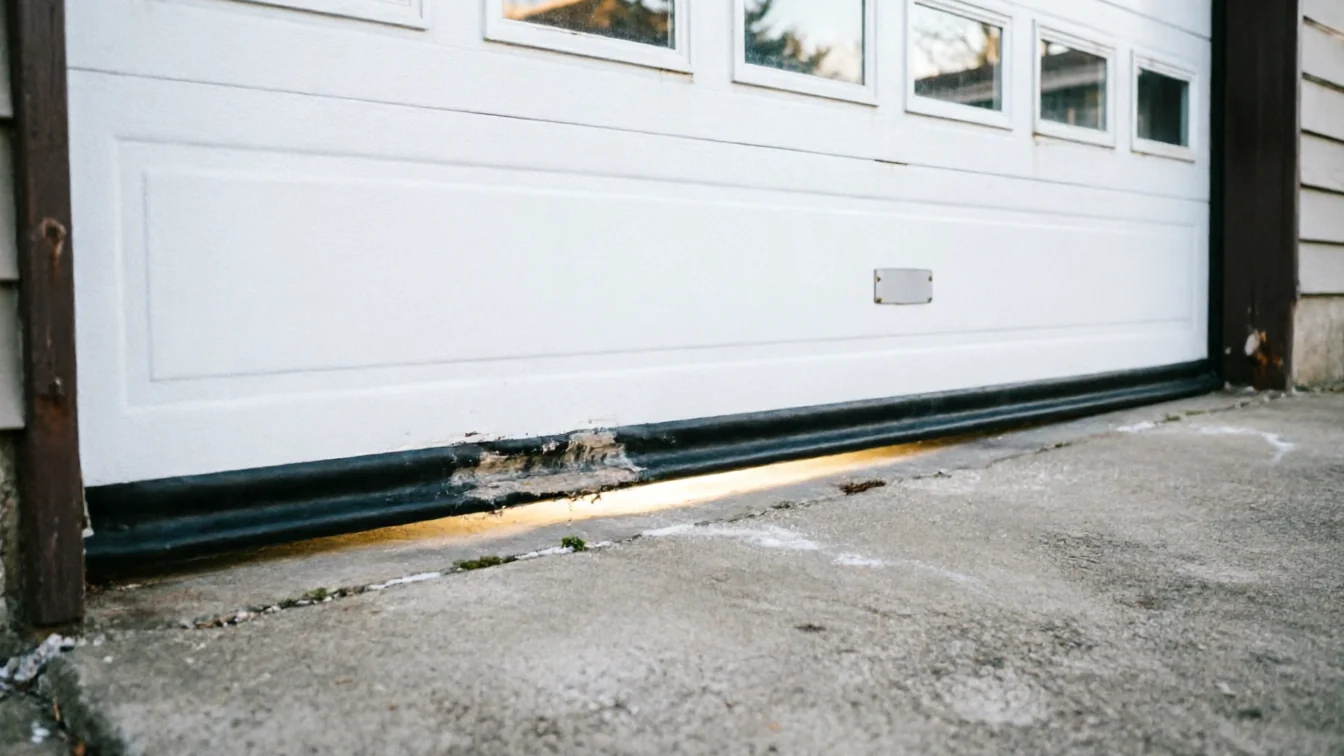
Housing in this area was mostly built between 1943 and 2012, with the median sitting around 1964, and a lot of it falls into that 1960s-70s wave that makes up most of the 65 named areas in this stretch of the county. That means the garage door on a typical La Mirada house isn't new construction with a modern bottom seal and tight-fitting weatherstrip channel. It's an original or first-replacement setup, and the rubber or vinyl gasket at the bottom of the panel has had fifty-plus years of sun cycles to shrink, crack, and pull away from the track it sits in. You feel it as a thin line of outside air along the floor, or you see daylight at the corners when the door's down. The climate here is mild temperate, so you're not fighting ice-dam swelling or snow-melt soaking into the slab like a colder region would. The draught problem in La Mirada is almost entirely about seal age, not seal failure from extreme weather.
The area
Where People Go Wrong
The common mistake is treating the gap as an opener or alignment problem when it's a strip of dried-out rubber. People adjust the limit switch, or they pay to have the door reset on its tracks, and the draught is still there afterward because nobody touched the actual seal. On houses from that 1960s-70s stock, the bottom seal retainer is often a style that's been discontinued, so a straight swap with a big-box store strip doesn't always seat right. Another miss: assuming a mild climate means weatherstripping doesn't matter much. It still does, mostly for dust and for keeping stored items dry during the rainy stretches of the year, even without the freeze-thaw stress that forces replacement in colder parts of the country. Skipping the side and top seals is the other recurring gap. Homeowners replace the bottom astragal and stop there, leaving the vertical jamb seals original from whenever the door was last serviced, which is often still the original 1960s or 70s installation.
What we find
What to Check
Start at the bottom seal and bend it between two fingers. If it cracks or feels stiff rather than pliable, it's past its working life regardless of how it looks from a few feet away. Check where the seal meets the concrete on both sides of the door - on older slabs, the floor itself has settled slightly over sixty-plus years, so even a good seal can have a gap on one side that it didn't have originally. Run a hand along the top and side jambs on a windy day and feel for air movement. Look at the retainer channel itself, not just the rubber: if the channel is bent, warped, or loose from the frame, a new strip won't seal even if the rubber is fresh. One limitation worth saying plainly: if the door panel or frame has shifted out of square, swapping the seal buys you very little, and that's a repair job, not a weatherstripping job.
How we work
How Local Conditions Play In
The mild temperate climate here means you're not dealing with the dramatic seal failures that come from freeze-thaw cycling or heavy snow load pressing down on a bottom seal all winter. What you are dealing with is steady UV and heat exposure over decades, which is a slower but just as real kind of wear on rubber and vinyl. A door installed when the house was built in, say, the 1960s has had sun hitting that bottom seal through thousands of open-close cycles with no interruption from winter storage. That's a different failure pattern than you'd see in a colder region, and it means the fix is usually simpler: replace the seal and retainer, check the jamb fit, and you're done. There's no slab heaving or ice-related frame distortion to work around in this climate, which keeps most weatherstripping jobs on older La Mirada houses straightforward once you've correctly identified that it's the seal, not the hardware.
Questions
Common questions
Why does my garage door still draught after I replaced the bottom seal?
If the retainer channel is bent or the slab has settled unevenly, a new seal won't close the gap on its own. This is common on houses from the 1960s and 70s where the floor and frame have shifted slightly over decades. The seal needs a channel that holds it flush against the floor on both sides.
Does La Mirada's climate make garage door seals wear out faster?
Not from cold or ice, since the climate here is mild temperate. The wear comes from steady sun and heat exposure over many years of use, which dries out rubber and vinyl gradually rather than cracking it suddenly the way a hard freeze would elsewhere.
How do I know if it's the seal or the door itself?
Flex the bottom seal between your fingers. If it's stiff or cracked, that's your answer. If the seal still feels pliable but you still get draughts, check whether the panel or frame sits square - on older installations that's more often the real cause, and it isn't a weatherstripping fix.
Is it worth replacing seals on an original 1960s garage door?
Usually yes, since the seal and retainer are a small part relative to the whole door. But if the retainer channel is also warped or the panel has racked out of square, you're looking at a bigger repair, and it's worth having someone check the whole assembly before buying parts.
Recommendation
You Might Also Like
More garage door guides for La Mirada homeowners.
Why Older La Mirada Garage Doors Struggle with Insulation
Most La Mirada garage doors date to the 1960s and 70s, built before insulation rules existed.
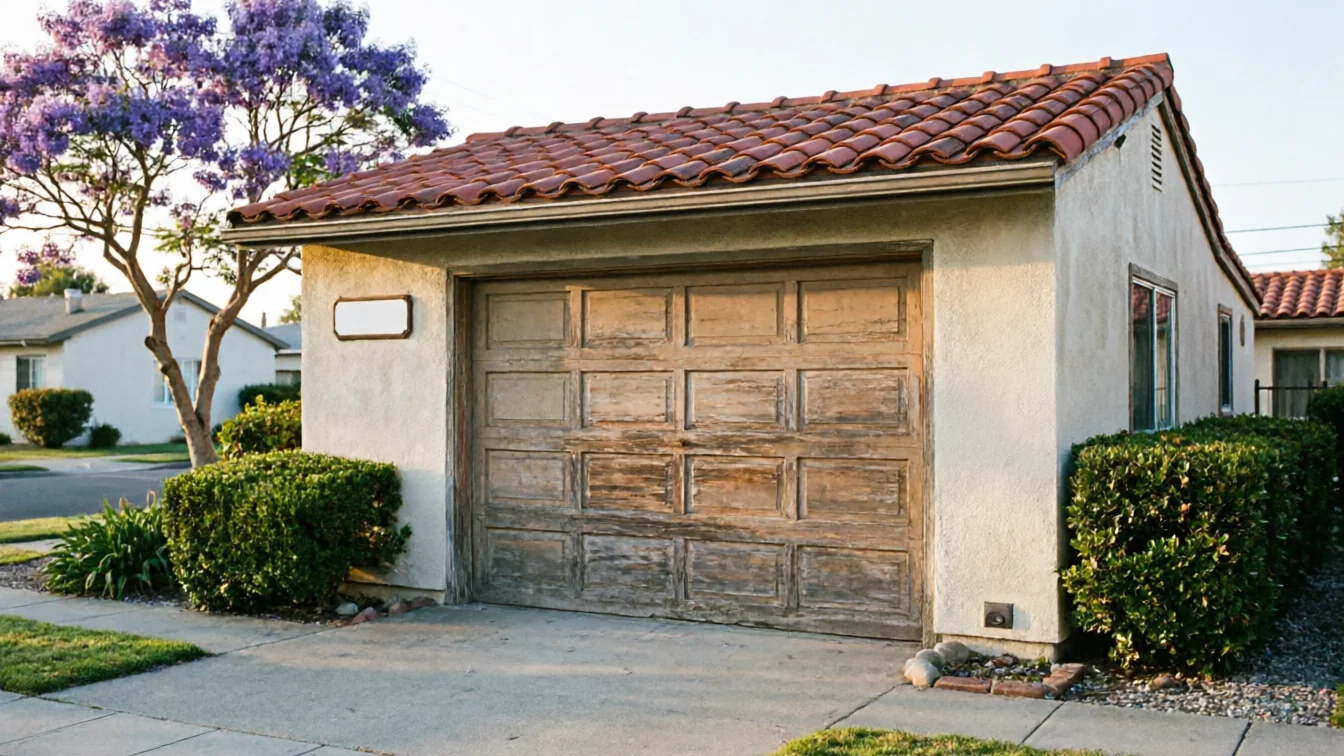 Is Your Older La Mirada Garage Door Worth Fixing?
Most La Mirada homes date to the 1960s and 70s.
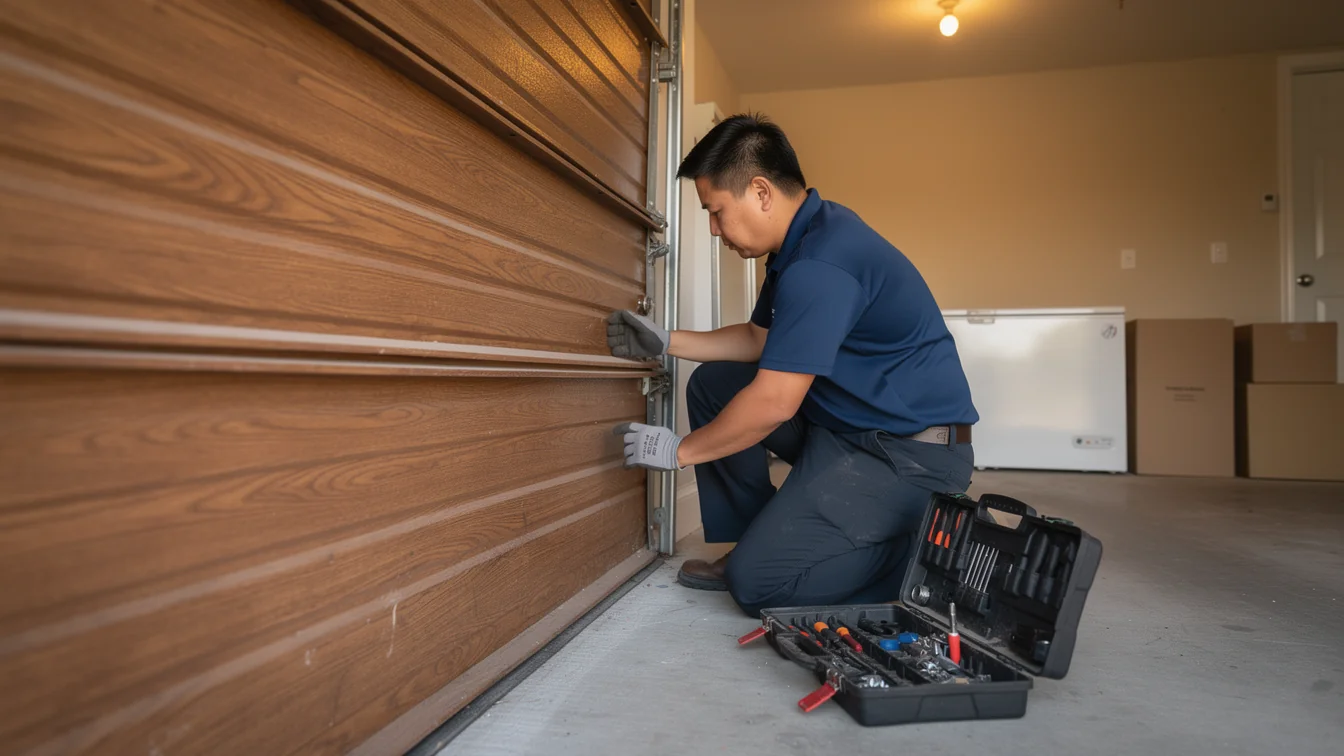 What a Service Call Actually Covers in La Mirada
A real look at what a garage door service call checks in La Mirada, tied to the 1960s-70s housing stock and mild coastal-inland climate here.
Ready when you are
Need a garage door sorted in La Mirada?
La Mirada Garage Door Pros repairs and installs garage doors, springs and openers in La Mirada, CA and the surrounding area.
Certified Experts
Quality Assured