Getting It Booked In
Call and tell us what the door is doing - won't open, opens partway and stops, makes a bang before it quits, or the opener runs but nothing moves.
Ask about house age
That last one is usually the spring, not the motor, and it changes what we bring on the truck. We ask for the house's rough age if you know it, because La Mirada's stock runs from the early 1940s clear through to the 2010s, and a door from a 1964-built house gets fixed differently than one from a 2005 build.
Nearby communities served
We work the La Mirada area and the stretch of nearby communities around it - East Whittier, South Whittier, La Habra Heights, Hacienda Heights, and the rest of that corridor are all close by. If you're on a side street two miles off a major road, that's still inside the normal run for us, not a special trip.
Discontinued parts delay
One limitation up front: if the fix needs a part that's no longer made - some of the older torsion drums and end bearing plates fall into that category - we may need a day or two to source it rather than close the job on the first visit. We'll tell you that on the phone, not after we've already opened the door up.
Why This Fails Locally
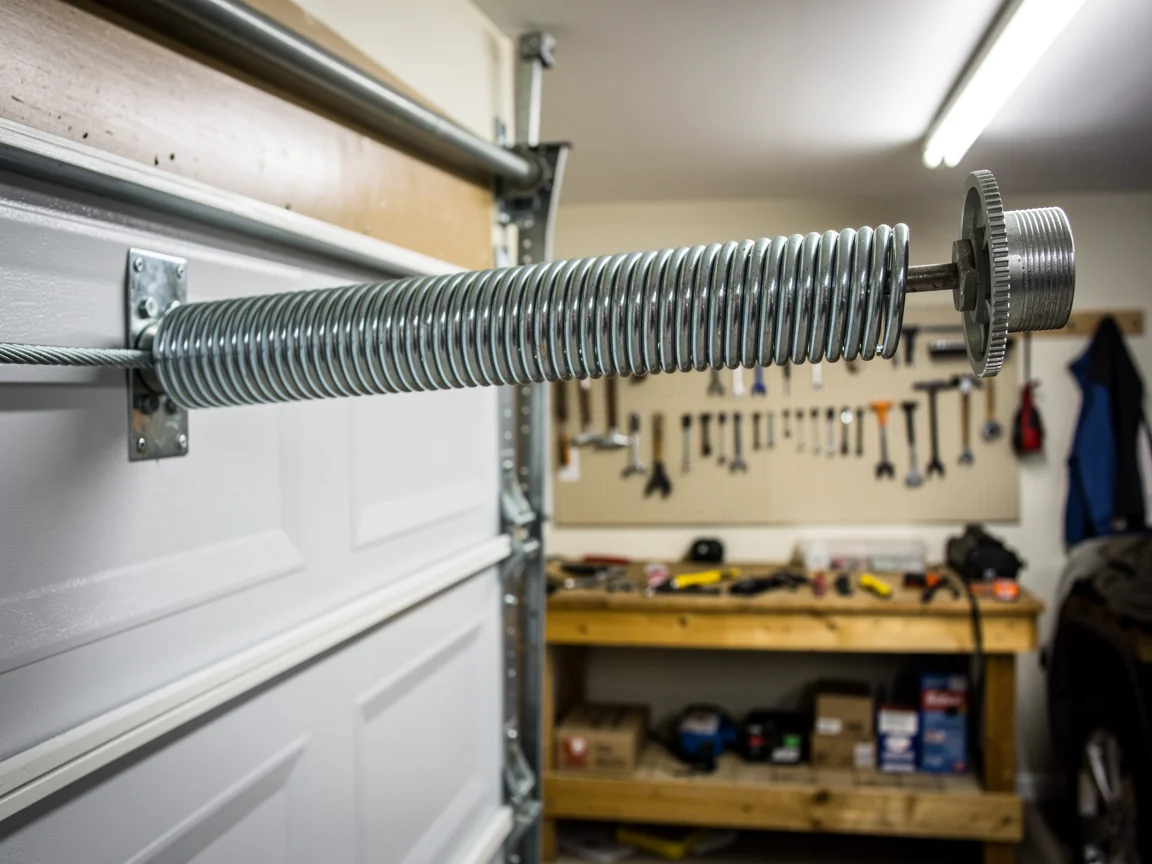
La Mirada's housing stock mostly dates to the 1960s and 70s, with the broader area running from 1943 up through 2012 and a median build year around 1964. That matters for garage doors because a house built in that window was almost always fitted with a side-mounted torsion spring system and a single-piece or early sectional door - hardware that was standard then and is mostly obsolete now. Thirty, forty, fifty years of cycles on the same spring and the same bearing plate is a long run, and most of these doors have never had the spring replaced once.
The climate here is mild temperate, so we don't see the freeze-thaw cracking or ice-jammed track problems that garages in colder states deal with. That's the one thing working in your favor. What we see instead is slow mechanical fatigue - galvanized spring coils that have simply cycled past their rated life, rollers worn oval from decades of the same groove, and center hinges stretched out from age rather than weather. The fault isn't sudden damage. It's a part that was good for roughly 10,000 cycles and quietly used them all up.
The Symptom
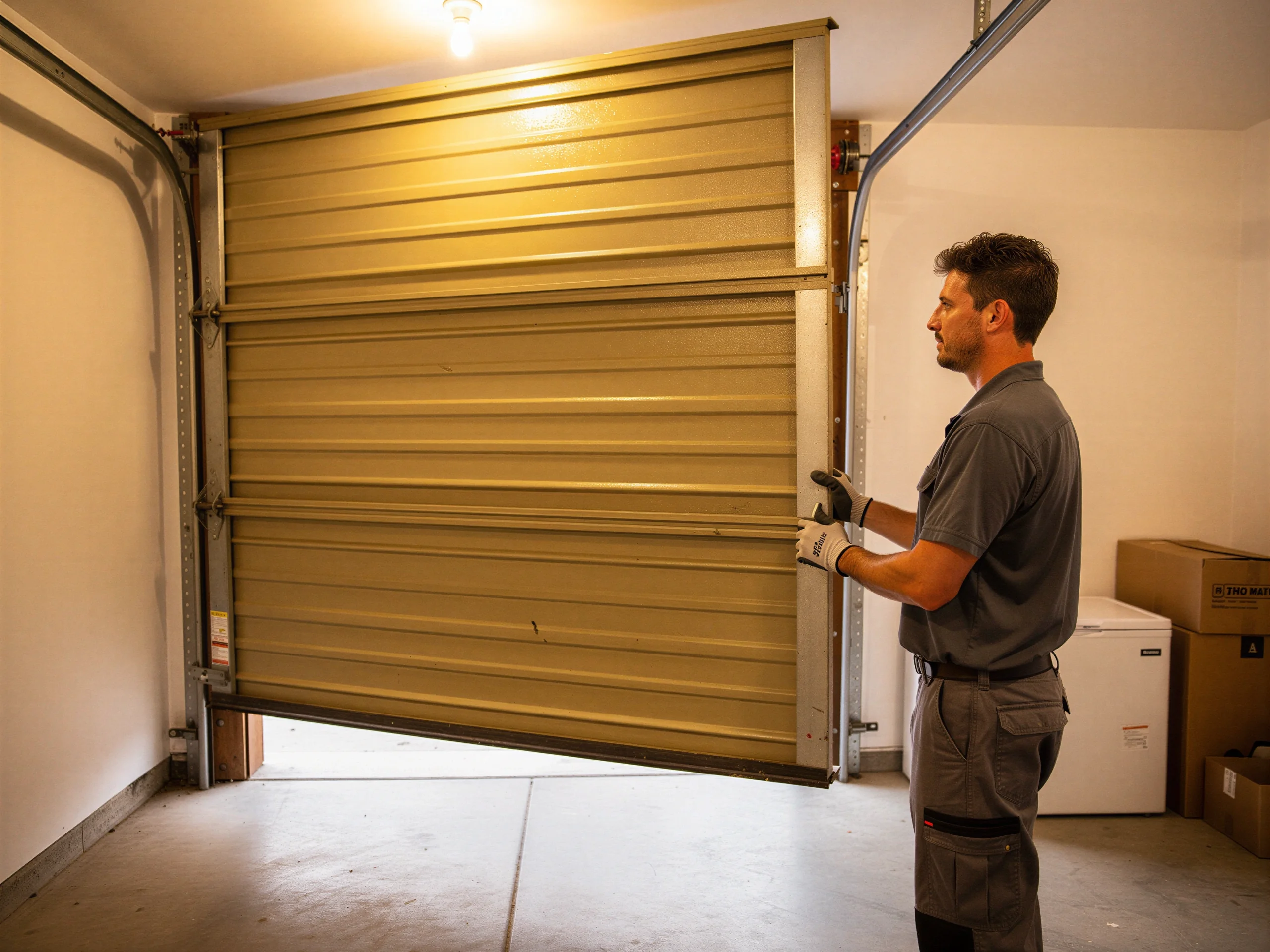
The call we get most from this area is a door that reverses right after it starts closing, or one that won't lift past knee height before the opener strains and stalls.
Uneven spring tension loss
Both point to the same root cause in houses from this build era: a torsion spring that's lost tension unevenly, so the opener is trying to lift a 150-plus pound door with no real counterbalance left. The motor isn't weak - it was never built to lift the door on its own.
Galvanized coil failure
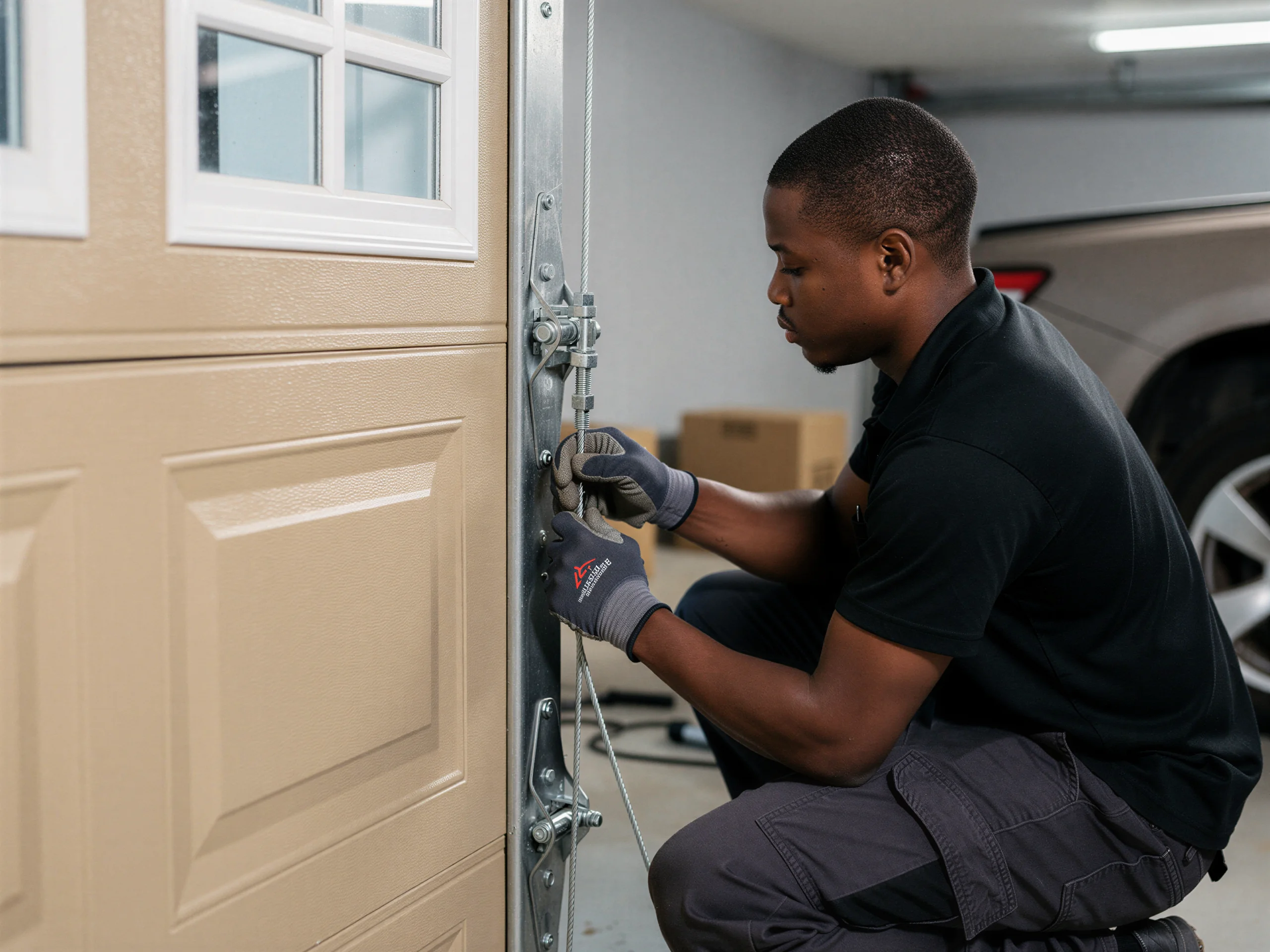
A second common pattern is a loud bang followed by the door refusing to move at all. That's usually the spring itself finally giving out, often on the older galvanized coil setups that came standard on 1960s and 70s construction and were never swapped out. You'll sometimes see a gap in the coil or a section of spring hanging loose from the shaft.
Flat-sided rollers
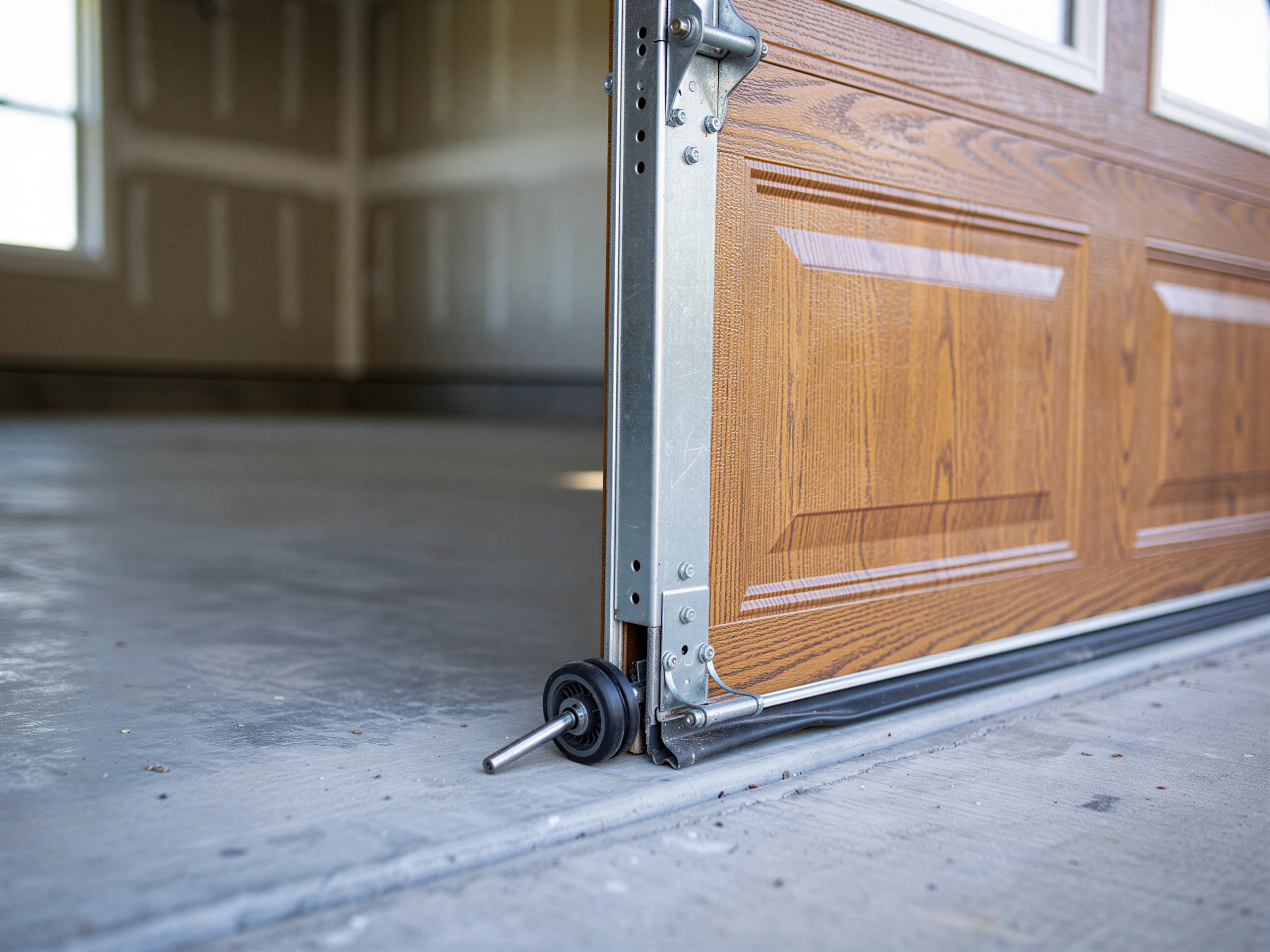
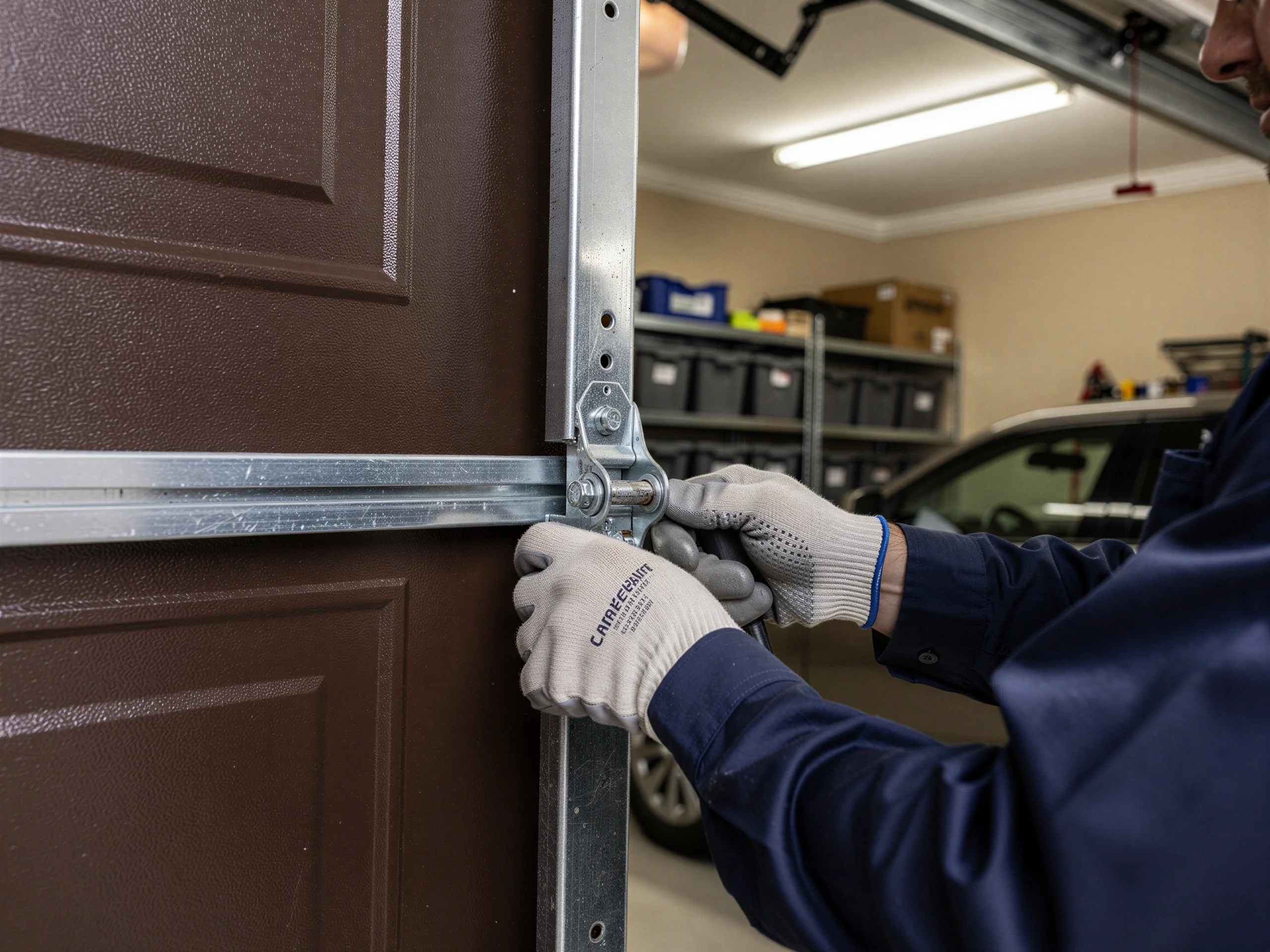
Less dramatic but just as common: rollers that have gone from round to flat-sided after decades in the same track, making the door shudder or grind on the way up. None of these are emergencies in the sense of danger to the house, but a door stuck halfway open is a door you can't lock, and that's worth getting to quickly.
What the Fix Involves
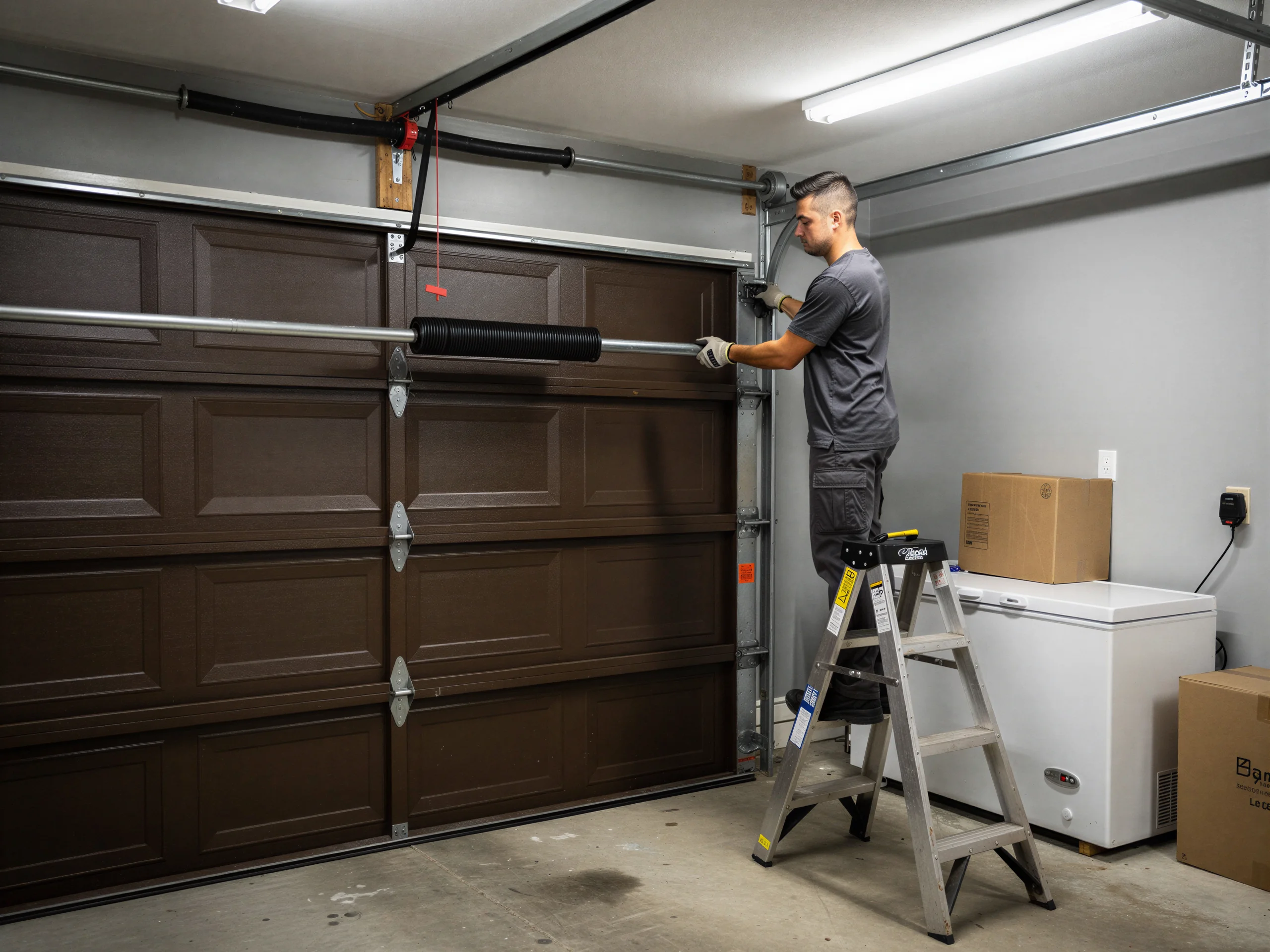
For a failed torsion spring, the job is matching the spring's wire size, length, and wind direction to the door's actual weight - not just swapping in whatever's on the truck.
Sizing springs correctly
Doors from this build era are often heavier than modern insulated panels of the same size, so guessing undersizes the spring and you're back to square one in a year. We also check the drums and shaft for wear while the spring is off, since on a house this age it's common for both to need attention at the same visit.
Full roller set
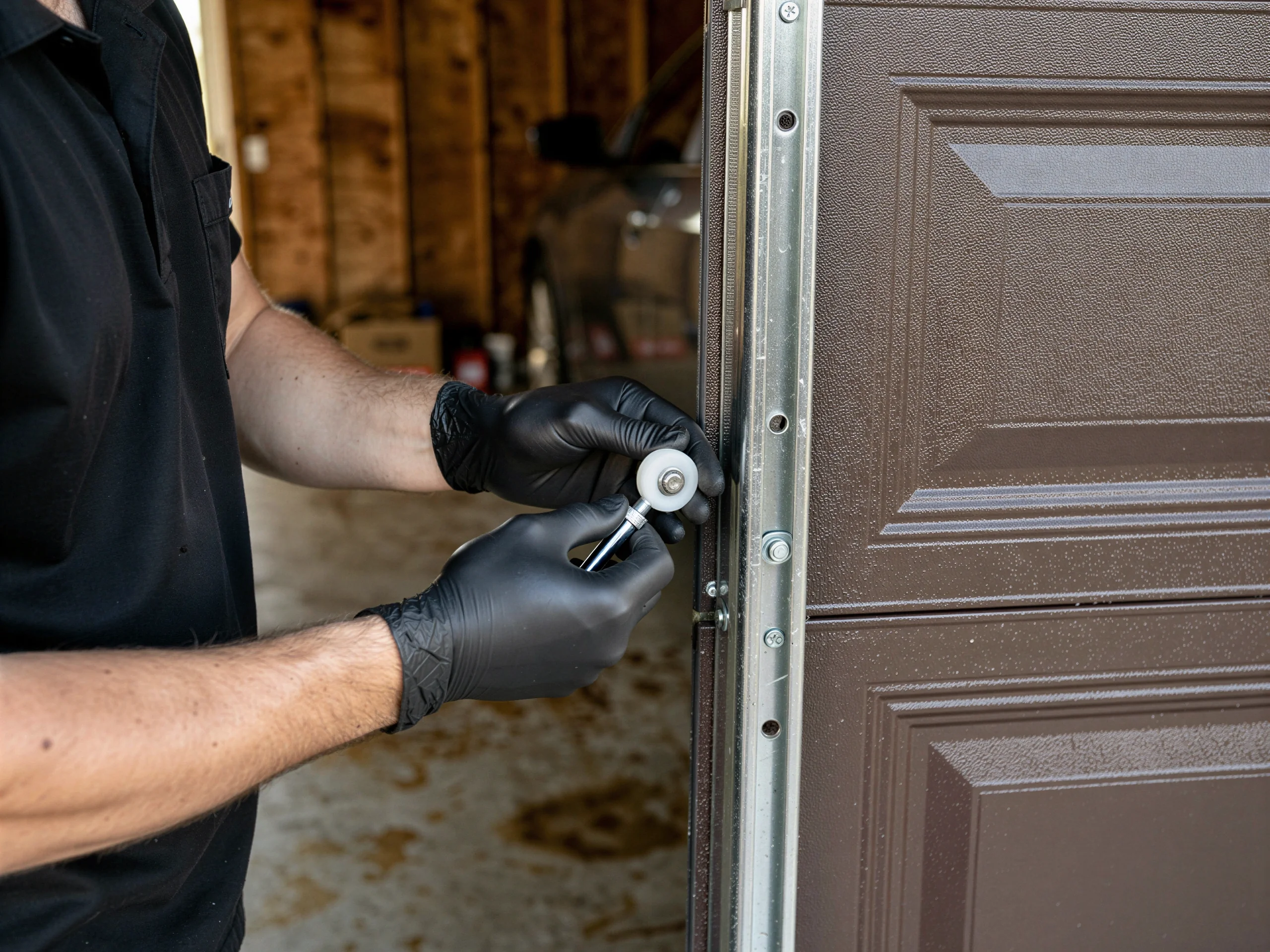
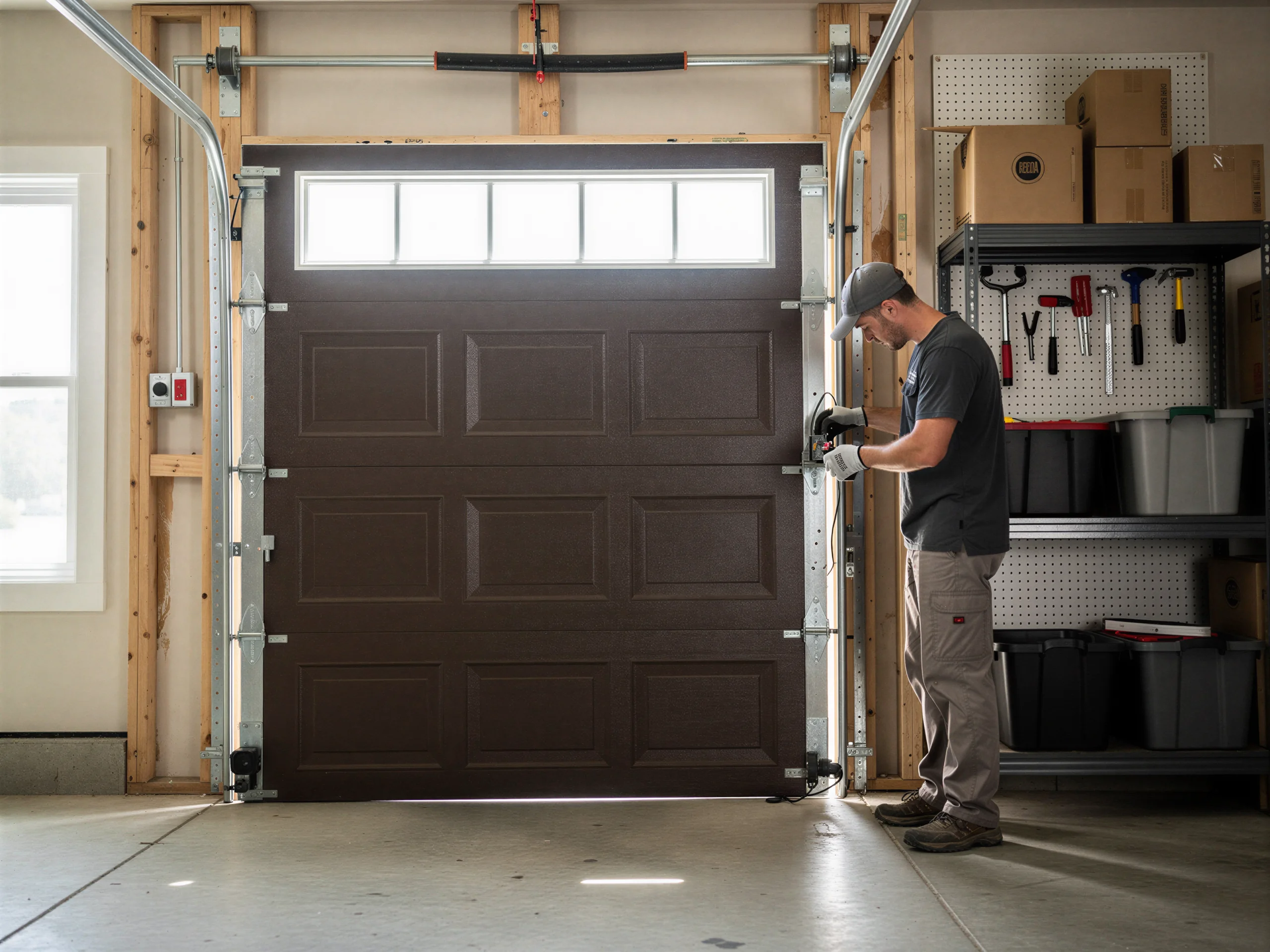
For worn rollers, we replace the full set rather than just the ones that look worst - mixed wear rates lead to a door that tracks unevenly within months. If the track itself has been bent from years of a rubbing roller, we true it up or replace the section rather than just greasing it and hoping.
Patching not worth it
Honest limitation: if the door and track are both original and both near end of life, sinking money into spring and roller work on a door that's otherwise warping or delaminating isn't worth it. We'll say so rather than patch something that needs replacing. There's no fixed turnaround we can promise here - it depends on whether the part is common stock or one we have to track down for an older setup.
Talk to a local pro
Garage door service in La Mirada?
Same-day service with honest, upfront quotes.