Can You Do This Yourself
Glendora is a 19-mile run from the La Mirada shop, which is farther than most of the other suburbs this company covers - most of those sit in the 2 to 11 mile range.
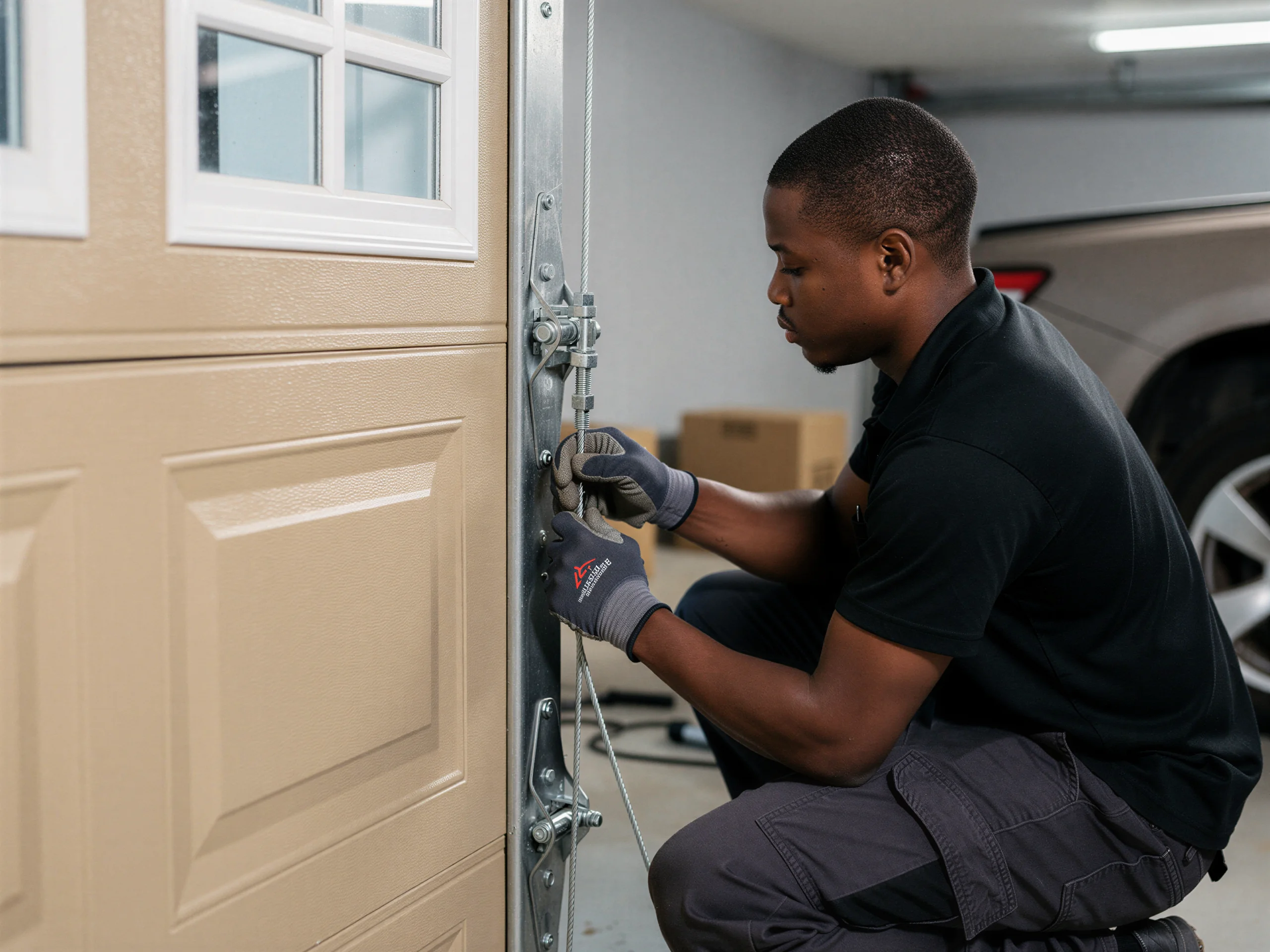
Clear tracks, tighten bolts
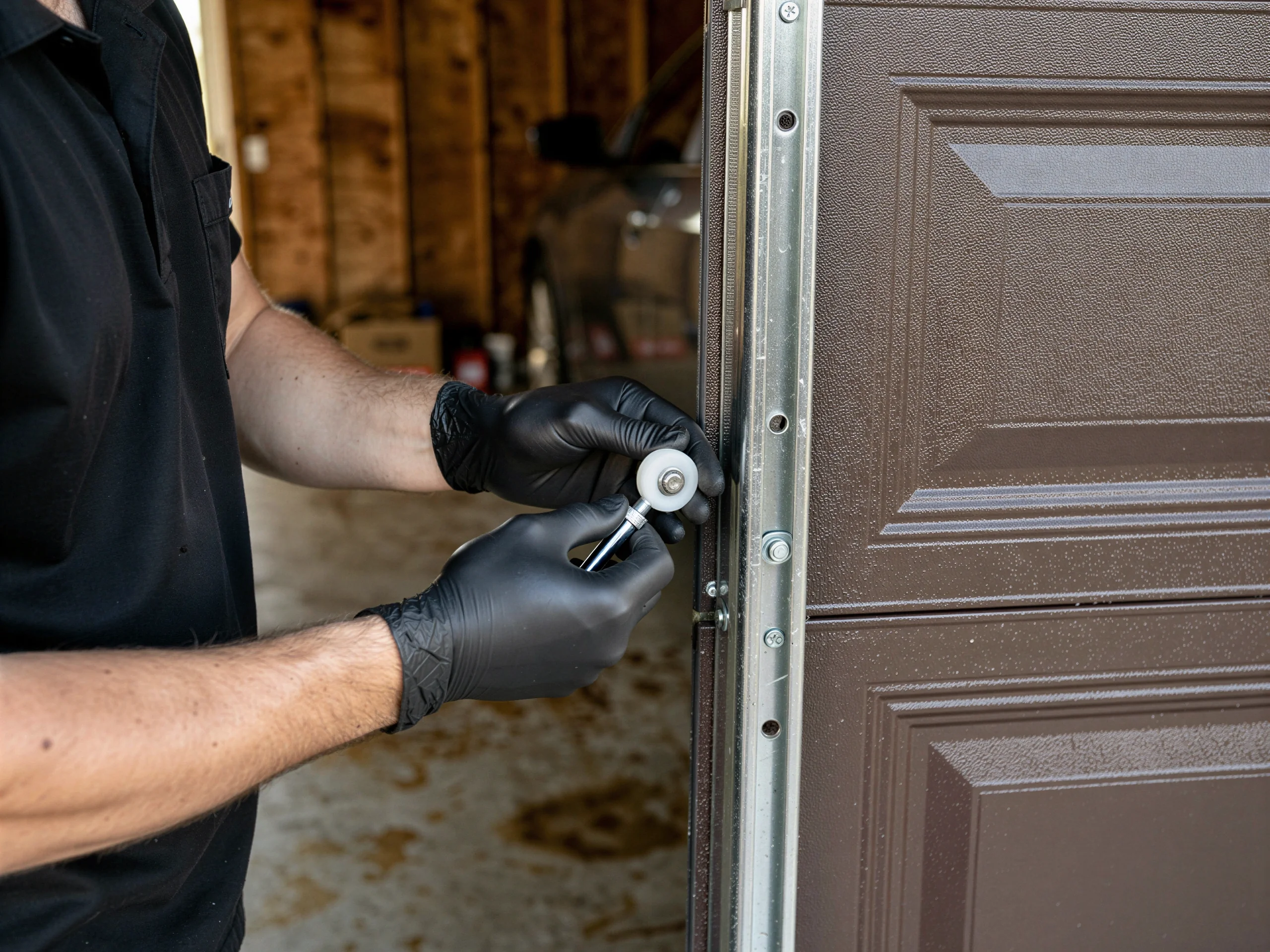
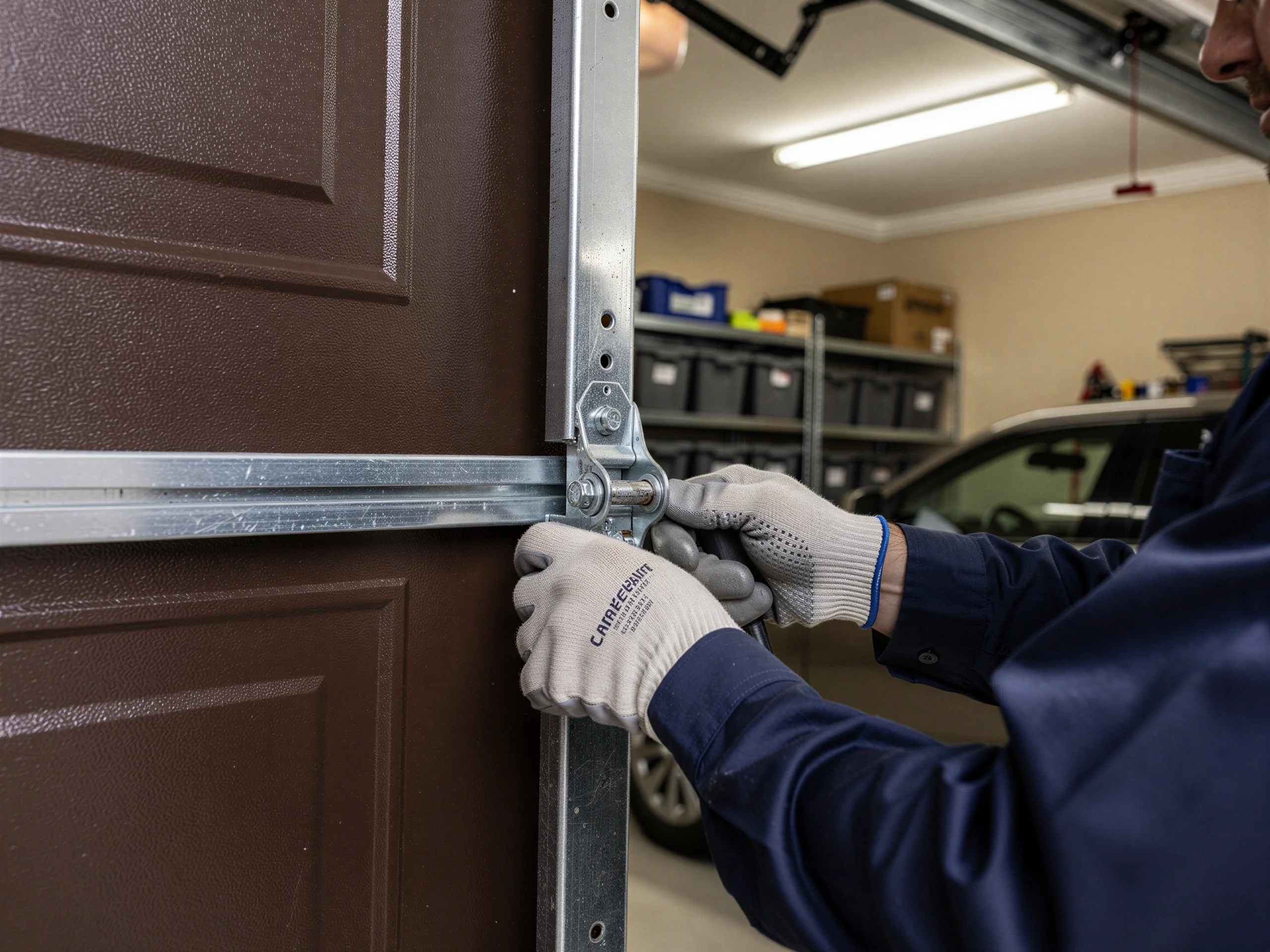
That distance doesn't change what you can safely fix yourself, but it does change the math on waiting for a part versus just doing the five-minute job that's actually safe for a homeowner. You can clear the tracks, tighten loose hinge bolts, lubricate rollers, and replace weatherstripping without calling anyone.
Torsion springs off-limits
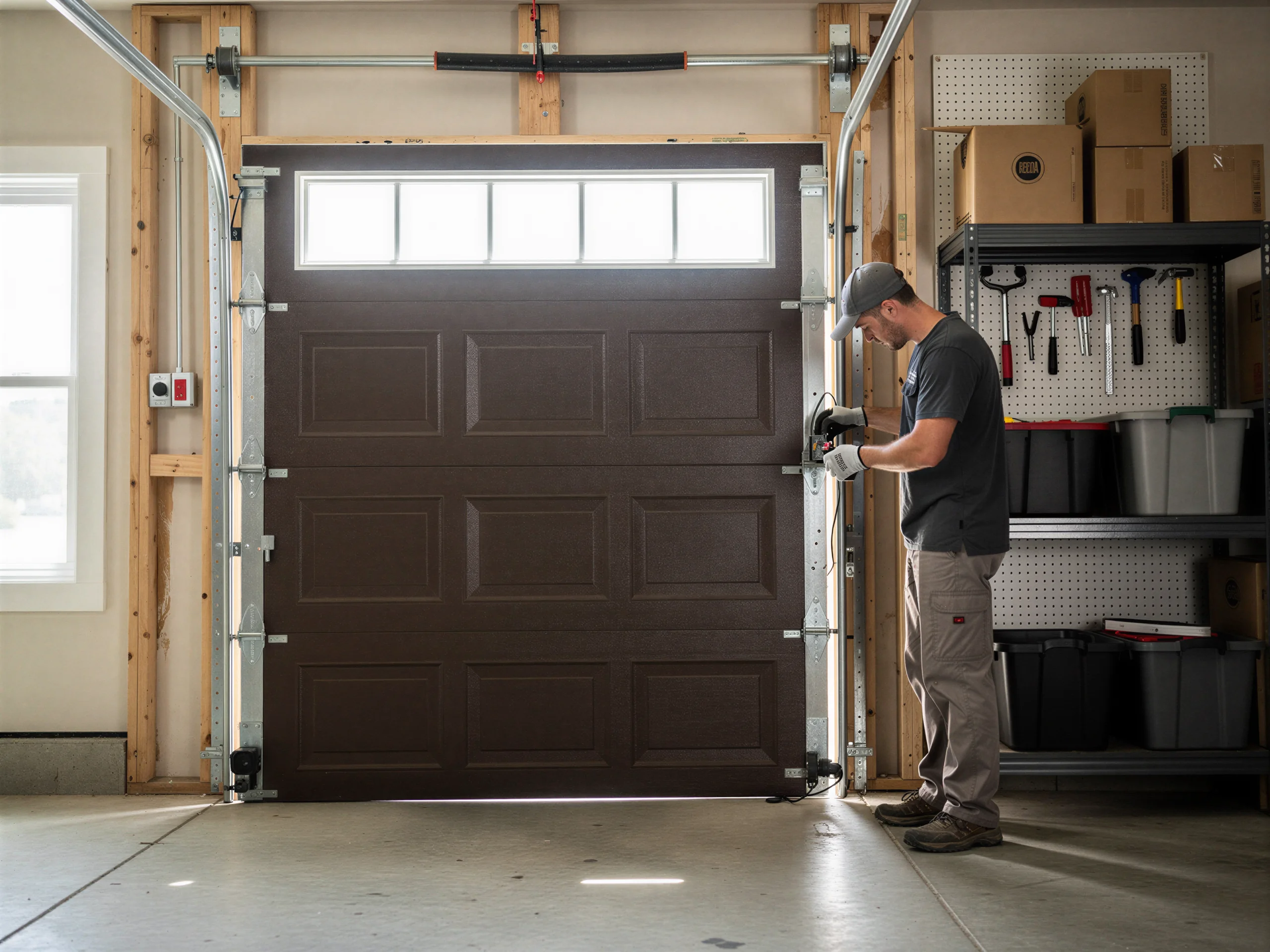
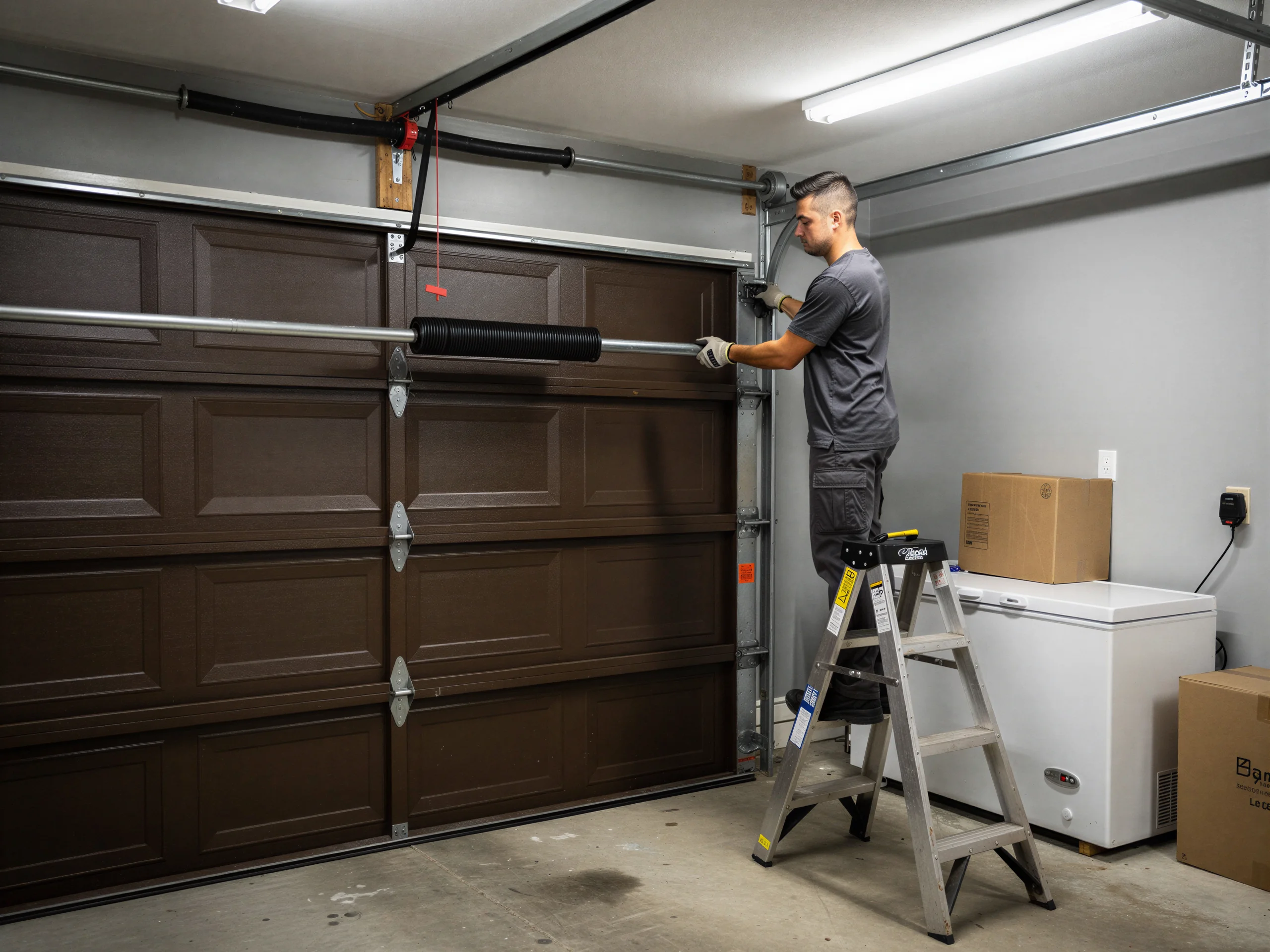
What you cannot safely do is touch a torsion spring. Those bars are wound under enough tension to break a wrist or worse, and on a door built in the 1960s stock common to this area, the spring is often original and under-rated for the door weight after decades of panel sag.
Drops faster, cable suspect
If the opener reverses randomly, or the door drops faster than it used to, that's a cable or spring problem, not a settings problem. Don't keep running the opener through it - that's how a cable snaps mid-lift with the door half-open.
The Cost of This Job
Glendora's median household income runs to $111,915, well above the $95,385 median across the wider service area this company covers. That matters less for what a repair costs and more for what homeowners here tend to choose when a repair and a replacement are both on the table - a full door swap gets picked more often than a patch job in a neighborhood where the income supports it.
We don't have a published price list to quote here, and pretending otherwise would be worse than saying nothing. What we can say is that a torsion spring job and a full panel replacement are priced very differently, and on a door from the 1960s-70s building wave that covers this area, the hardware is often old enough that a repair ends up costing close to what a new opener and spring set would run anyway. That's the honest trade-off to ask about on the call, not the trim or the color.
The Symptom
Most houses in Glendora date to right around 1964, square in the middle of the 1960s-70s building wave across this part of the service area.
Gradual wear, not snapping
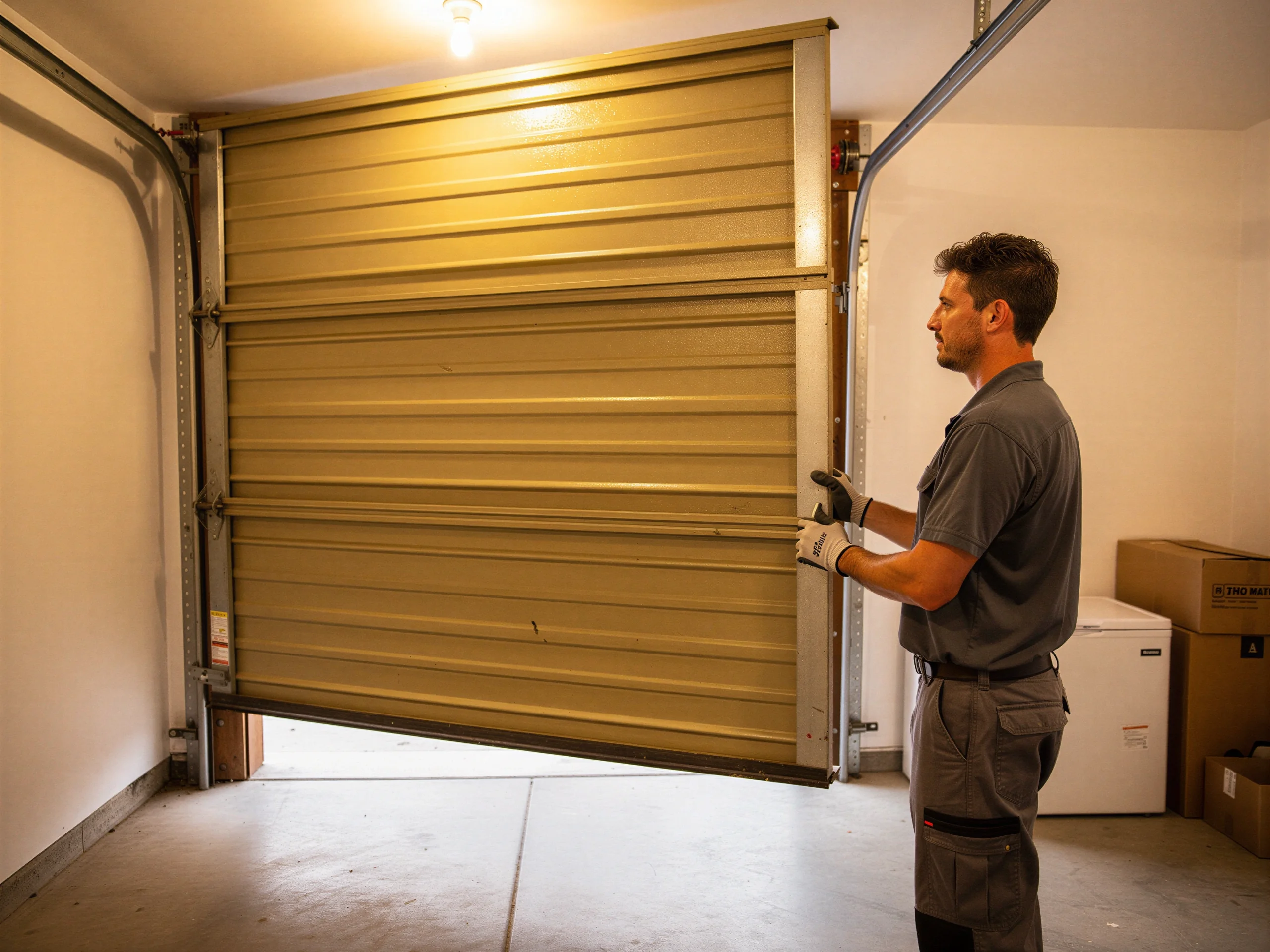
That means original one-piece steel doors on side-mounted torsion springs, or early sectional doors with hardware that nobody stocks new anymore. The symptom that shows up most on stock this old isn't the spring snapping outright - it's the slow sag.
Uneven closing, one side
The door starts closing unevenly, one side dropping before the other, and the opener starts straining on the up-cycle. That's worn cable or a spring that's lost tension over sixty years, not a motor problem, and running the opener harder to compensate just wears the gears faster.
Age fatigue, not weather
A mild temperate climate means this area isn't dealing with the extreme heat-cycling or hard freeze-thaw that cracks panels or warps wood doors elsewhere. The wear here is almost entirely mechanical fatigue from age and use, not weather damage - which is actually good news, because it means the door itself is usually salvageable even when the hardware isn't.
Time on the Job
A straightforward torsion spring swap on a double door runs a couple of hours once the truck is on site. Full panel or door replacement takes longer, especially on 1960s-era doors where the track and jamb hardware don't always match current standard sizing - that extra half hour of fitting is common on stock this old, less common on anything built after the 1990s.
The honest limitation: parts for some of the original hardware on doors this age aren't something we carry pre-stocked on the truck every time, because it isn't standard anymore. If the job needs a part outside the common sizes, that can mean a second trip rather than one visit start to finish. We'd rather tell you that up front on the call than show up and discover it with your door half-disassembled.
Getting It Booked In
Because the job comes from La Mirada, the drive itself is part of scheduling a Glendora call - at 19 miles out, it's not a same-hour add-on to a route that's already running in a closer suburb.
Booking ahead window
Booking ahead rather than calling same-day gets you a tighter window. When you call, have the door's approximate age and whether it's a single or double door ready.
Age guides spring gauge
For a house built in the 1964 range, telling us that up front lets the truck get loaded with the right spring wire gauge instead of guessing on arrival.
Area page references
You can see more on what this covers on the Glendora garage door repair page, and the full rundown of the company's home base and other services sits on the La Mirada page.
What Is on the Truck
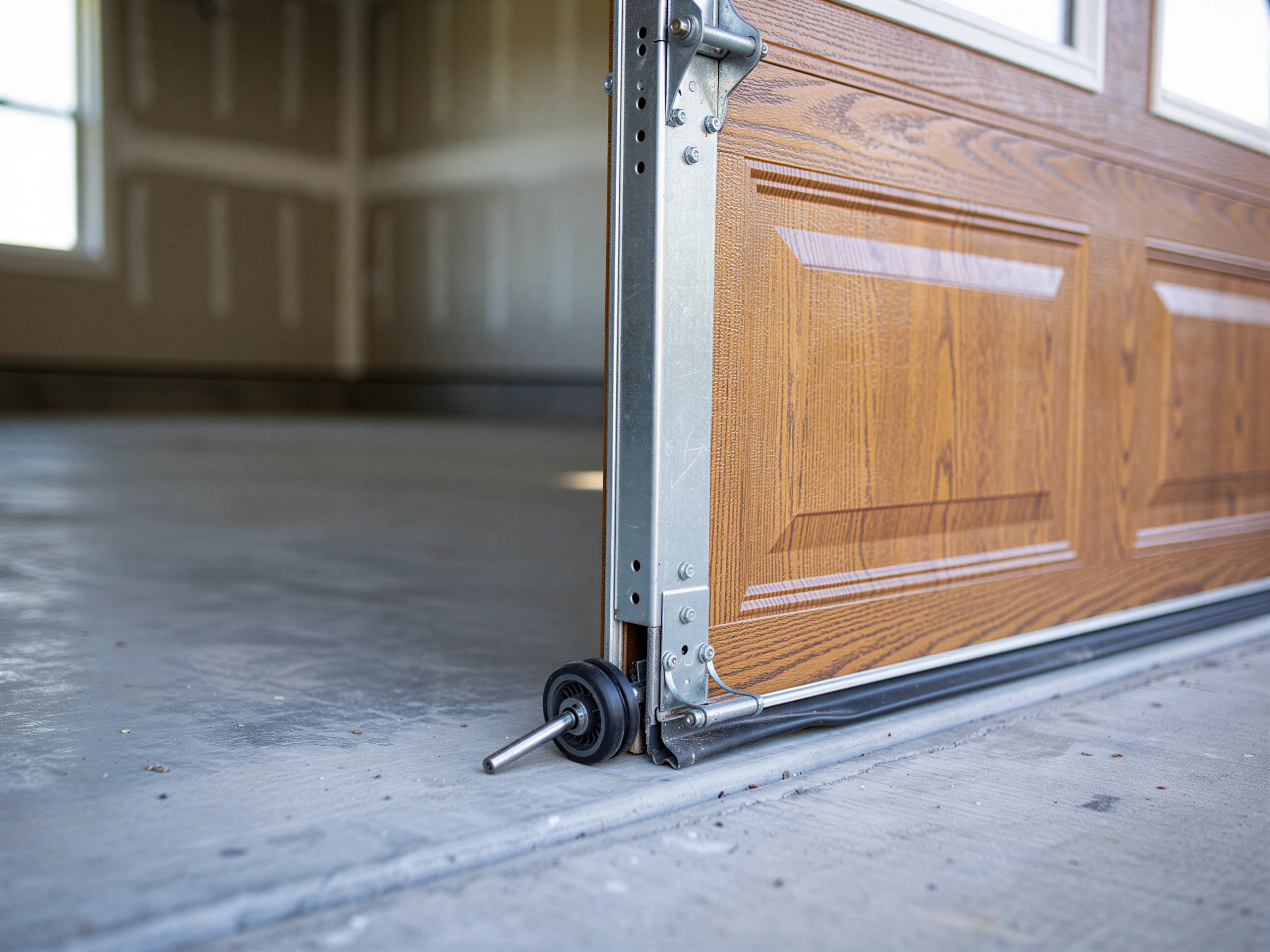
The truck carries the parts that match what actually breaks on 1960s-70s stock: torsion springs in the common residential wire gauges, standard roller and cable sets, and the hardware for section and track repair on steel doors from that era. It's built around the housing stock that's typical across this part of the service area, not around any one brand of opener.
What it doesn't carry is every obsolete part for every nonstandard original installation - some of the oldest jamb hardware and track hangers from houses built before the 1960s wave simply aren't made anymore, and if a Glendora job turns one up, that's the second-trip scenario mentioned above. Mild temperate weather here means no stock for snow-load reinforcement or extreme heat-rated seals, which some service areas in harsher climates need and this one doesn't.
Talk to a local pro
Garage door service in La Mirada?
Same-day service with honest, upfront quotes.