The Cost of This Job
Hacienda Heights has about 16,498 households, which is a fraction of the roughly 591,672 across the whole area this company works. That smaller number matters: it means the garage door calls here cluster around the same handful of problems rather than spreading across every era of house ever built.
Built around 1968
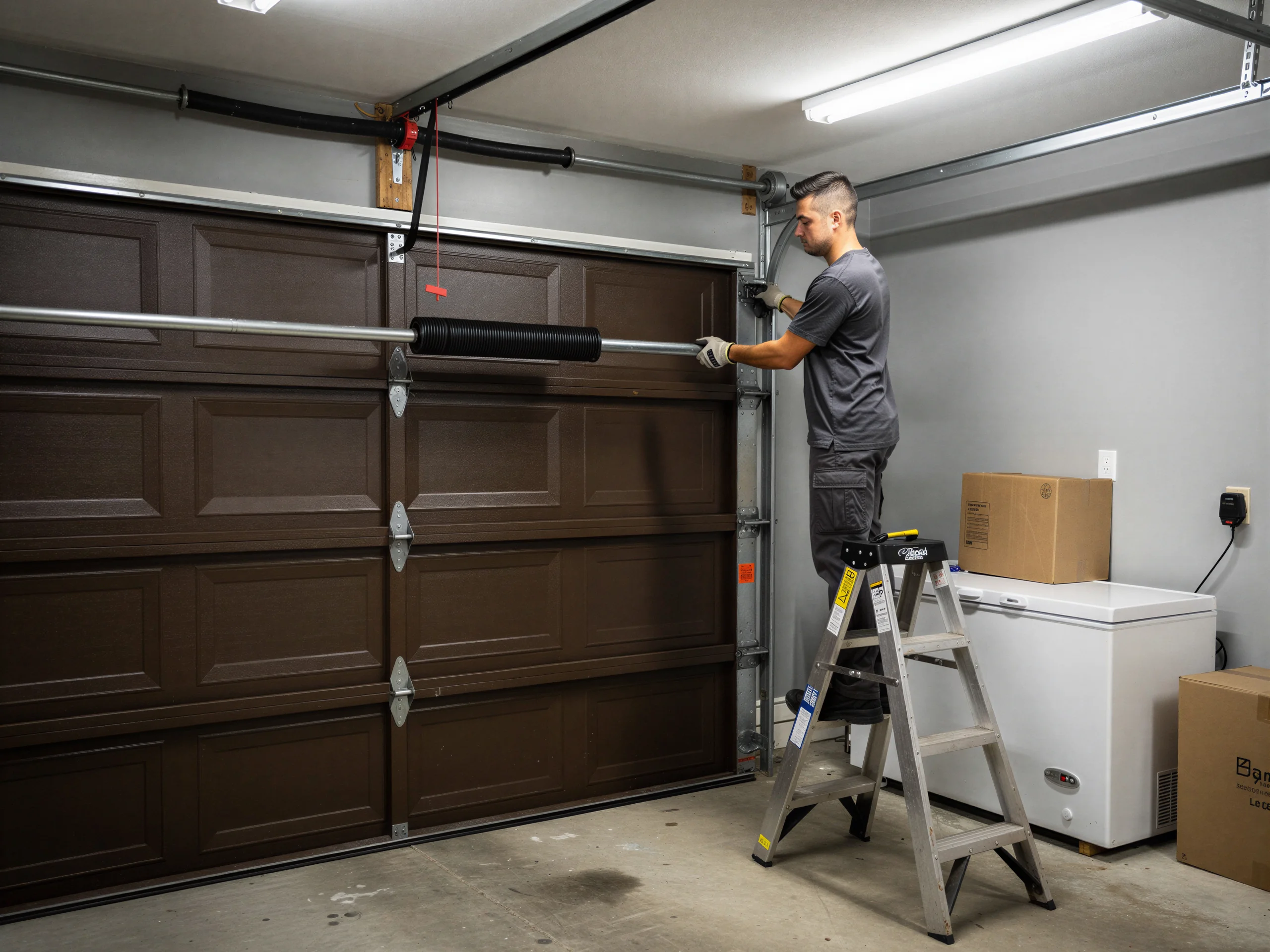
Most of this neighborhood went up around 1968, so the openers and torsion setups we run into are from a narrower window than you'd see in an area with mixed old-and-new stock. A broken torsion spring on a standard double door runs differently than a full opener swap, and a cracked panel is a different bill again.
Job decides the number
We don't publish flat prices here because the job in front of us decides the number - a 1968-era door with the original hardware still on it sometimes needs more than a spring, since the drum or the end bearing plate has worn alongside it.
Pay once, fix right
The income figures for the area ($106,620 median) tell us homeowners here are often ready to pay for the right fix once, rather than the cheapest patch, and we price the call accordingly: parts plus labor, no surprise add-ons once the truck is already in the driveway.
What the Fix Involves
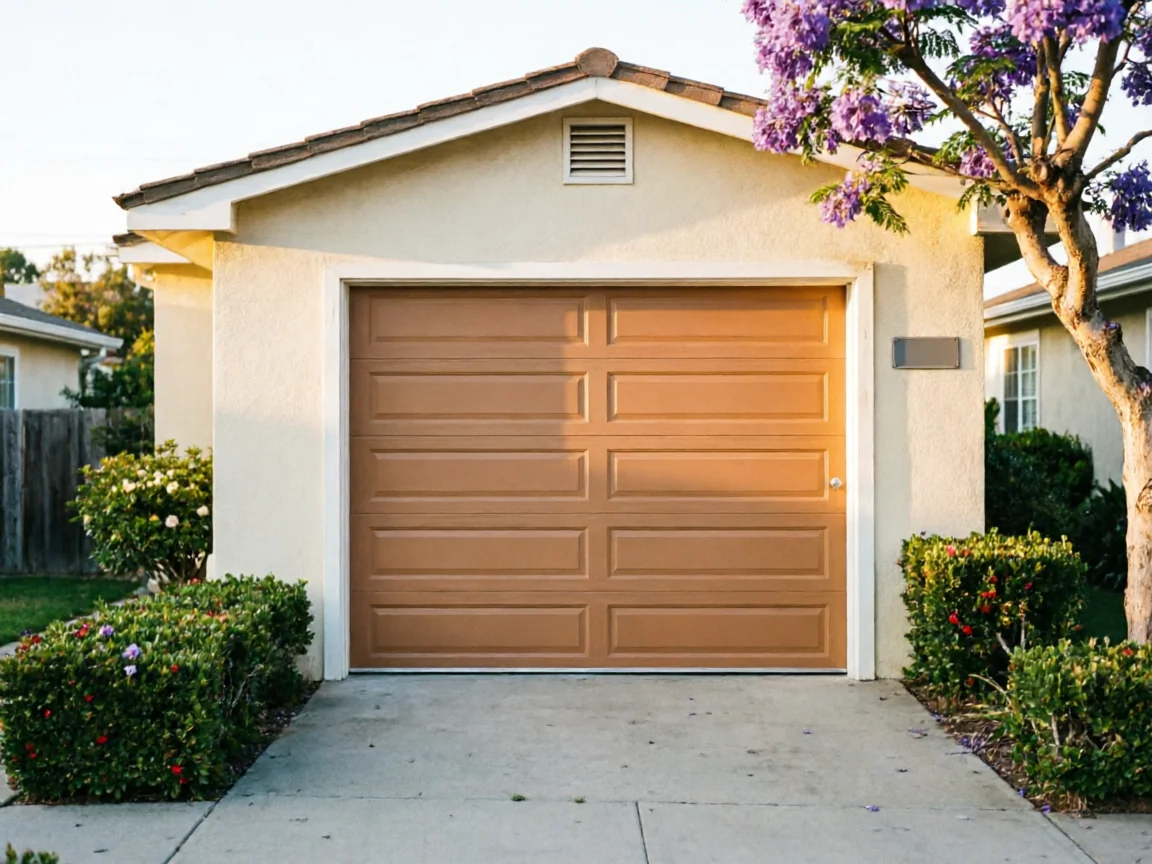
Houses built around 1968 in this part of the service area typically carry torsion spring systems rather than the older extension-spring setups, but the drums, end bearings, and sometimes the track brackets are originals.
Mismatched hardware generations
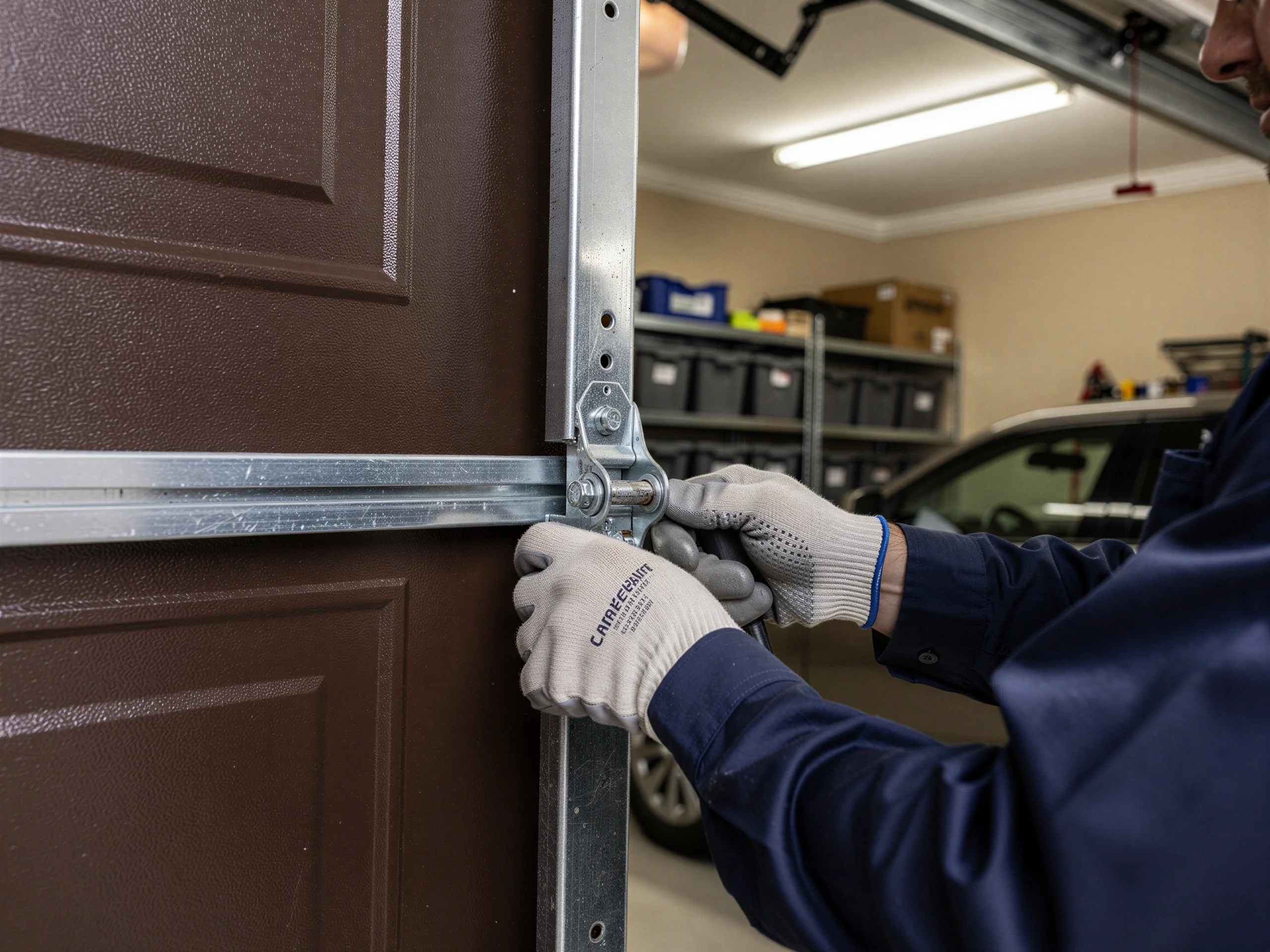
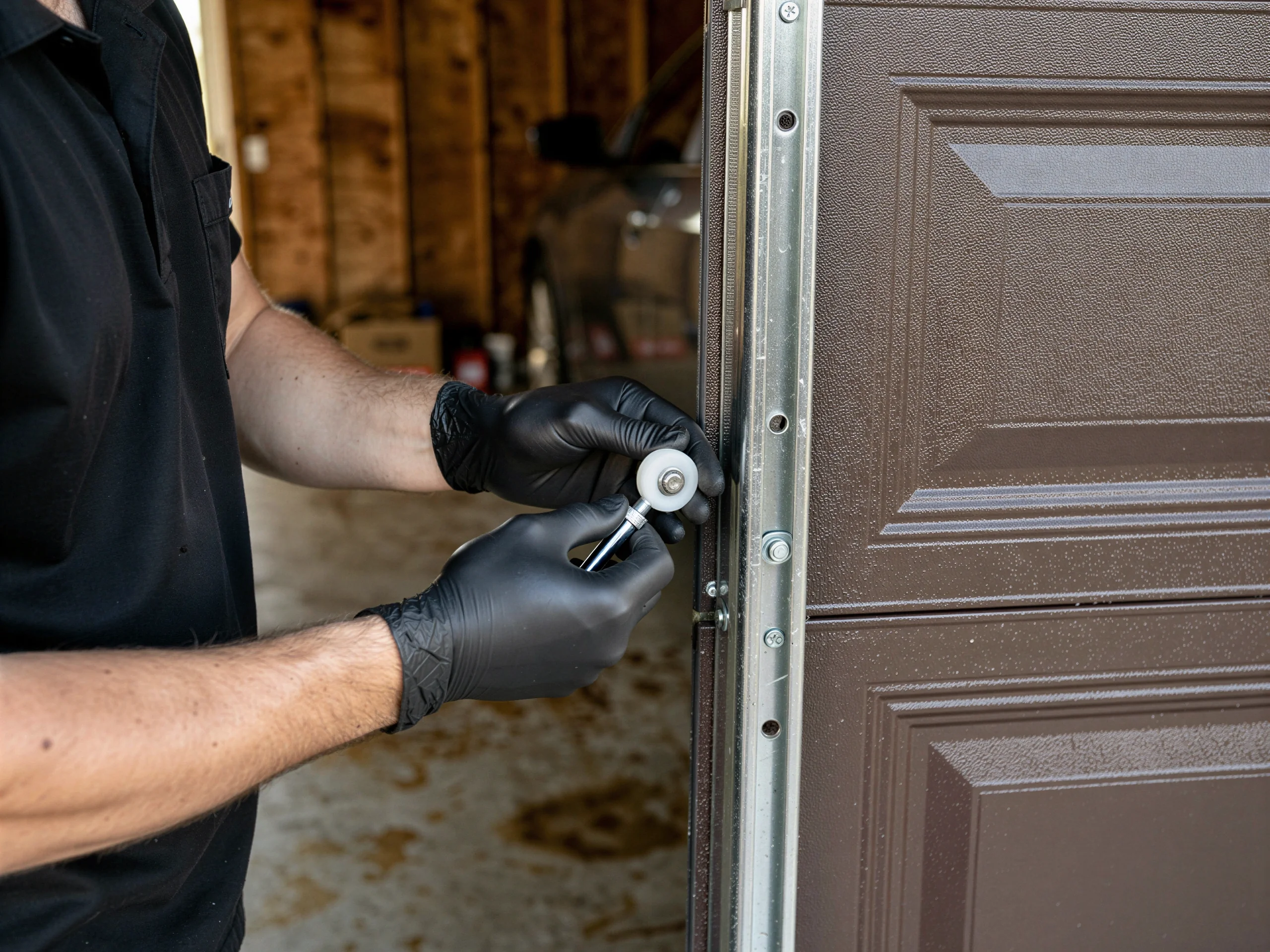
A straightforward spring swap on a door like that is usually quick. What slows the job down is when the opener has been replaced once already but the track and rollers haven't - mismatched generations of hardware on the same door.
Diagnose before touching spring
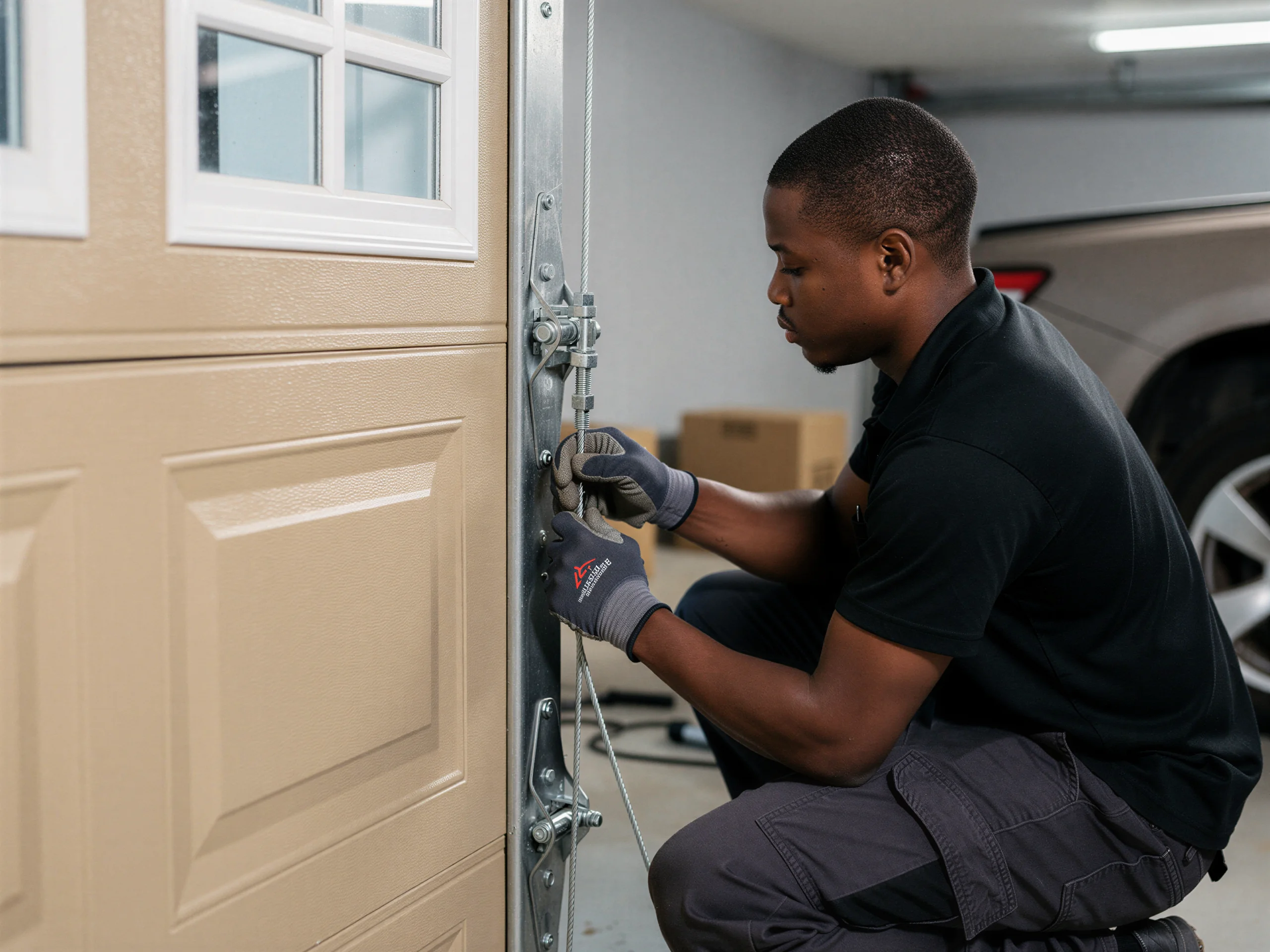
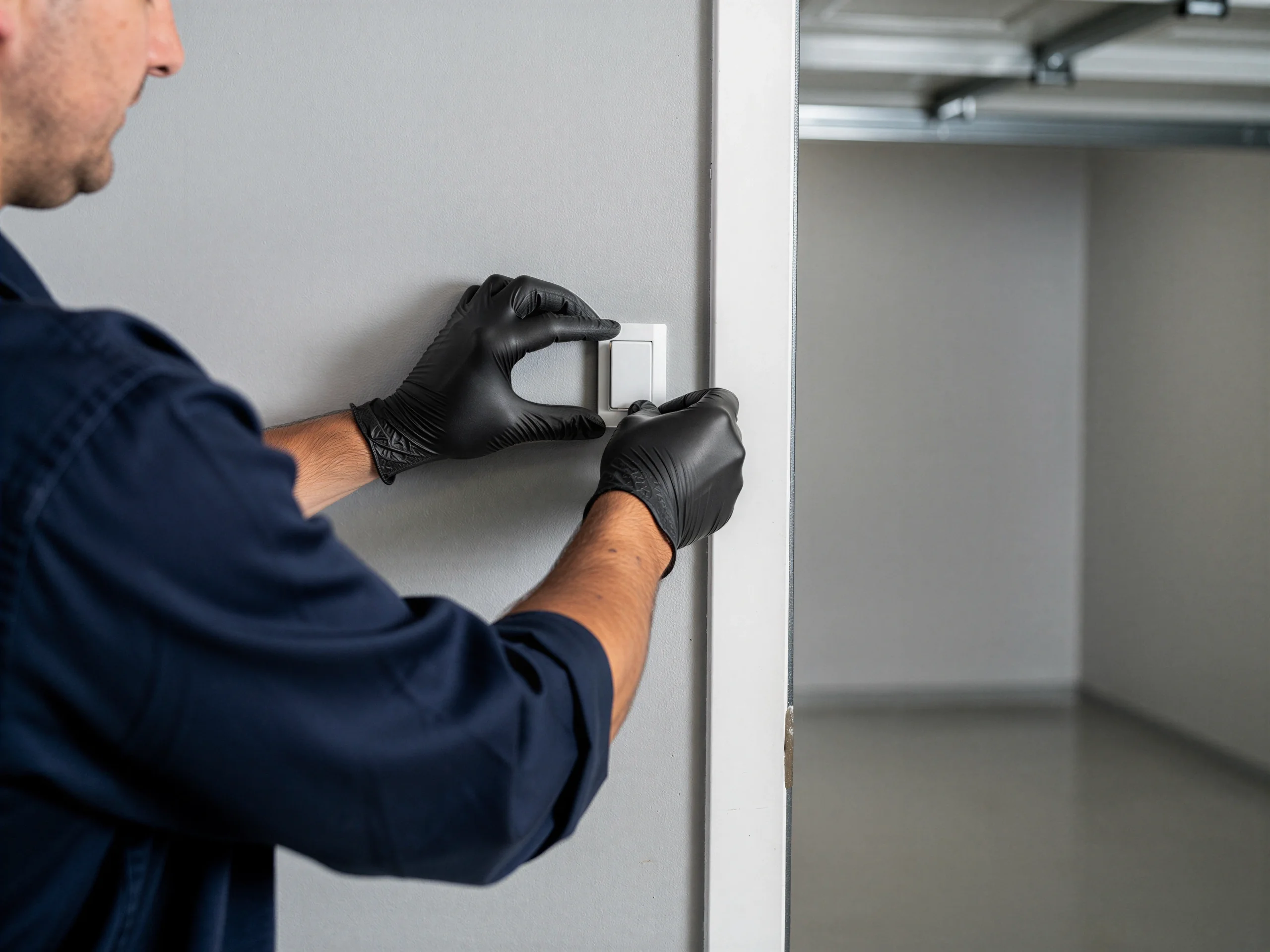
We check the whole system before we touch the spring: cable condition, track alignment, the condition of the rollers, and whether the opener's force settings have drifted enough to be straining the spring that just failed.
Thousands of cycles
On a mild-climate door like the ones common here, rust and weather damage aren't usually the driver of failure - fatigue from thousands of open-close cycles over 50-plus years is. That's a different diagnosis than you'd get in a place with harsher winters, and it changes what we recommend: often a spring and roller job, not a full replacement.
Getting It Booked In
We run this call from La Mirada, about 7 miles out. That's a short run, but it's not a branch office sitting in Hacienda Heights, so we book the job like any other stop on the route rather than promising a same-hour arrival we can't back up. Tell us what the door is doing - won't open, won't close, makes a bang and stops, opener runs but the door doesn't move - and we bring the parts that problem usually needs.
If you know the age of the house, that helps us guess the hardware before we're standing in front of it. A door on a house from the late 1960s is a different setup than one on a house built in the 1990s, and we'd rather show up with the right spring size than make a second trip.
What Is on the Truck
For a neighborhood built mostly in the 1968 range, the truck carries torsion springs in the sizes that era of door commonly uses, standard rollers and cables, and openers that work with older rail and bracket configurations.
Unusual panel ordering
We don't carry every spring size for every door ever made - if the job turns out to be an unusual or discontinued panel style, that part may need to be ordered, and we'll tell you that on the spot rather than pretend otherwise.
No cold-weather kits
Mild temperate weather here means we're not stocking cold-weather lubricant or heavy weatherstripping kits the way a truck running colder climates would. That's one less thing to carry, and it's also a sign the failures we see are mechanical fatigue, not weather damage - which changes what gets replaced versus just serviced.
Why This Fails Locally
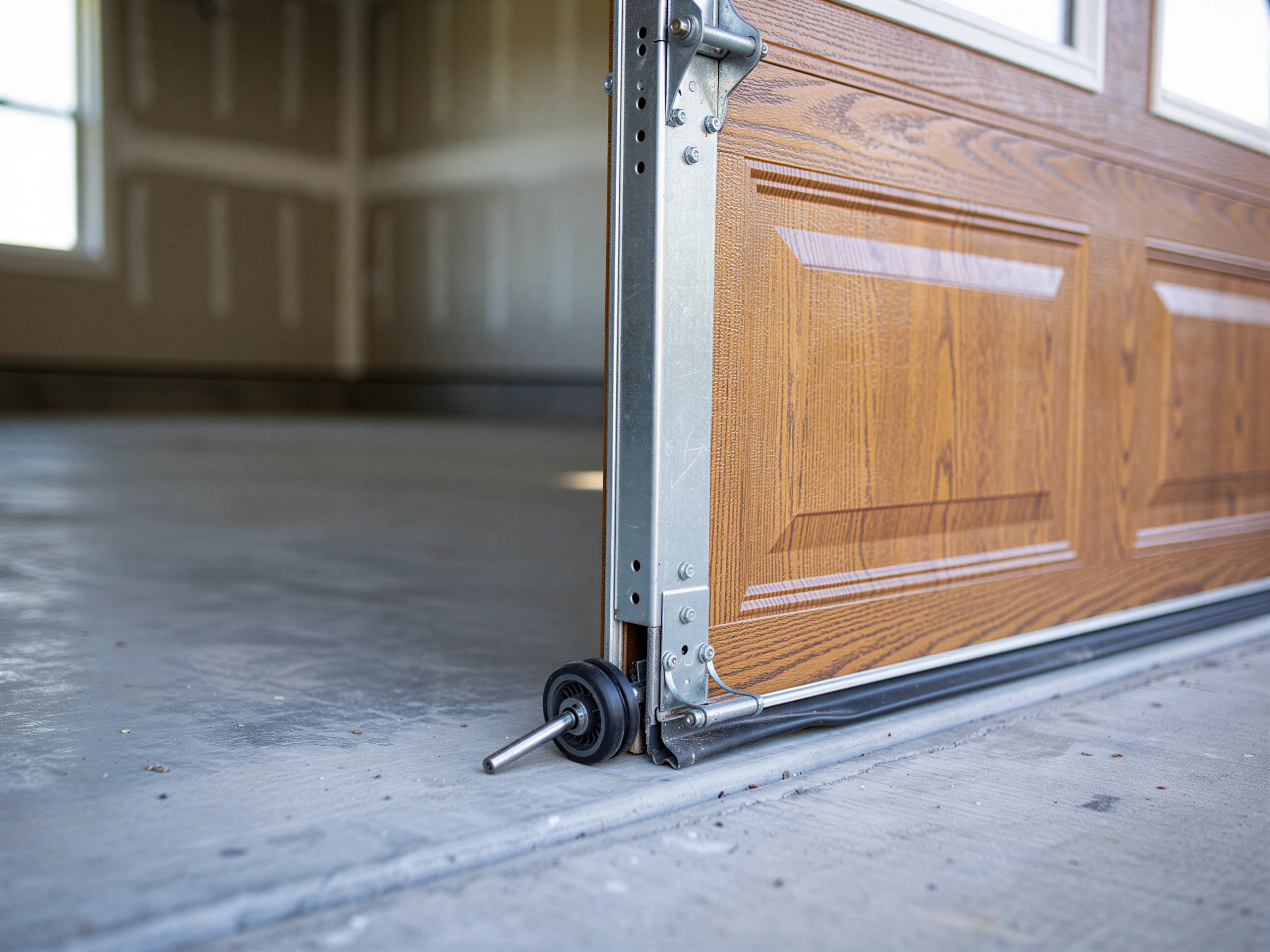
A door that's been opening and closing on the same spring and rollers since roughly 1968 has a lot of cycles behind it - that's the plain reason these systems fail here, not storm damage or extreme heat, since the area sits in a mild band. The failure point is almost always fatigue: a spring that's been wound and released tens of thousands of times, or a roller that's worn its track groove uneven.
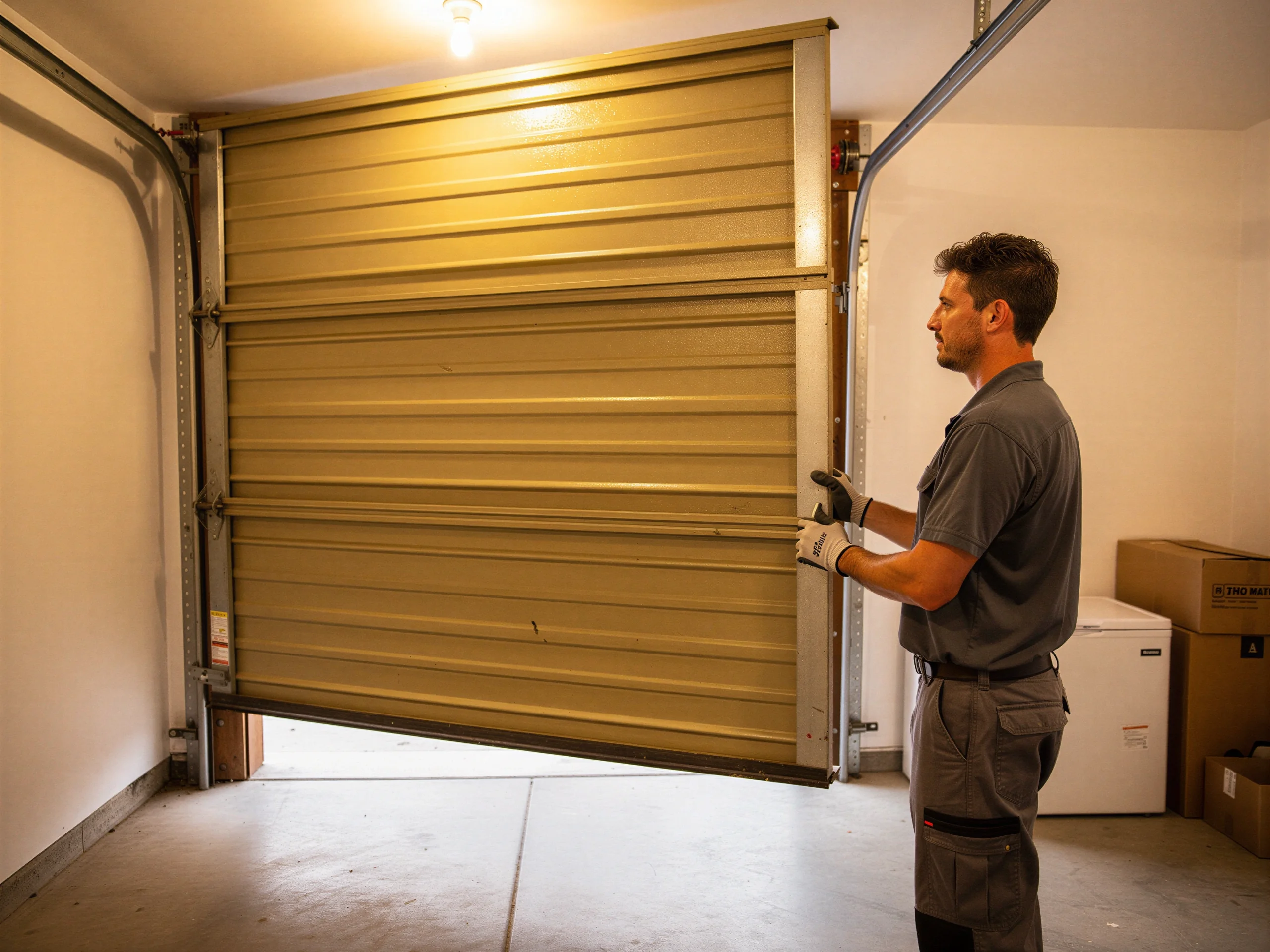
We won't tell you a repair is a bad idea just to sell a replacement - plenty of 1968-era doors are solid once the worn parts are swapped. But if the track itself is bent, or the door is an older style the manufacturer stopped supporting, replacement is the honest answer even though it costs more upfront. We'll say so rather than keep patching a door that's going to keep failing.
Talk to a local pro
Garage door service in La Mirada?
Same-day service with honest, upfront quotes.