The Cost of This Job
The typical Hacienda Heights home went up around 1968, which puts the original garage door hardware past its working life by now. Doors from that build year almost always shipped with a torsion spring mounted on a single shaft above the opening, not the older paired extension springs you'll find on earlier post-war tracts closer to the coast. That matters for cost because torsion setups need the shaft pulled and the drums reset, not just a spring swapped off a hook.
We don't quote a number over the phone without knowing the door weight and whether it's single or double car, since a 16-foot double takes a heavier spring and sometimes two. With median household income in this area running higher than much of the broader service area, we see more owners choosing to replace both springs at once rather than patch the one that broke, so the second one doesn't go six months later. That's a judgment call we lay out on site, not a markup we push.
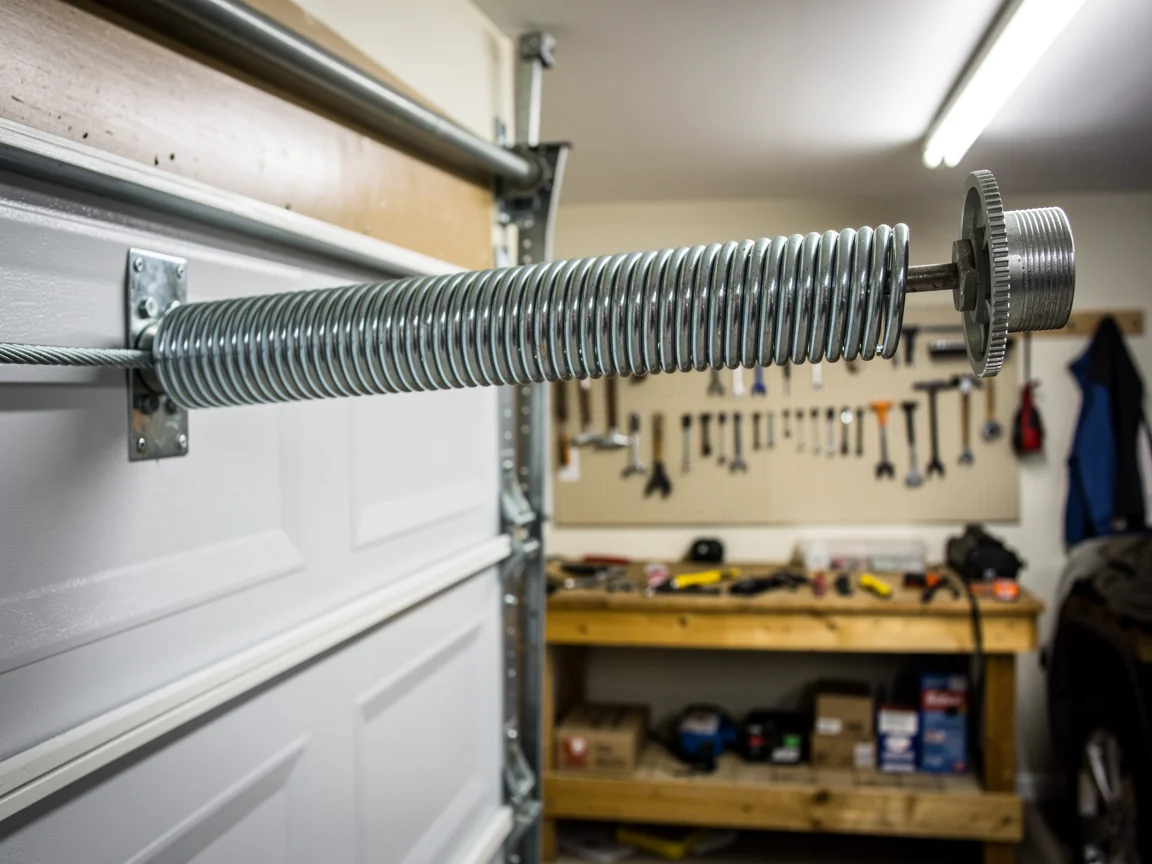
What the Fix Involves
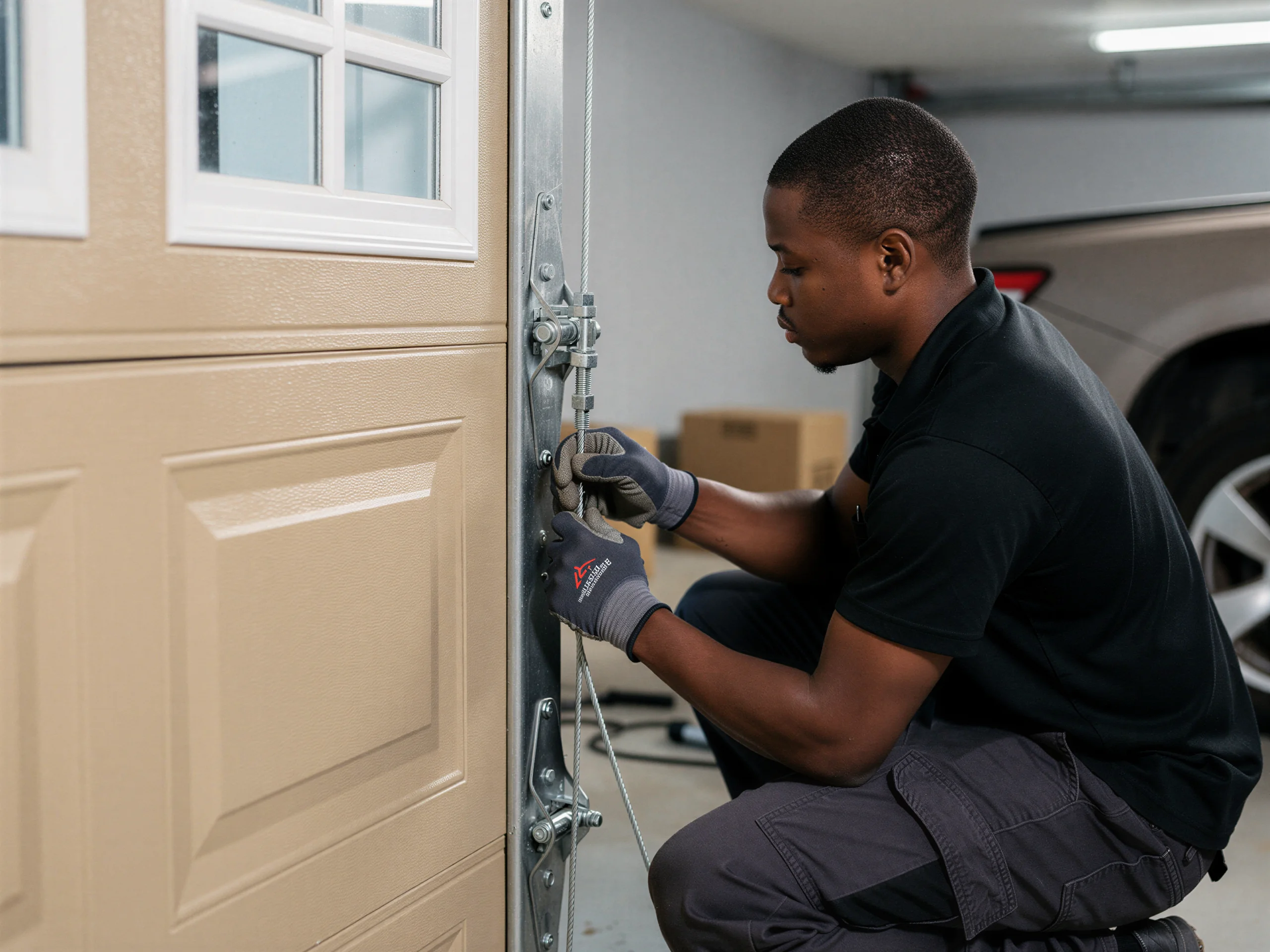
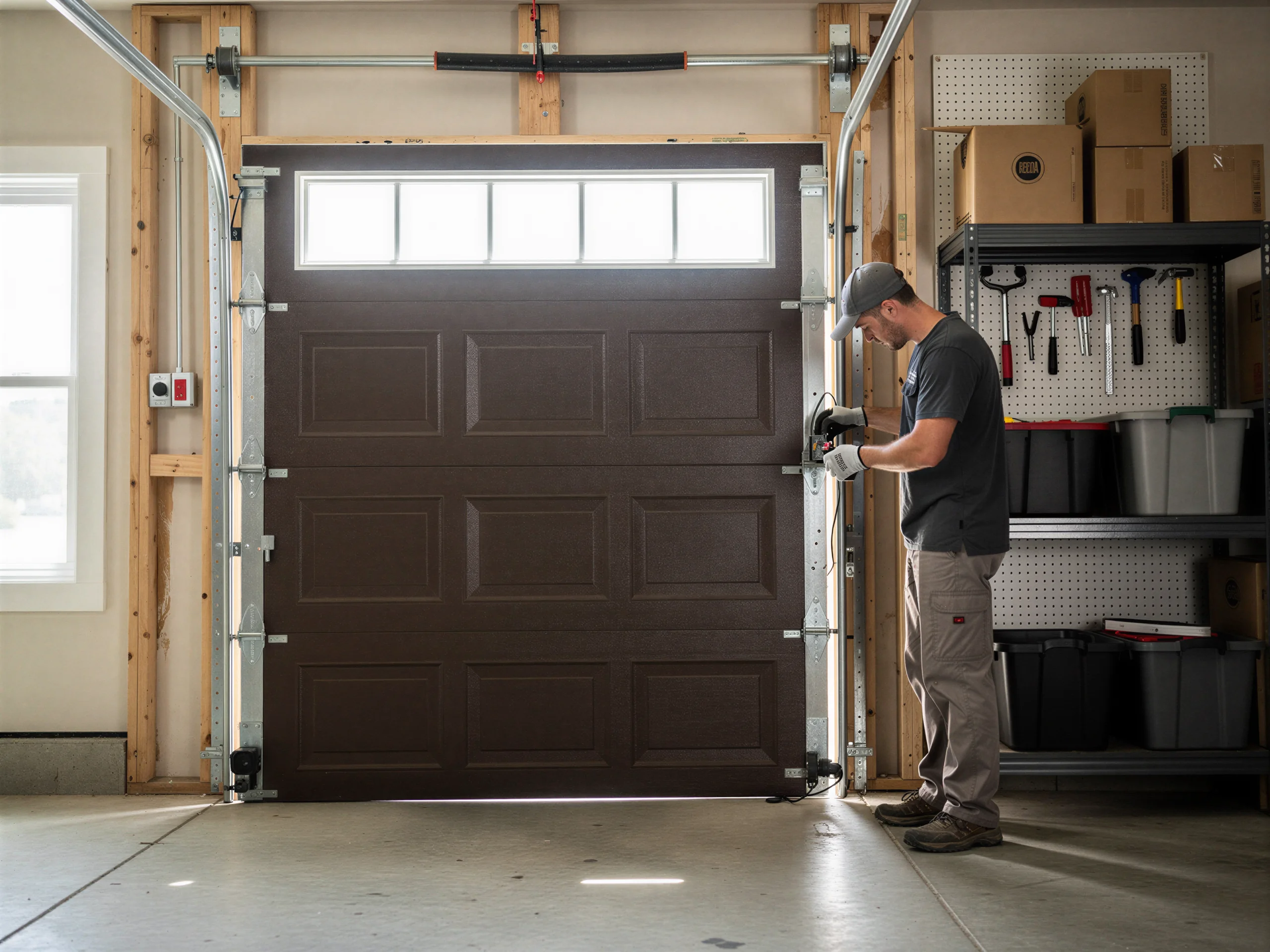
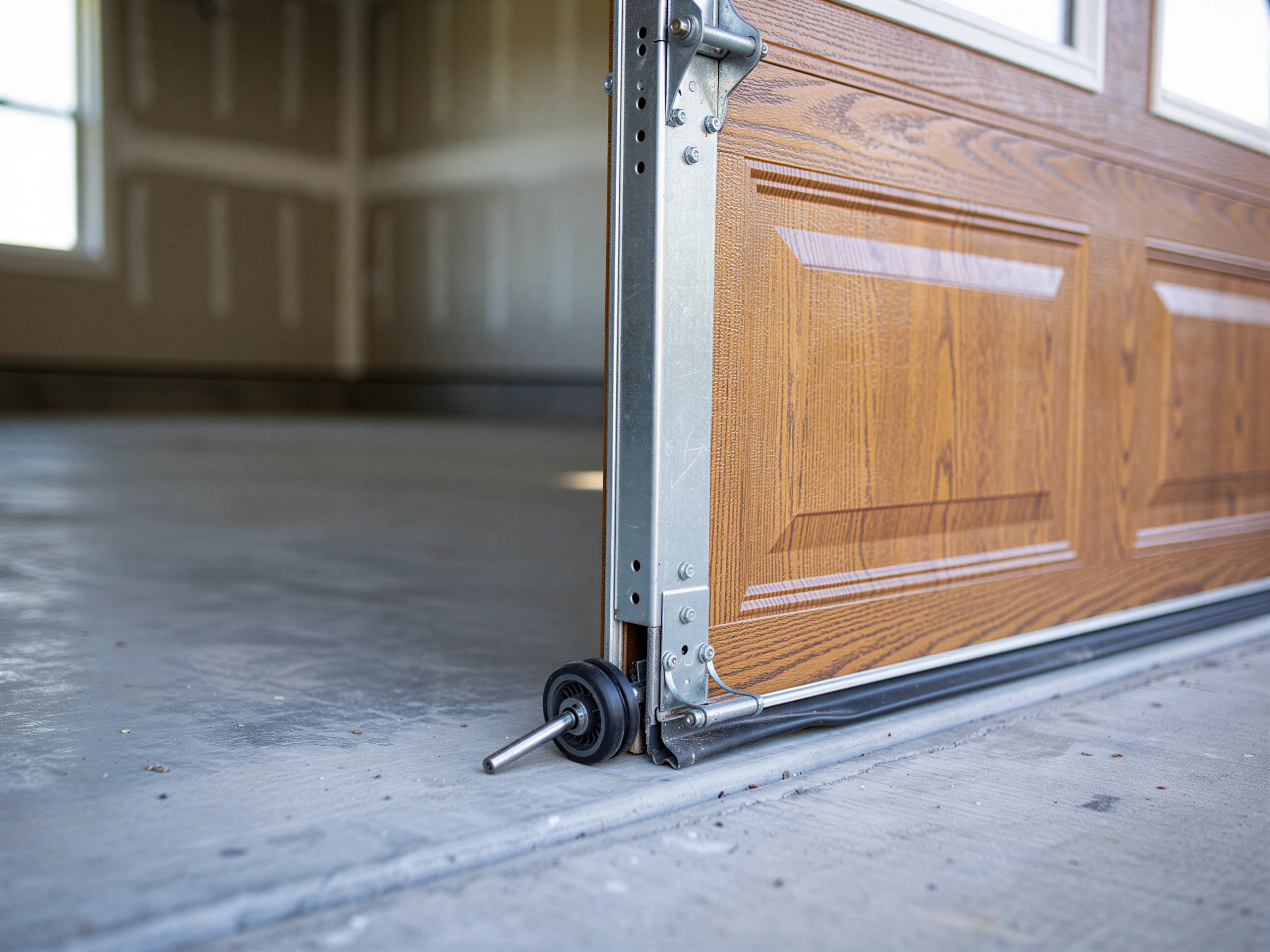
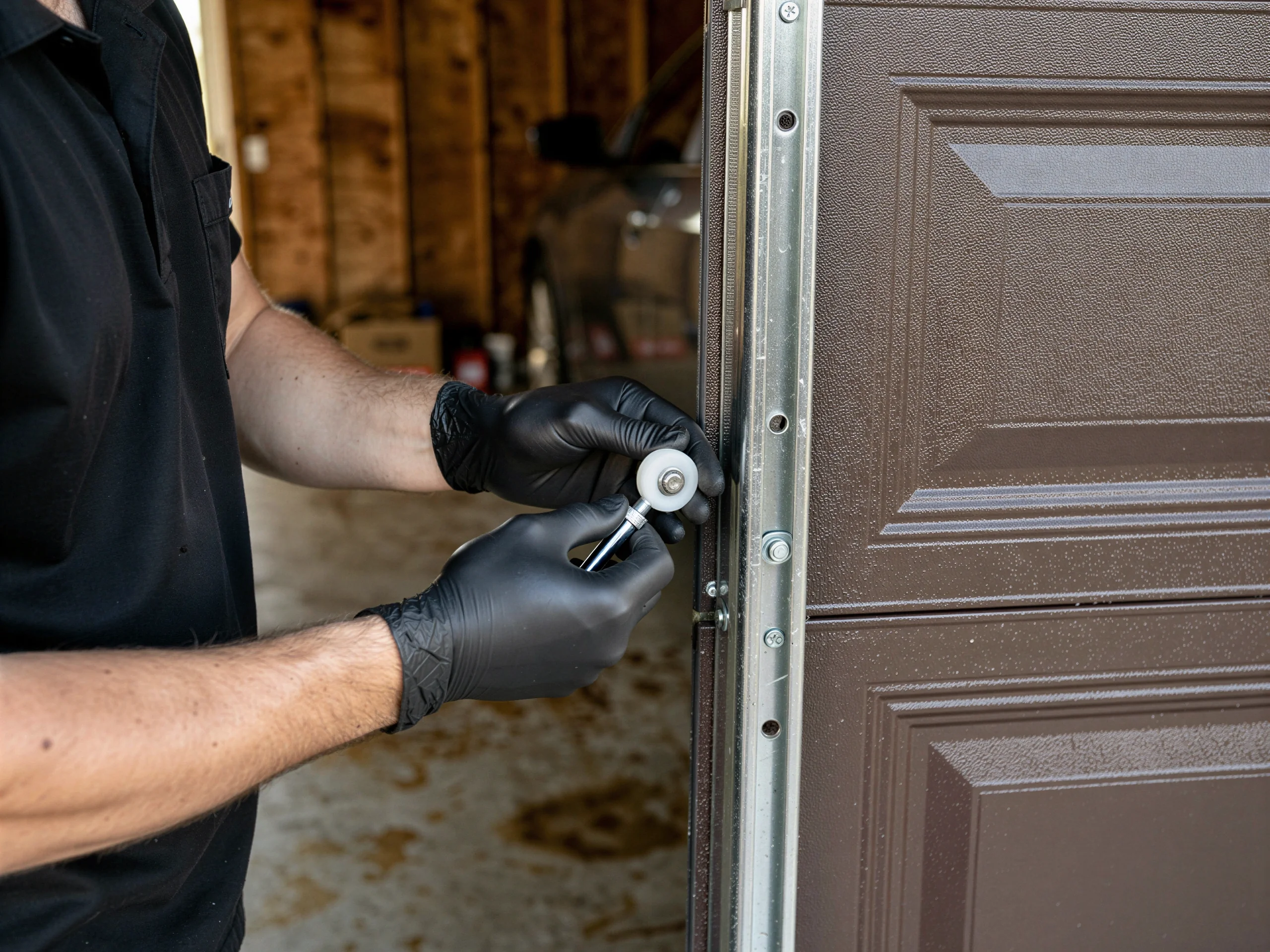
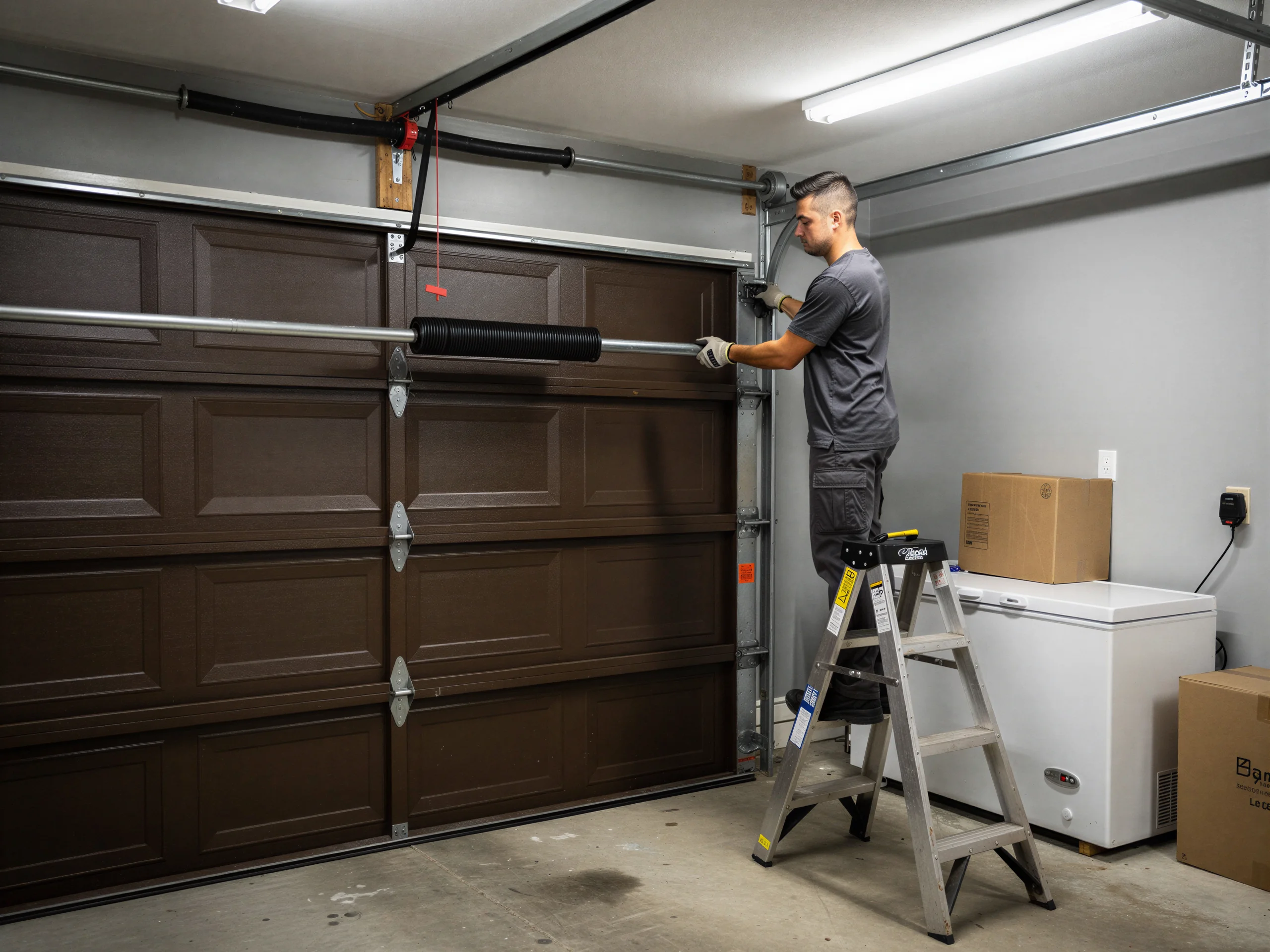
On a torsion system, the job starts with winding down the remaining tension safely, pulling the old shaft and cable drums, and checking the bearing plates for wear before anything new goes up.
Undersized center bracket
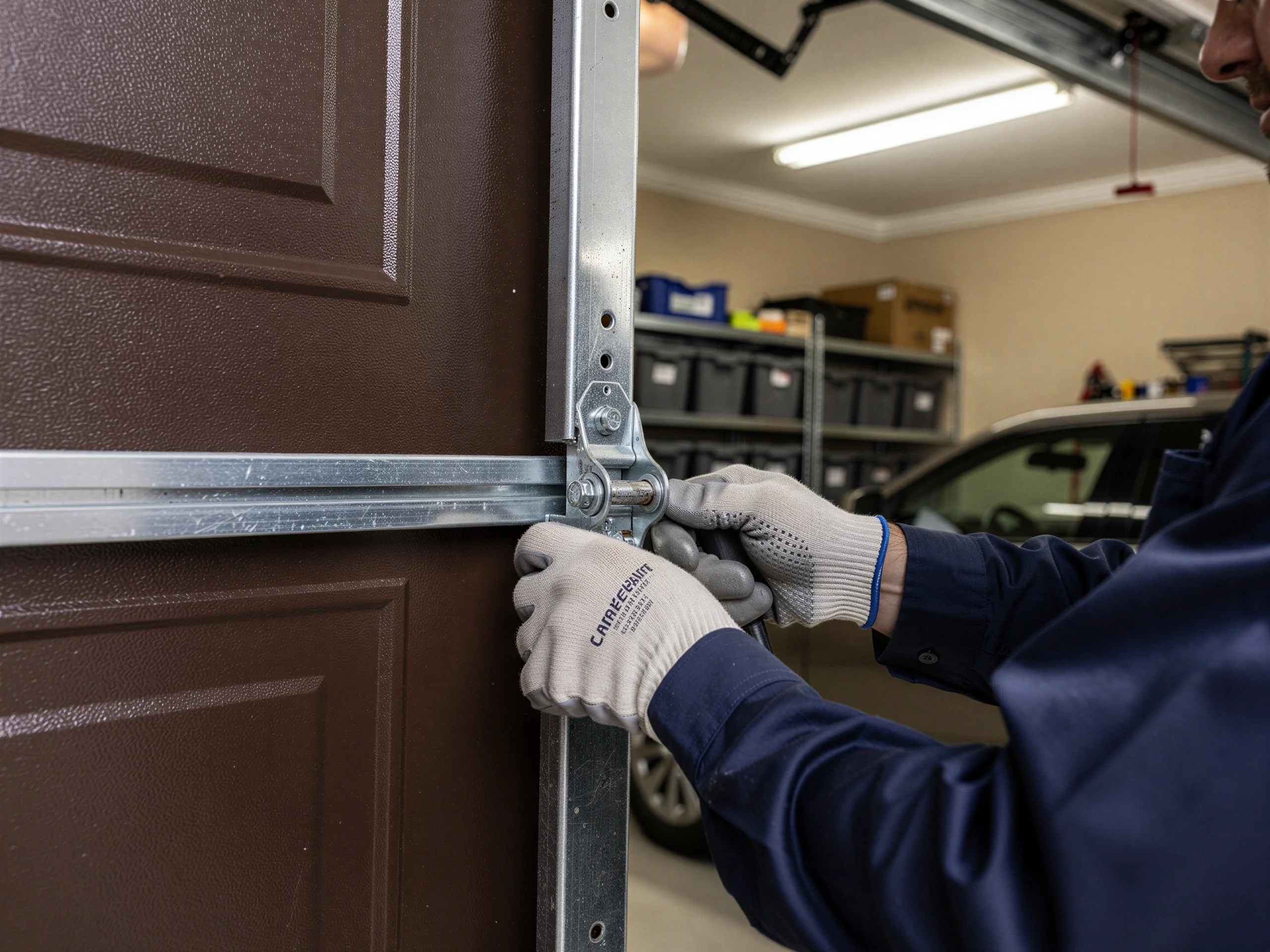
A 1968-era door that's never been touched usually has the original center bracket, which is often undersized for the wind load specs doors are built to now, so we swap it when we're in there rather than bolt a new spring to a tired bracket.
Size to real weight
We size the replacement to the door's actual weight and cycle count, not just by matching the broken one, since a lot of these doors have had panels replaced over the decades and no longer weigh what the original spec called for.
Mid-travel balance check
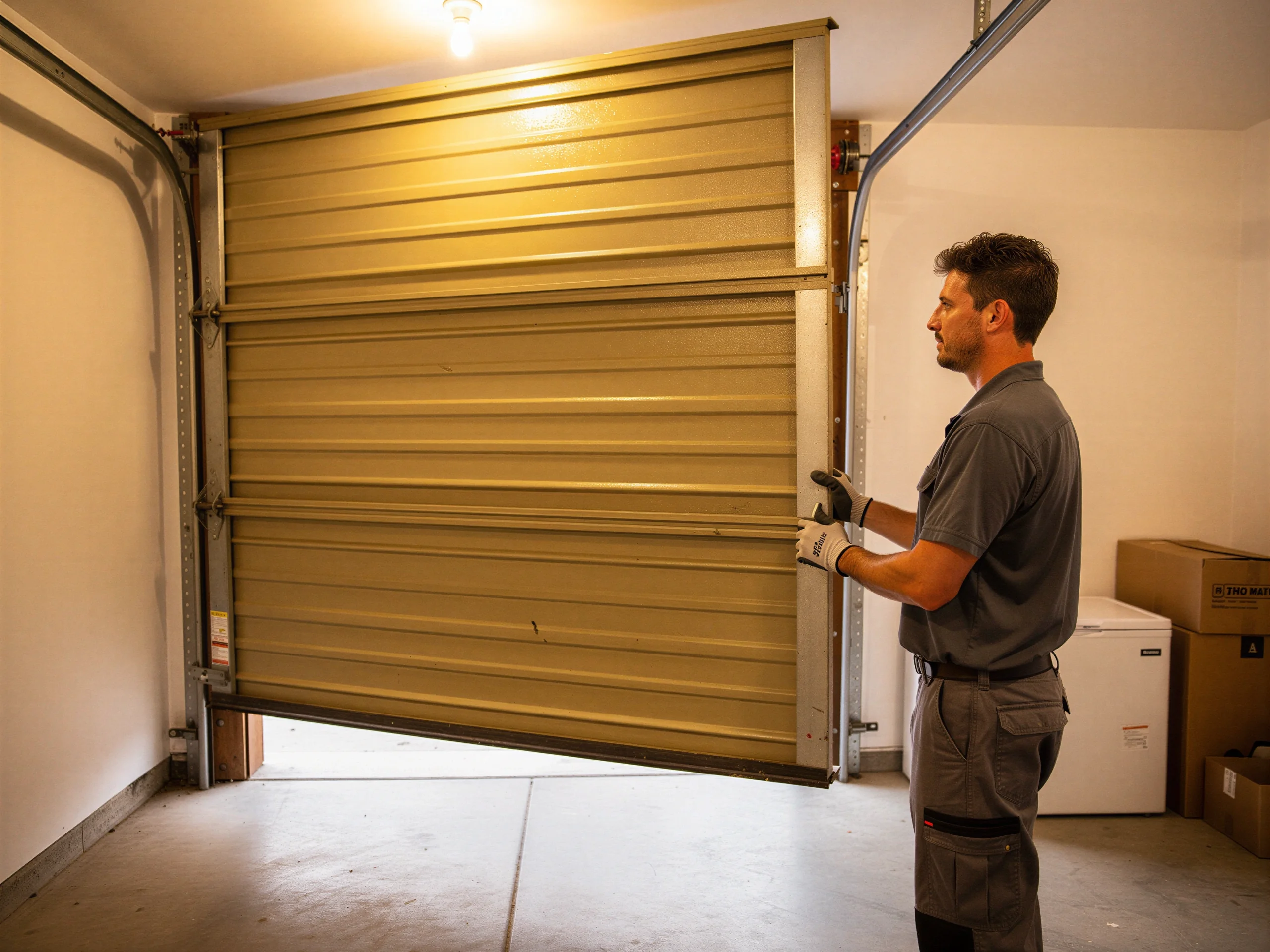
Once the new spring is wound to the right number of turns, we run the door a dozen times and check the balance by hand, letting it sit at mid-travel without the opener holding it. If it drifts, the spring isn't right yet, and we adjust before we call it done.
Getting It Booked In
We cover Hacienda Heights from our shop in La Mirada, about 7 miles out, so a job here gets scheduled on the same run as calls in the nearer parts of the service area rather than dispatched from a local branch, because there isn't one. We don't promise a same-day window on the phone; we tell you where you land in the day's route once we've got the details on the door.
For a stuck door where the spring broke and the car's inside, we ask for that up front and move it up the list where we can. A straightforward single-spring swap on a known door size we can usually commit to sooner than something where the door's never been serviced and the hardware's a question mark until we're standing in front of it.
What Is on the Truck
We stock the torsion spring sizes that cover most of the housing built across this area's 1960s and 70s wave, since that's the dominant stock across the 65 named communities we work.
Standard wire gauge carried
For Hacienda Heights specifically, that means we're usually carrying the right wire gauge and length for a standard single or double door of that era without needing to special-order.
Nonstandard spring limits
What we don't carry on every truck is a spring for a nonstandard opening, a converted carriage door, or a shaft length outside the common range, because stocking every size for 233,429 owner-occupied houses across the region isn't practical.
Order-and-return limitation
If your door falls into that bracket, we'll order it and come back, which is the one real limitation here worth saying plainly rather than promising a fix on the first visit we can't back up.
Why This Fails Locally
This area sits in a mild temperate band, so the spring failures we see here aren't the freeze-and-snap kind some regions deal with. What wears a spring out in a climate like this is straight cycle count: sun on a south-facing door, daily use, and galvanized coating that slowly degrades with UV exposure rather than ice.
A spring installed when a Hacienda Heights home was built in the 1960s has had roughly five and a half decades to rack up wind cycles, and most were never rated to last that long in the first place; 10,000 cycles was a common spec, and a door used twice a day gets there well before the 50-year mark. That's the actual failure pattern here, not a weather event, and it's why we see more springs going on houses from that build wave than on anything built in the last twenty years.
Talk to a local pro
Garage door service in La Mirada?
Same-day service with honest, upfront quotes.