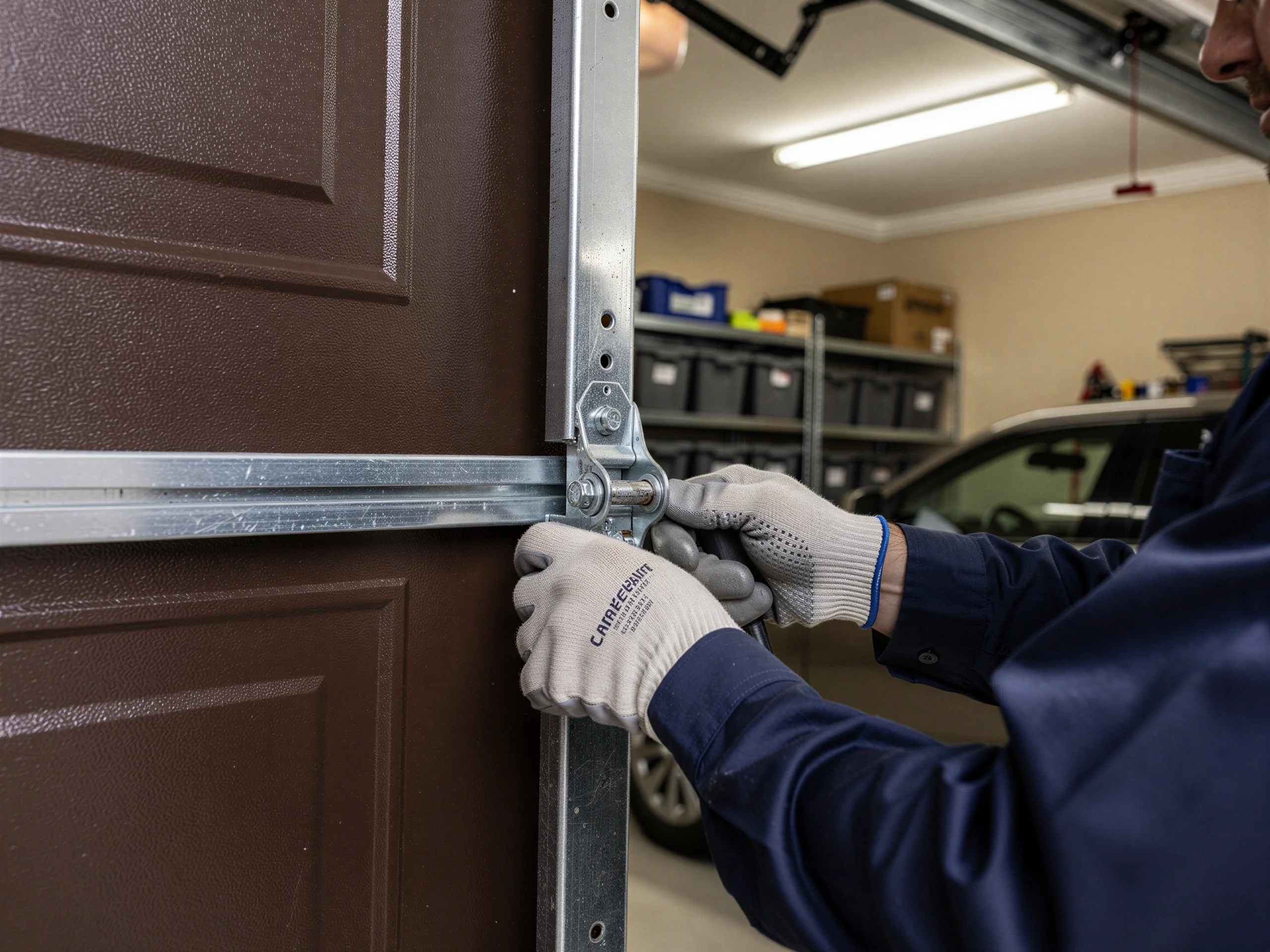
The Cost of This Job
We don't post a flat number for Diamond Bar jobs because what a door needs depends on what's actually broken, and we haven't got a published price list to hand you here.
Tiered repair cost ladder
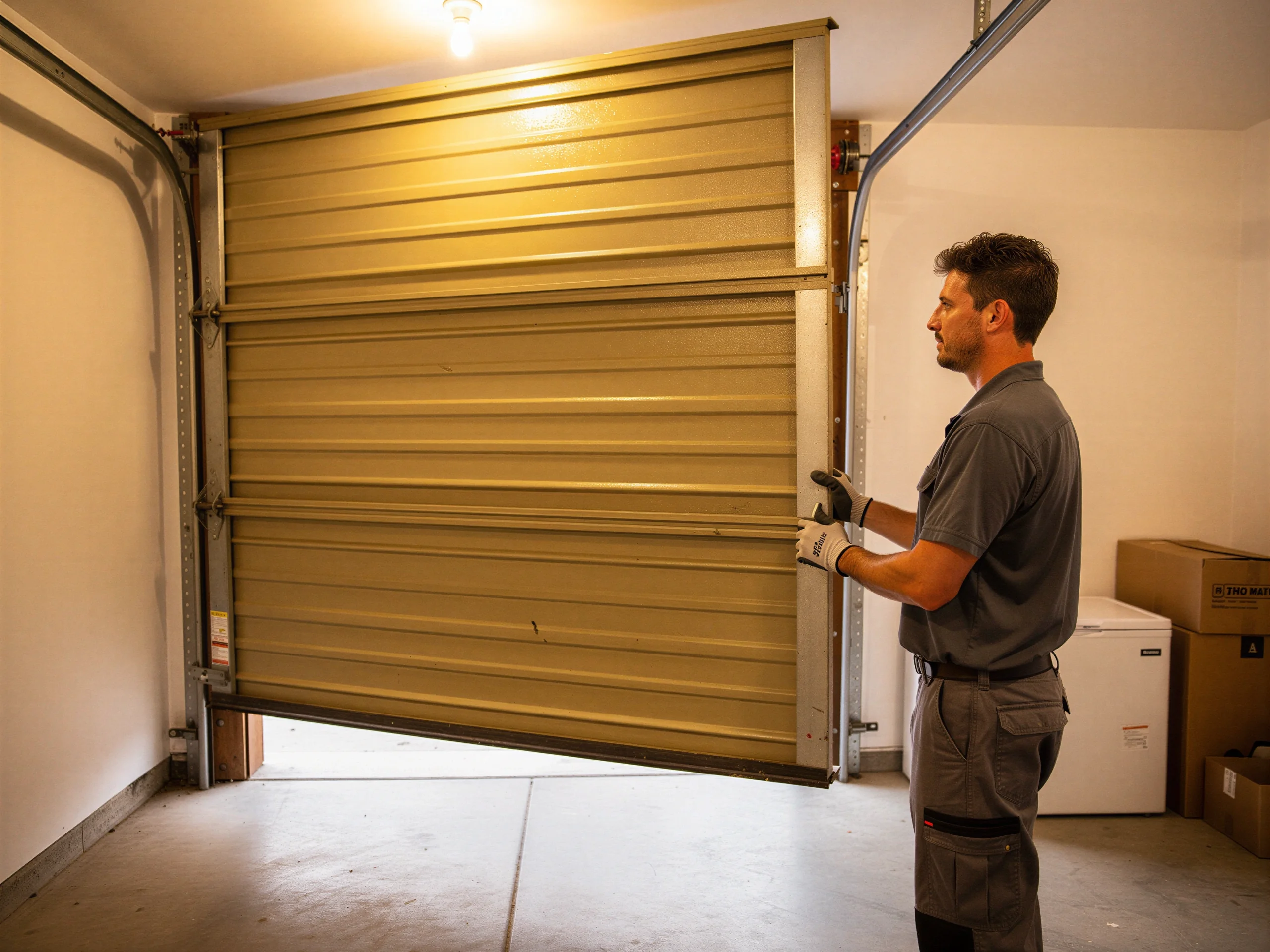
What we can tell you is what drives the bill: a single torsion spring swap on a standard double door costs less than a full spring-and-cable job, and a full job costs less than a panel replacement once you're ordering steel cut to match a door that's been up since the late 1970s.
Income shapes replacement
Diamond Bar's median household income runs at $106,602, well above the $95,385 median across the rest of the territory we cover out of La Mirada, and we mention that only because it shapes a decision homeowners here make more often than most: replacing an aging opener outright instead of nursing a 40-year-old drive unit through another repair.
Both numbers upfront
We'll give you both numbers - fix and replace - before we touch anything. If a part needs ordering because the hardware is old enough that nobody stocks it on a shelf anymore, that adds a day or two, and we'll say so up front rather than let it surprise you on the invoice.
What Can Go Wrong
Diamond Bar's housing stock centers on 1979, a decade and a half newer than the 1964 median across the wider service area that La Mirada Garage Door Pros covers.
Extension-to-torsion transition
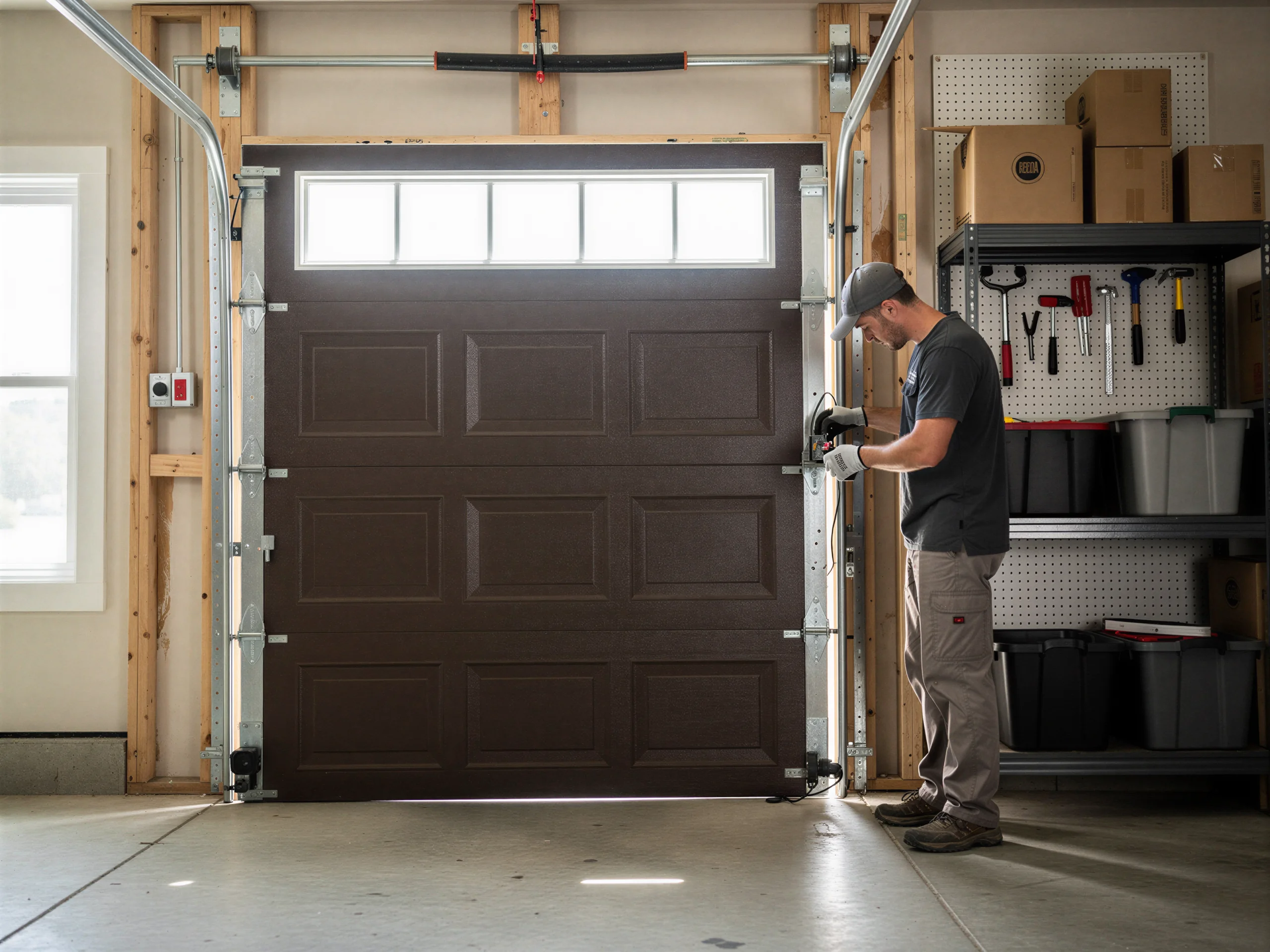
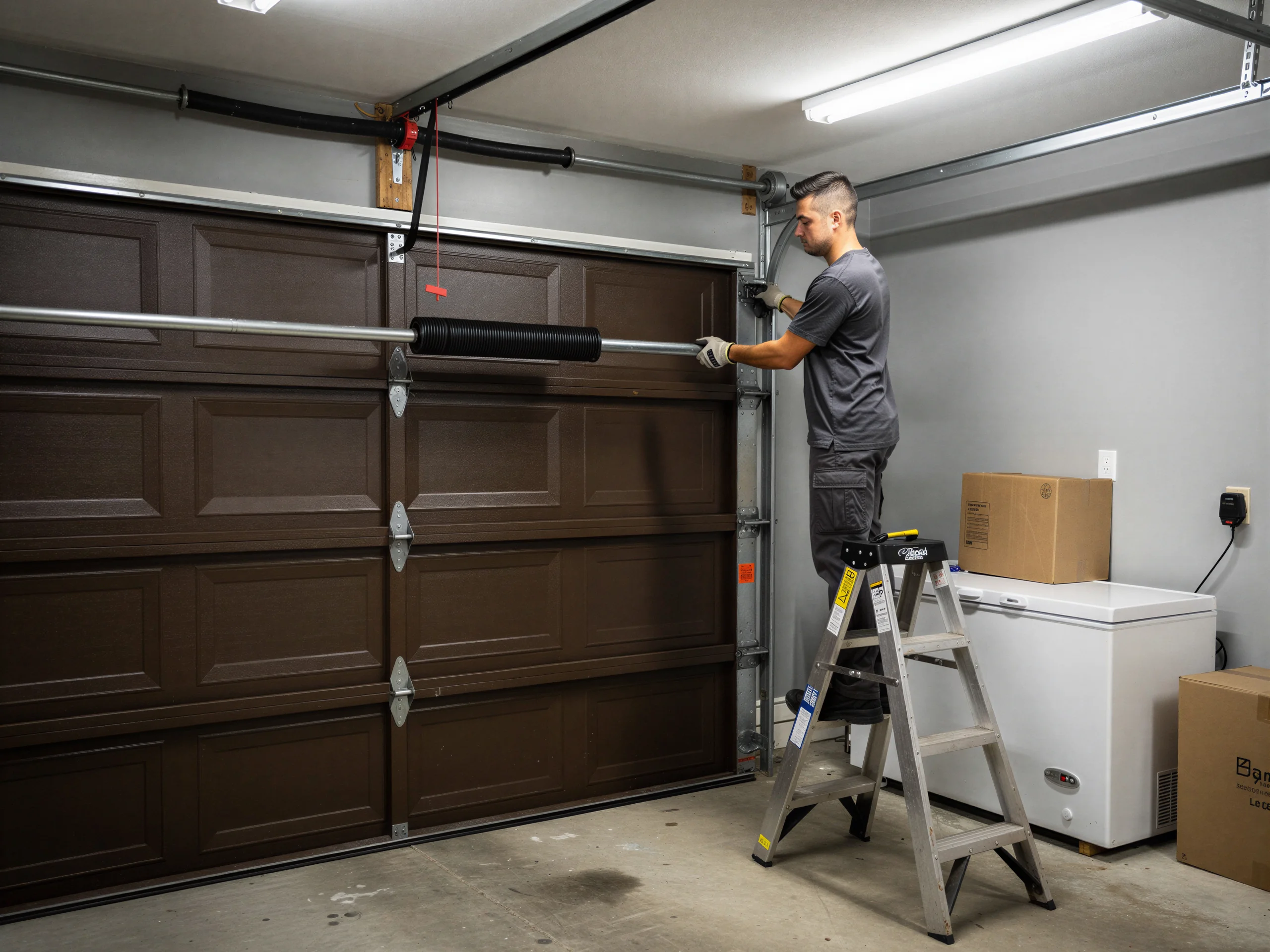
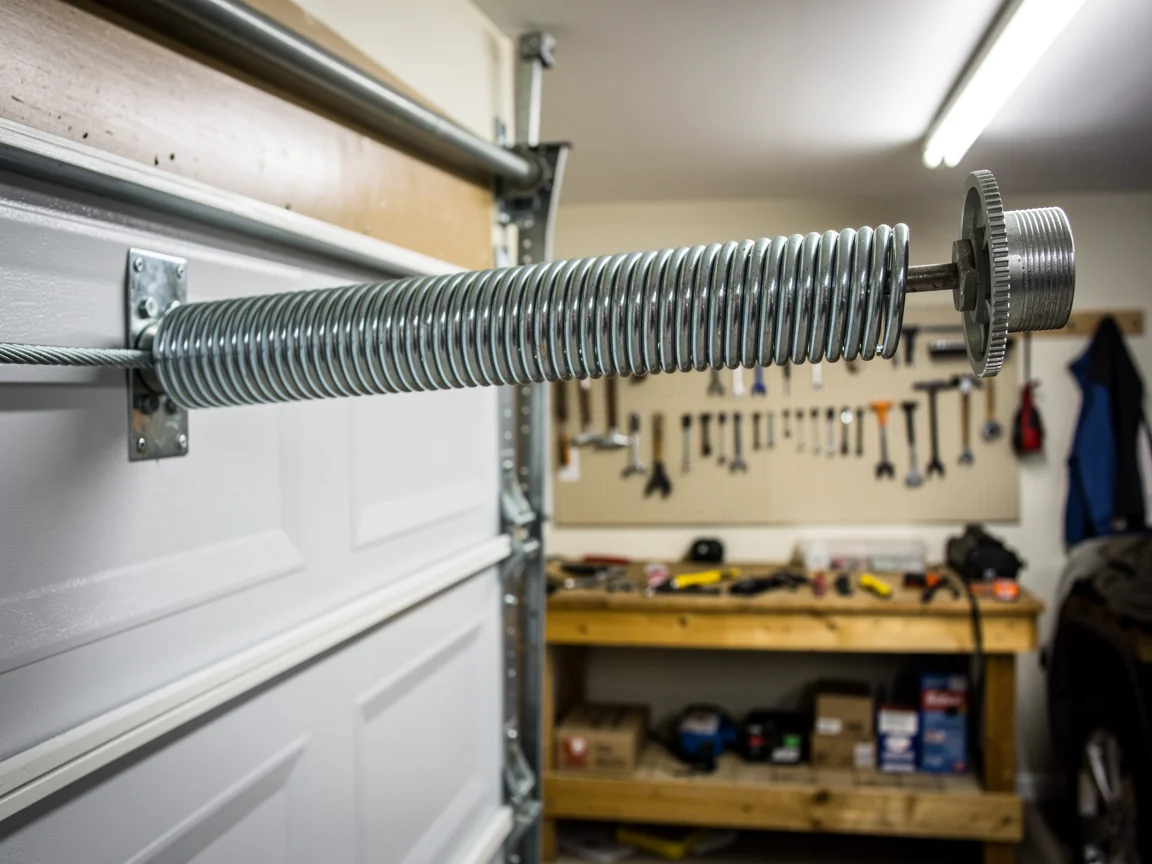
That gap matters because it's roughly the line between older extension-spring setups and the torsion-spring systems that became standard through the '70s and '80s. Doors here are more likely to run torsion springs mounted on a single shaft above the opening, which fail differently than the side-mounted extension springs on older houses - usually a clean snap rather than a slow stretch.
Rusted cable wraps
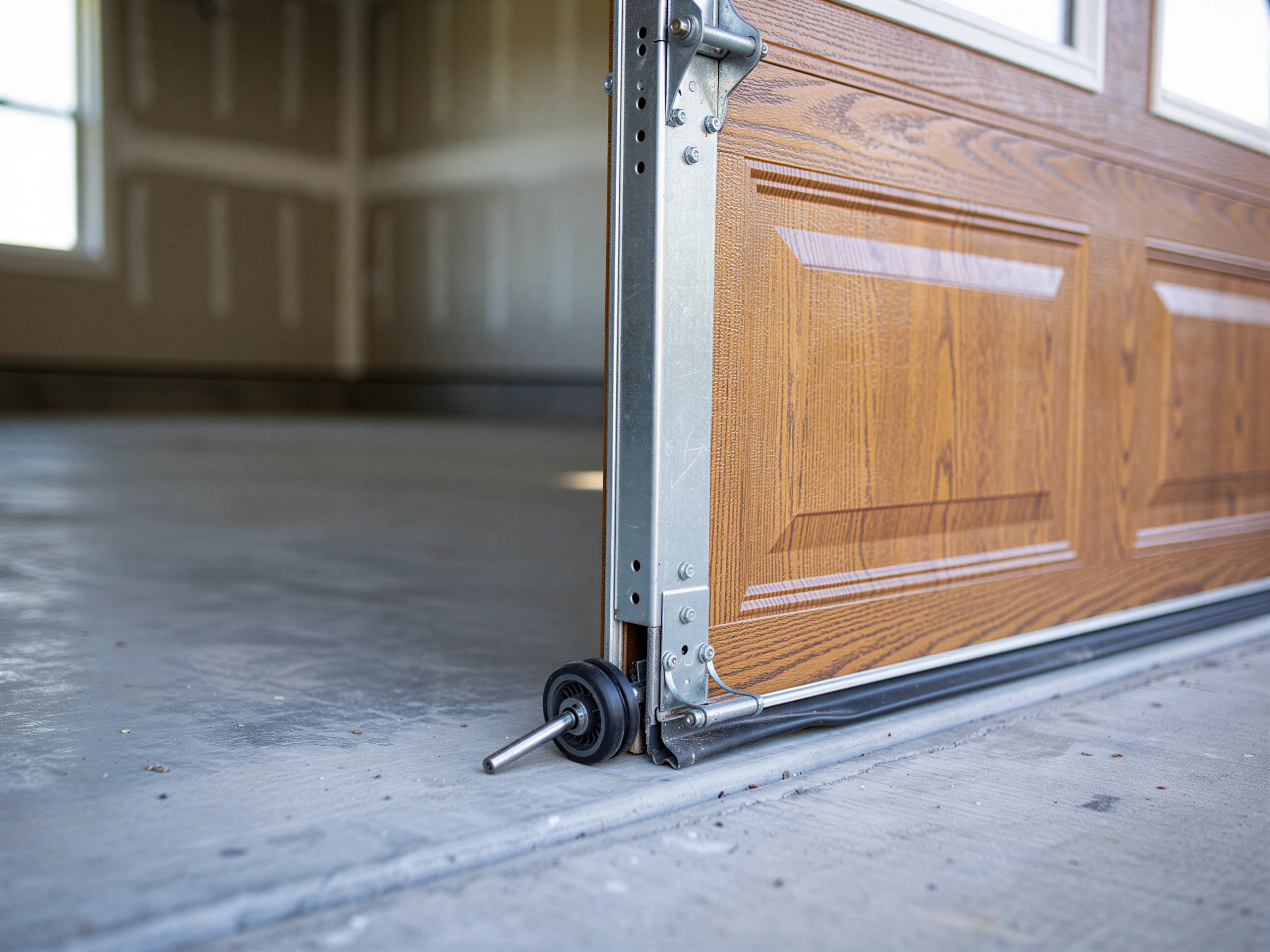
The steel sectional doors common to that build era are also old enough now that the original rollers have gone from nylon to just plain worn, and the galvanized cable underneath has had forty-plus years to rust where it wraps the drum. Openers from that period, where original, are chain-drive units with mechanical limit switches rather than digital ones - when those switches drift, the door reverses before it closes or stops short of the floor.
Age catching up
None of this is dramatic weather damage; the climate here is mild and doesn't stress hardware the way freeze-thaw cycles do elsewhere. It's just age catching up with parts that were built to last a long time, and are now at the far end of it.
Can You Do This Yourself
A torsion spring under tension can break a hand or worse if you don't know how to wind it down, and we're not going to walk you through that over the phone.
Homeowner-safe tasks
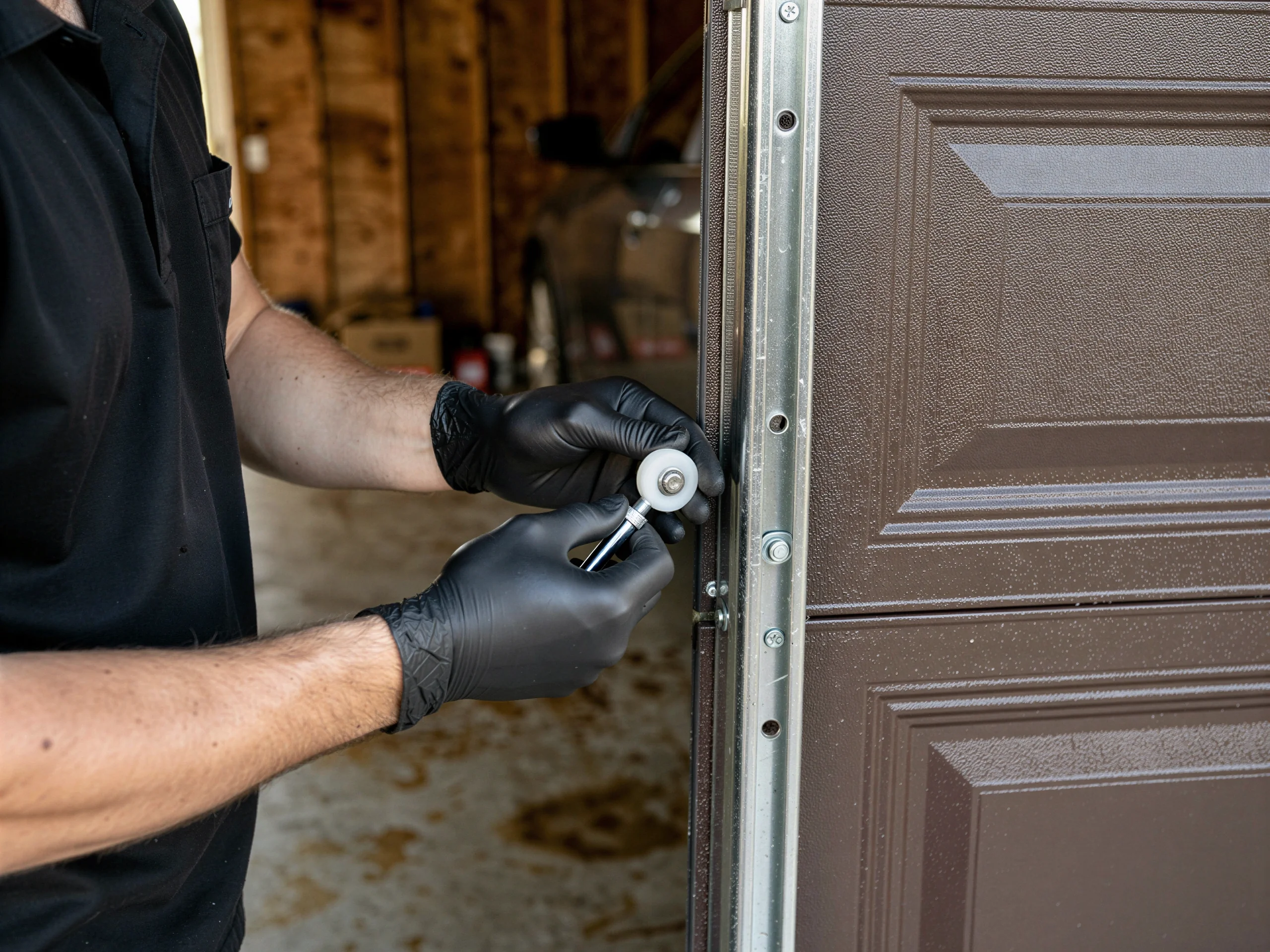
Swapping rollers, lubricating hinges, tightening loose bolts on the track brackets - that's reasonable homeowner work and worth doing on a door built in 1979, since the hardware has had decades to loosen.
Limit switch adjustments
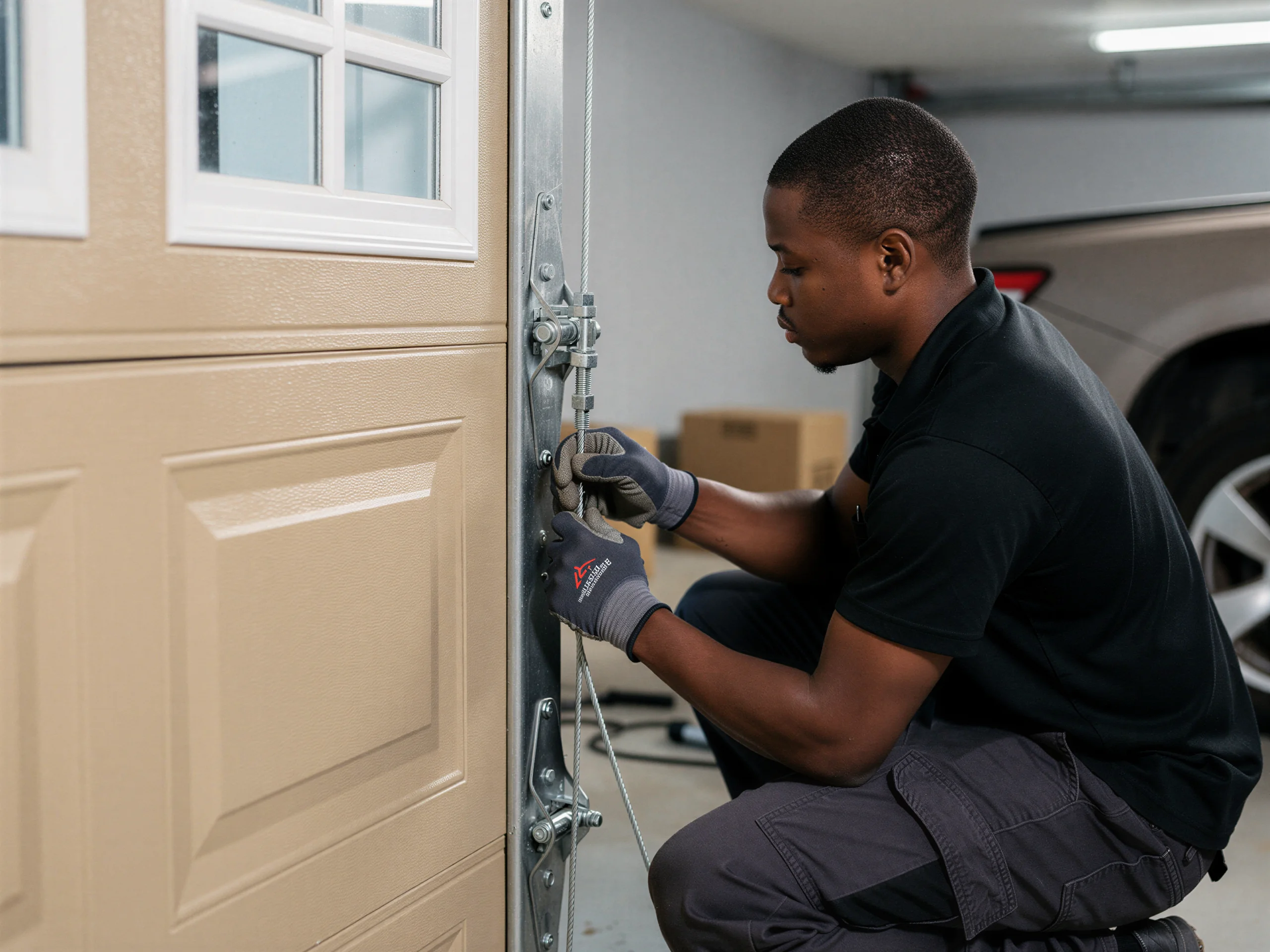
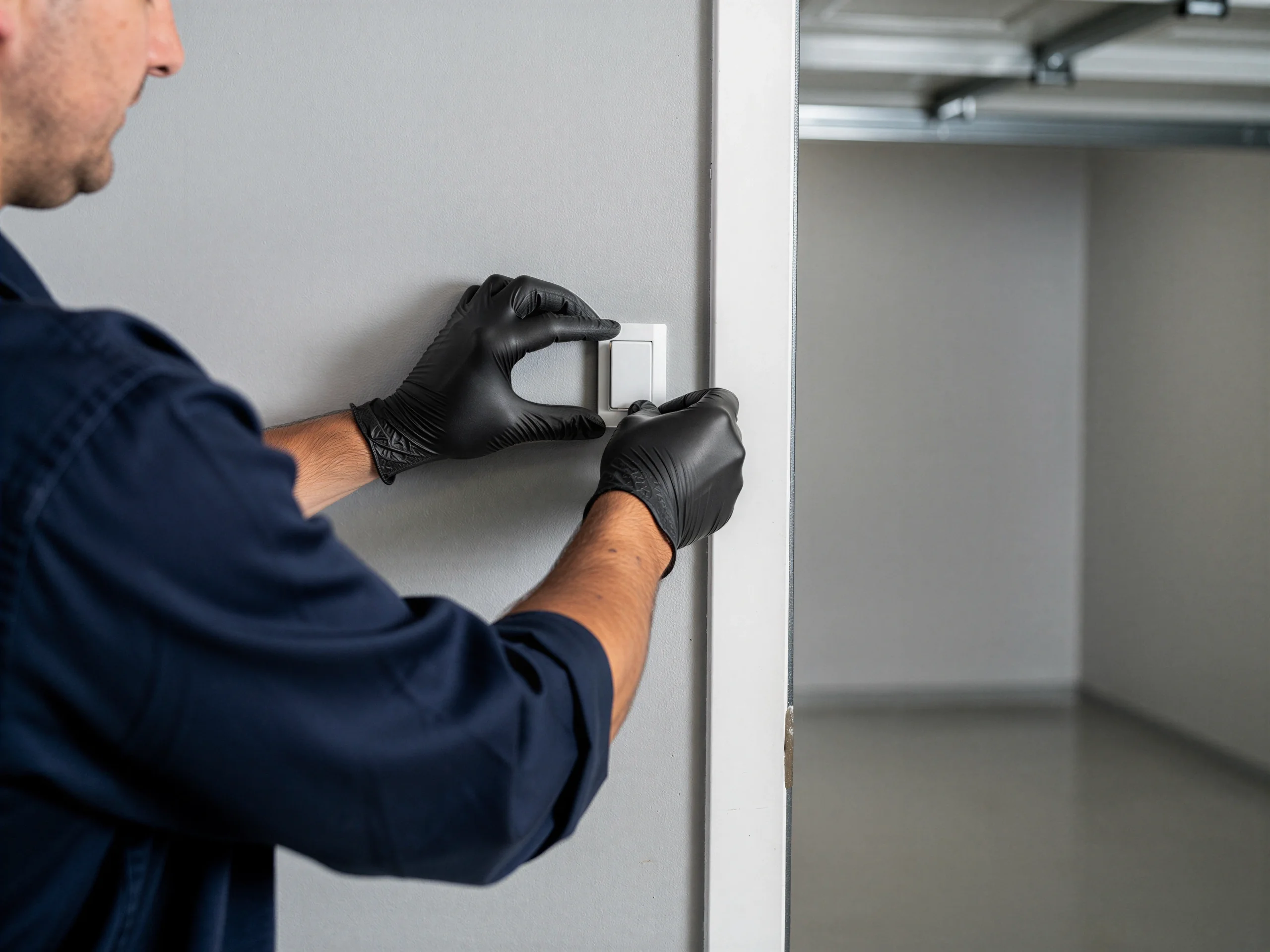
Replacing a spring, a cable, or anything that touches the torsion bar is not a do-it-yourself job regardless of how old or new the door is. If your opener's limit switches are drifting, that's sometimes a five-minute adjustment and sometimes a sign the gears inside are worn past adjusting, and it's hard to tell which from the outside.
Distance versus DIY fixes
Our honest limitation here: we come out from La Mirada, 13 miles away, so we're not going to be the fastest call for something you could fix yourself with a ten-minute YouTube video and a wrench. Save us for the spring, the cable, the broken torsion bar, or the opener that's actually dying - not the squeaky hinge.
The Symptom
The complaint we hear most from this part of Diamond Bar is a door that shudders partway up, then stalls, then reverses back down on its own. On a door this old, that's almost always the opener's travel limits drifting out of adjustment combined with a spring that's lost enough tension that the opener is doing more lifting than it was built to do. The two problems compound each other: a weak spring makes the opener strain, and a straining opener trips its own safety reversal sooner. Homeowners sometimes try adjusting the limit switch themselves, which can mask the symptom for a week or two before the underlying spring gives out entirely - usually with a bang loud enough to bring someone outside. If your door is from the original 1979-era build and you're hearing a loud pop followed by a door that won't budge even with the opener running, that's the spring, not the opener. If instead it's a slow struggle followed by a reverse, check the opener's limit settings first, but don't be surprised if the spring is the real cause underneath.
What Is on the Truck
Because so much of Diamond Bar's door stock sits in that 1970s-to-80s window, we carry torsion springs sized for the standard single and double door shaft lengths that era used, along with galvanized lift cable, steel rollers, and the drums that match older torsion setups rather than just the newest hardware. We also carry chain-drive opener parts - sprockets, limit switch kits, drive gears - because chain drive is still common on original equipment from houses built around then, even though most new installs now run belt drive. Our honest limitation: if your door needs a full panel replacement because the steel has dented or rusted through, we may need to order panels rather than pull them off the truck, since matching a specific 1979-era profile isn't always something we stock. We'll tell you that the moment we see the door, not after we've already quoted a same-day job. For Diamond Bar garage door work specifically, that's the baseline kit we bring; general repair work across the rest of the territory is covered on the La Mirada repair page.
Talk to a local pro
Garage door service in La Mirada?
Same-day service with honest, upfront quotes.