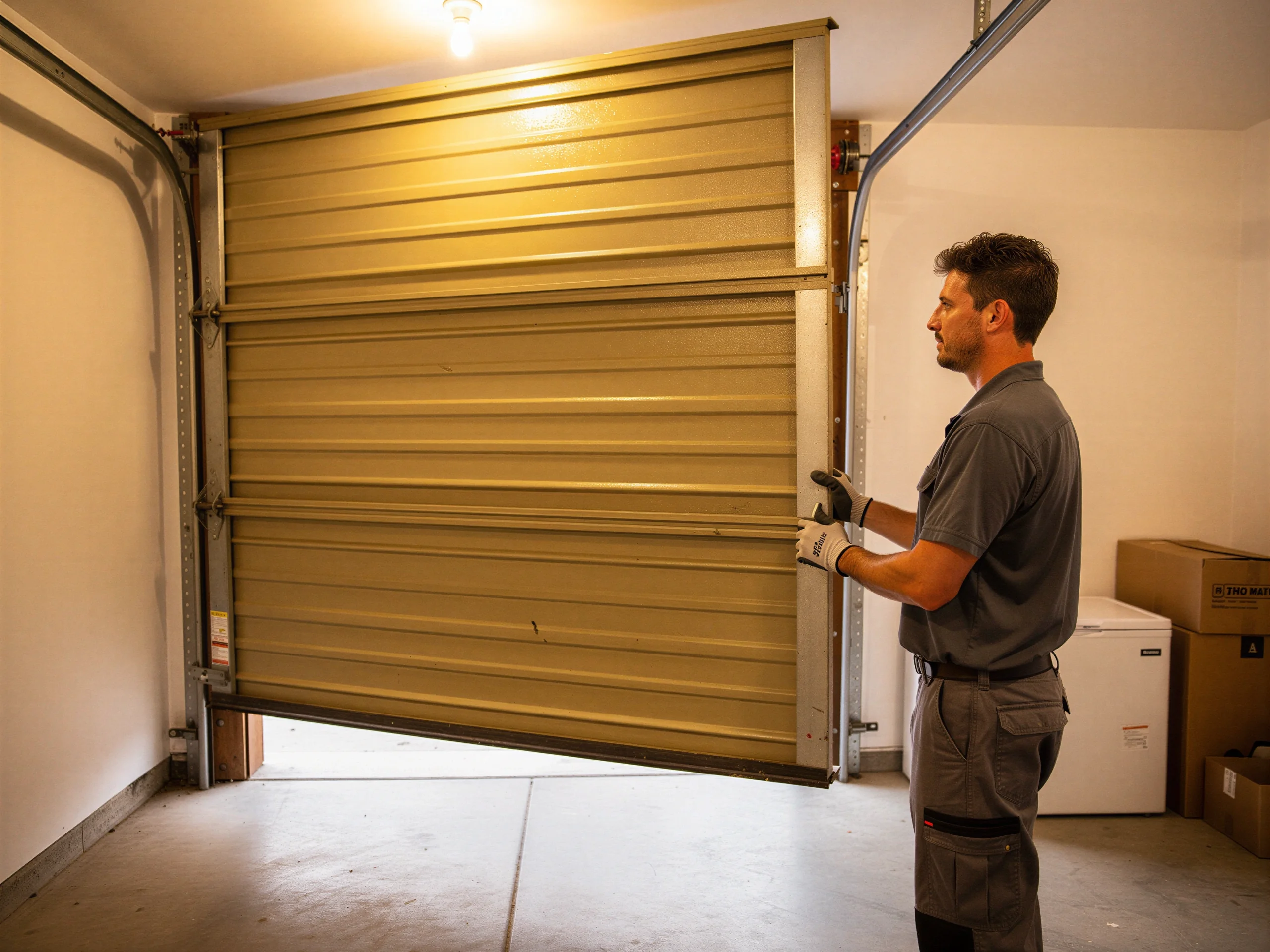
The Cost of This Job
The number that actually sets the price on most Diamond Bar jobs isn't the service call, it's the build year. The median home here went up in 1979, which means a lot of garages are still running the torsion spring, drum, and shaft that came with the house.
Springs past rated cycles
Forty-some years on a spring rated for a set number of cycles usually means it's at or past the end of its life, not just loose or noisy. That pushes jobs here toward full torsion replacement more often than a quick adjustment.
Fix depends on door
We don't quote a flat number for Diamond Bar because the fix depends on what's actually on the door - a single spring swap is a different job than a full conversion with new cables and rollers.
Conversions pencil out
What we can tell you is that median household income in this area runs at $106,602, well above the wider service-area figure, and that's part of why a full torsion conversion pencils out here more often than a patch job that just buys a few more months.
Original 1979 parts limit
See the repair page for what gets priced separately, and the overview of service from La Mirada for how the call itself works. The honest limit: if the opener and the door are both original to 1979, replacing one part at a time usually costs more over a year than doing both at once. We'll tell you that on site, not try to sell it over the phone.
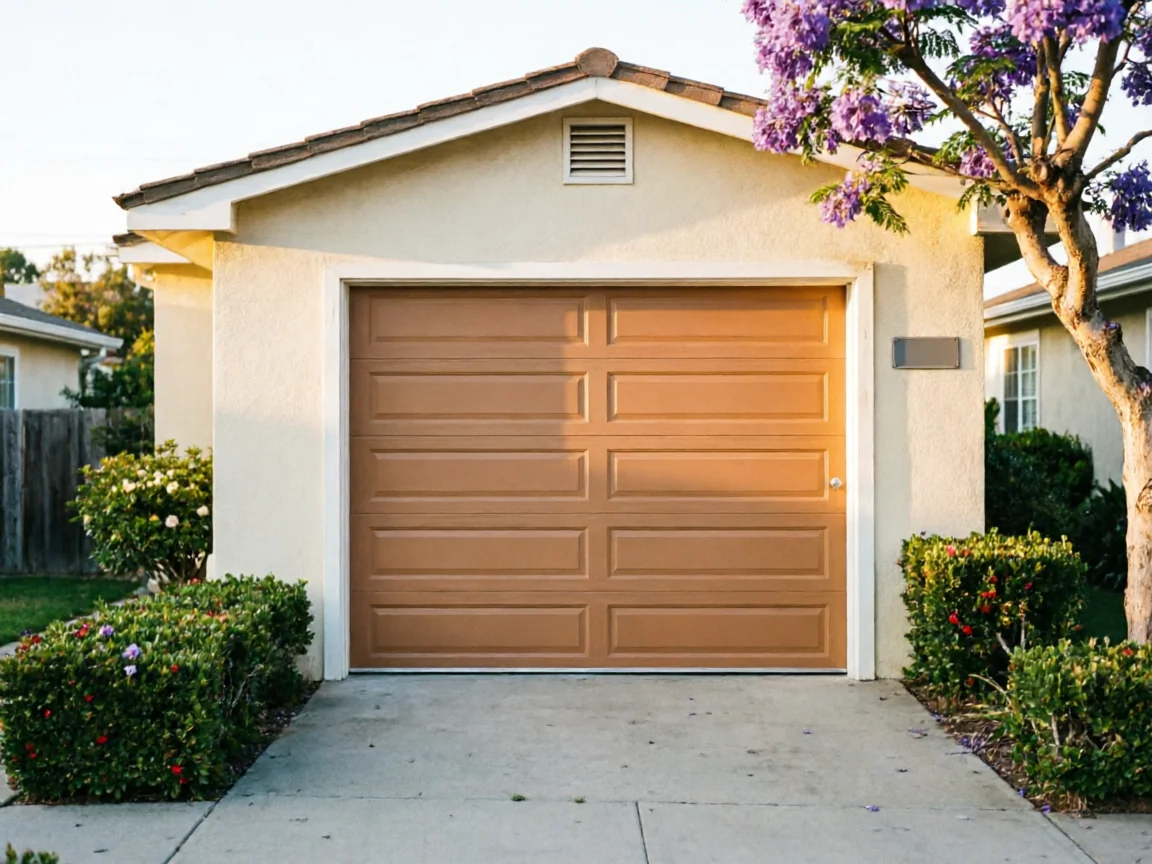
What Can Go Wrong
A door built in 1979 almost never has the lighter-gauge torsion spring and nylon rollers you'd expect on a home from the 2000s - the wire gauge and drum size are different, and so is the way the spring fails.
Sudden full spring snaps
Older torsion springs tend to go all at once, a full snap rather than a slow stretch, because the steel has fatigued evenly over decades of the same cycle count.
Single-panel 1979 doors
With 18,238 households spread through this part of the valley, a lot of those garages still have the single steel panel door that shipped with the house in the late 1970s, often with the original steel rollers rather than nylon. Steel rollers on steel track wear the track faster and run louder, which is usually the first thing an owner notices before anything actually breaks.
Mechanical fatigue, not rust
The mild temperate climate here doesn't add rust or warp the way a harsher climate would, so most of what fails on these doors is mechanical fatigue, not weather damage. That's actually good news - it means the panels themselves often outlast the hardware holding them up, and a hardware-only job can leave a perfectly sound door in place.
Can You Do This Yourself
Some of this you can do. Tightening loose roller brackets, lubricating hinges, checking that the track is bolted flush to the jamb - all fine with a stepladder and a wrench.
Spring is the line
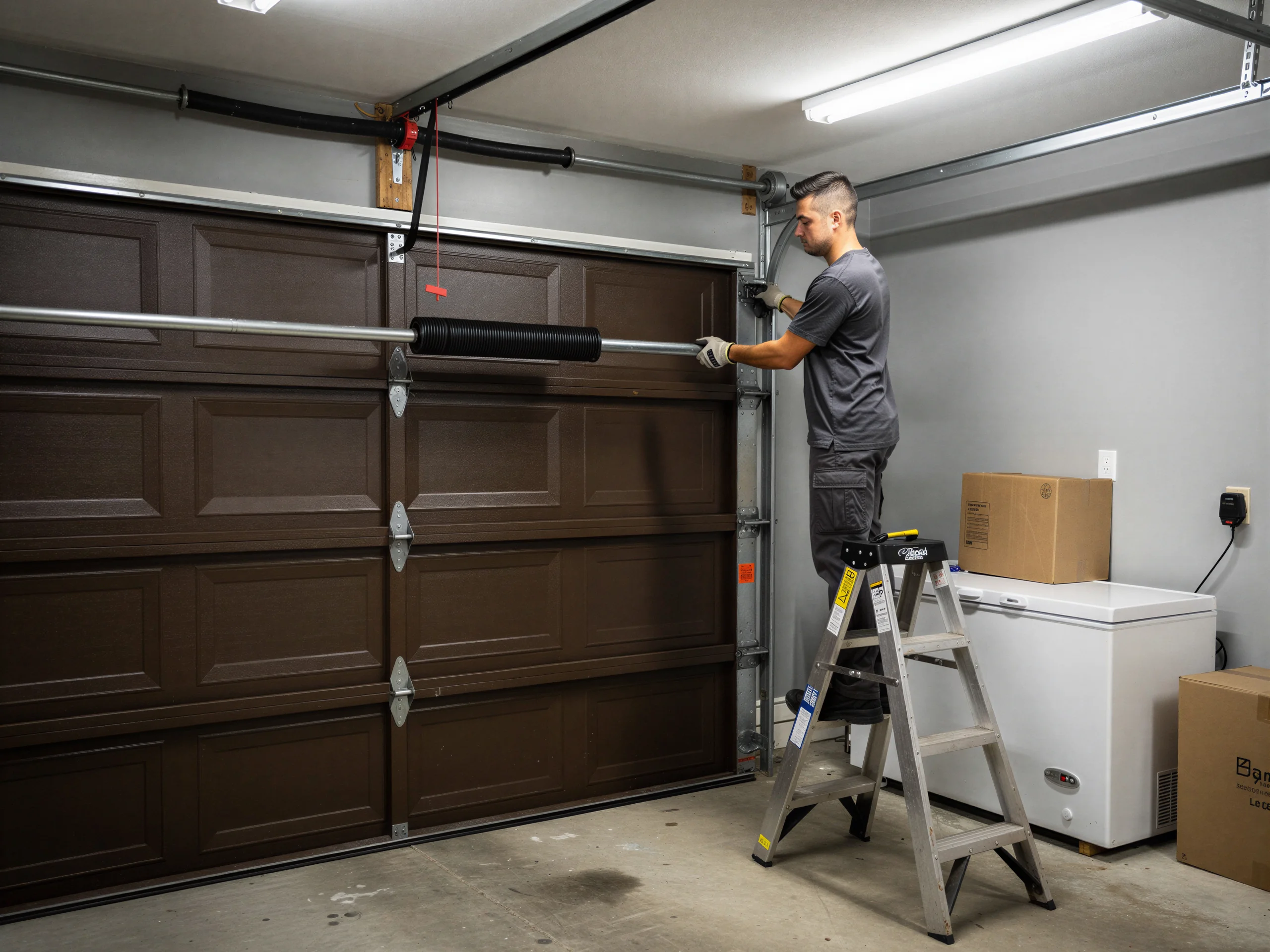
None of it needs a call. The torsion spring is where we draw the line, and we'll say so plainly: a wound torsion spring holds enough stored force to break a wrist or worse if the winding bars slip.
Age doesn't make safer
That's true on a brand-new door and it's true on a 1979 original, and age doesn't make it safer, it makes the steel more likely to let go without warning. If you're looking at a door that's original to a 1979 build, assume the spring is near the end of its rated life and treat it as a two-person job with the right bars, not a solo fix.
Never disable safety sensors
Opener logic boards and safety sensors are the other place we'd tell you to stop and call, mostly because a misaligned sensor that gets "fixed" by disabling it is a door that can close on a car or a kid. Everything else - weatherstripping, lubrication, hinge screws - is yours to do.
The Symptom
The complaint we hear most from this part of the valley is a door that groans or bangs once on the way up, then runs fine the rest of the cycle. That's usually a torsion spring that's lost tension unevenly - common on original 1979 hardware that's cycled for decades without ever being rebalanced - and it shows up as a single rough spot rather than constant noise.
A second common call: the door reverses partway up, or the opener strains audibly before it catches. On a house this age, that's often the opener compensating for a spring that's lost several turns of tension, not an opener problem at all. Replacing the opener without addressing the spring just moves the strain somewhere else.
Less common, but it shows up: steel rollers that have worn a groove into the track over four decades, making the door rattle even when the spring is fine. That one's a rollers-and-track job, cheaper than it sounds, and worth ruling out before assuming the spring is the culprit.
What Is on the Truck
For a 13-mile run out from La Mirada, the truck carries torsion springs sized for the drum and shaft diameters common to late-1970s doors, not just the newer standard sizes - that distinction matters because an original 1979 door often takes a different wind and wire gauge than what ships on a 2010s door. Nylon rollers to replace worn steel ones, galvanized lift cables, and the winding bars and clamps for a safe on-site respring are standard stock.
What's not always on the truck: a replacement panel matched to an original steel door from that era, since most of those were discontinued decades ago. If a single panel is dented or rusted through, we'll look at whether a close match exists or whether the honest answer is a full door replacement rather than chasing a part that isn't made anymore.
Opener boards and safety sensor kits for the common residential brands ride along too, since opener strain is the symptom we see most often tied back to tired torsion hardware on this side of the valley.
Talk to a local pro
Garage door service in La Mirada?
Same-day service with honest, upfront quotes.