Why This Fails Locally
Arcadia is a 16-mile haul from our shop in La Mirada, which is further than most of the towns we cover day to day. That distance shapes how a call here actually runs: we're not swinging by on the way to another job, so when a tech comes out, the visit is planned, not casual.
The houses doing the failing matter too. Arcadia's housing stock runs a median build year of 1965, close to the wider service area's 1964 median but still its own thing - a lot of these garages were framed with hardware nobody has made in decades. Pair that with a median household income of $116,142, well above the $95,385 average across our whole service area, and you get a different failure pattern than a lot of our calls: owners here are more likely to have already replaced an opener once, which means the spring or track failing now is often the second system in that bay, not the original.
With only 19,291 households in Arcadia itself, against 591,672 across the full area we cover, it's a smaller town by the numbers - which is exactly why a page built for it has to talk about Arcadia's own figures, not borrow someone else's.
Getting It Booked In
Because the drive out is longer, we don't treat an Arcadia call like a same-block job. We ask more on the phone up front - door size, what you're hearing, whether the opener is original - so the truck rolls with the right spring size and the right hardware the first time instead of a second trip.
No Arcadia branch
We don't run a branch or a depot in Arcadia. Every call here comes out of La Mirada, so if you're booking same-day, we're honest that it depends on what's already on the schedule for that stretch of road.
Opening may need measuring
If the job is a full door replacement rather than a repair, we'll usually want to see it in person before quoting, since a 1965-era opening doesn't always match a stock panel size.
The Cost of This Job
We're not going to put a number here we can't back up - Arcadia pricing isn't something we have locked down the way we do closer to home, and guessing would be worse than saying nothing. What we can tell you is what drives the cost on a job like this: spring size, whether the track is original 1960s-era hardware or a later swap, and whether the opener needs replacing alongside the repair.
Given the income level in Arcadia, we do see more owners opt for a full opener upgrade instead of patching the old one - not because the old one can't be fixed, but because it's often cheaper over five years to replace than to keep feeding parts into a 60-year-old unit. That's a call we'll walk through with you on site, not over the phone.
What Can Go Wrong
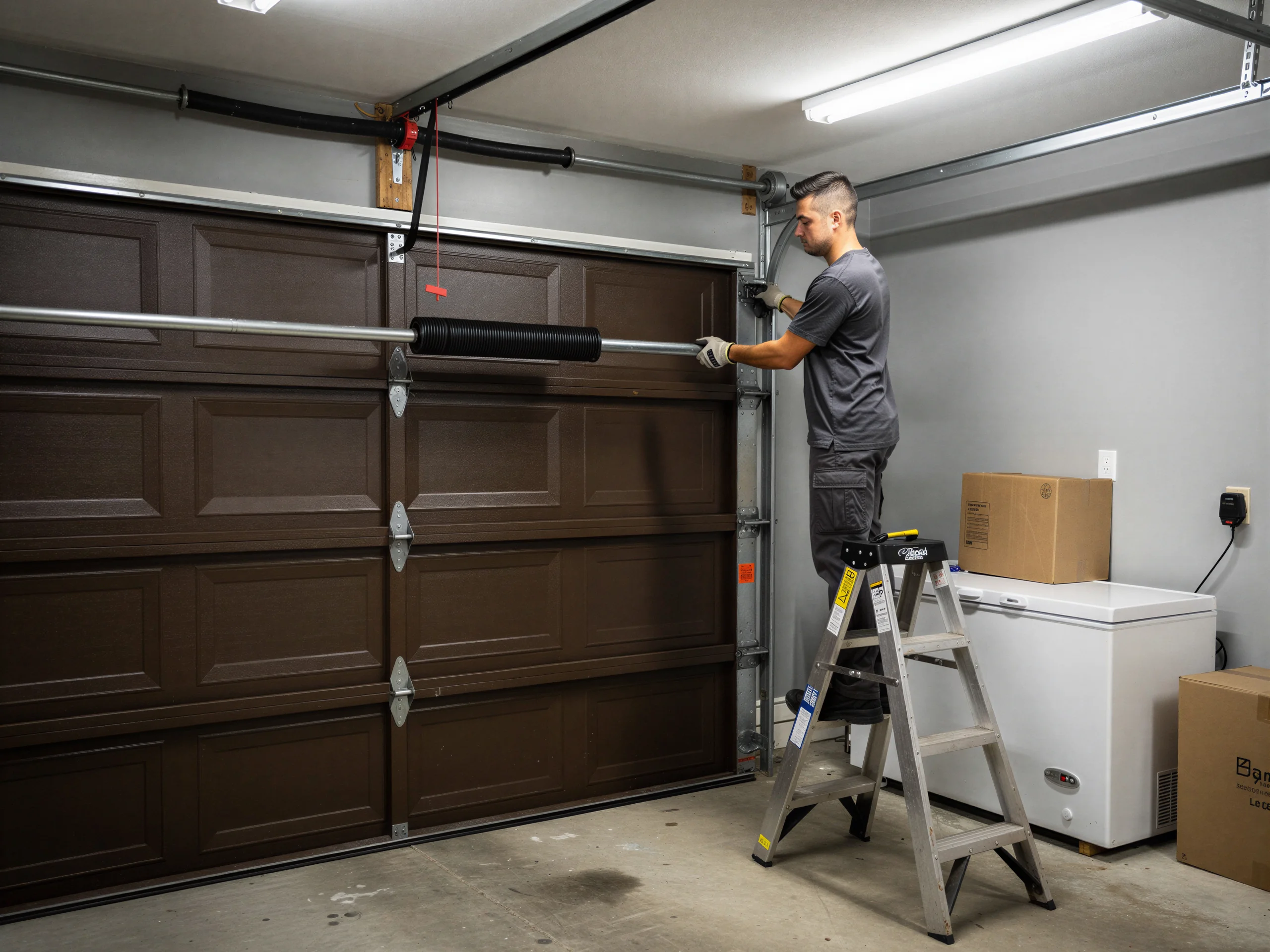
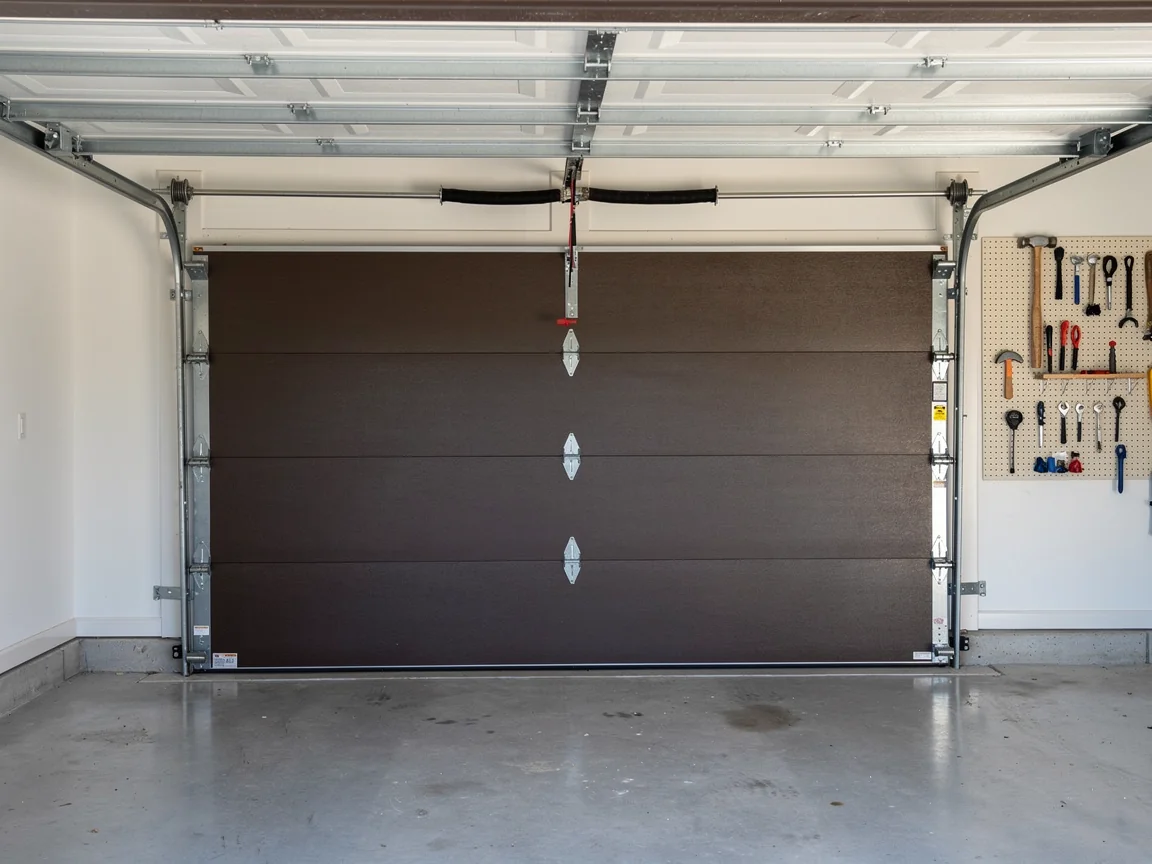
A house built around 1965 was usually framed for a single garage door hung on side-mounted torsion hardware, and a lot of those originals are still up. The springs on that era of door are sized differently than what's sold off the shelf now, so a snapped spring here sometimes means special-ordering rather than grabbing a standard size off the truck.
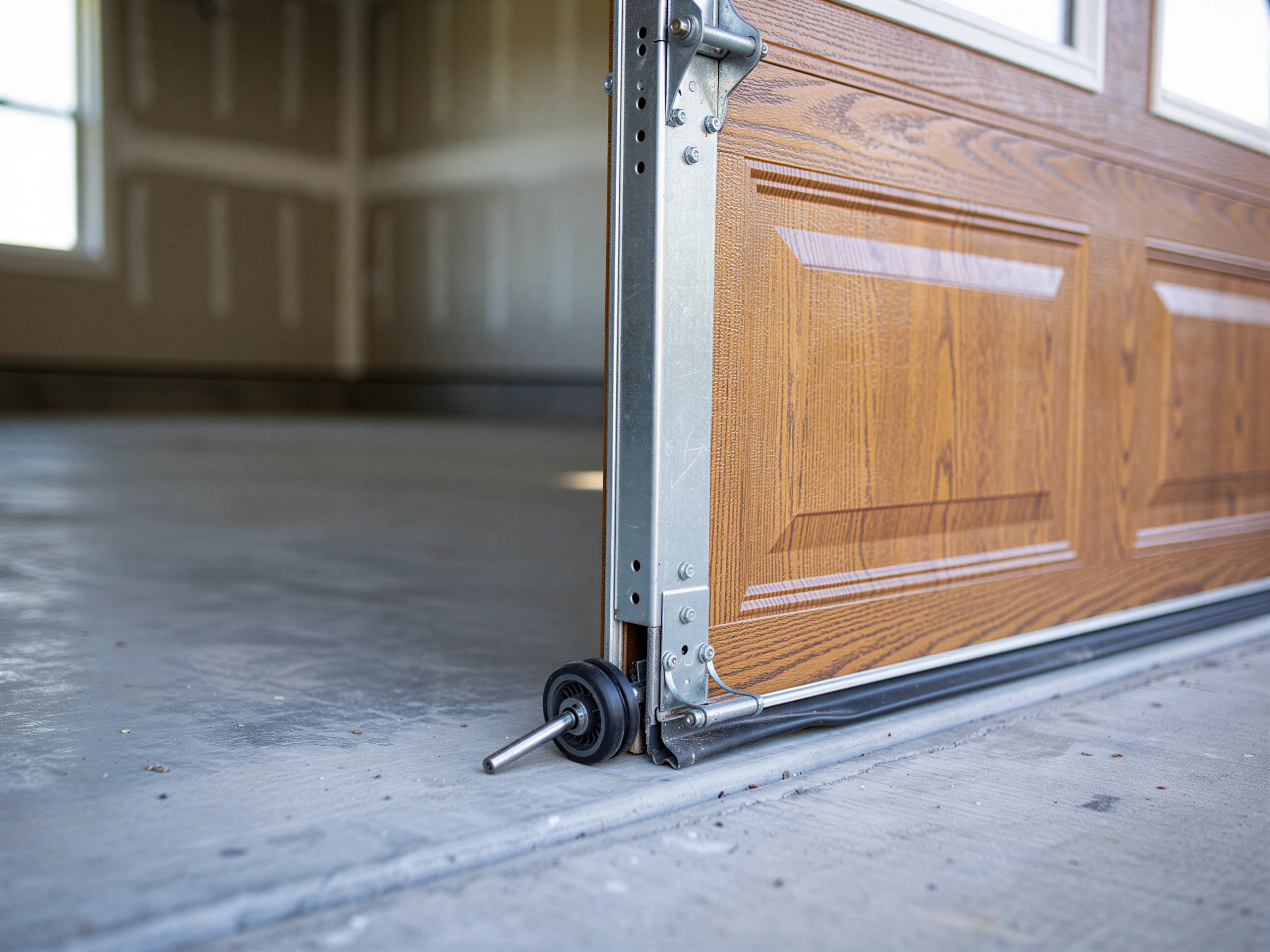
Track misalignment is common on these too - decades of settling plus a few opener swaps means brackets get re-drilled, and the result is a door that walks off the track under load instead of failing clean. Cables fray quieter on older drums, so you'll often hear a grinding before anything actually breaks, which is the window to call before it turns into a dropped door.
What the Fix Involves
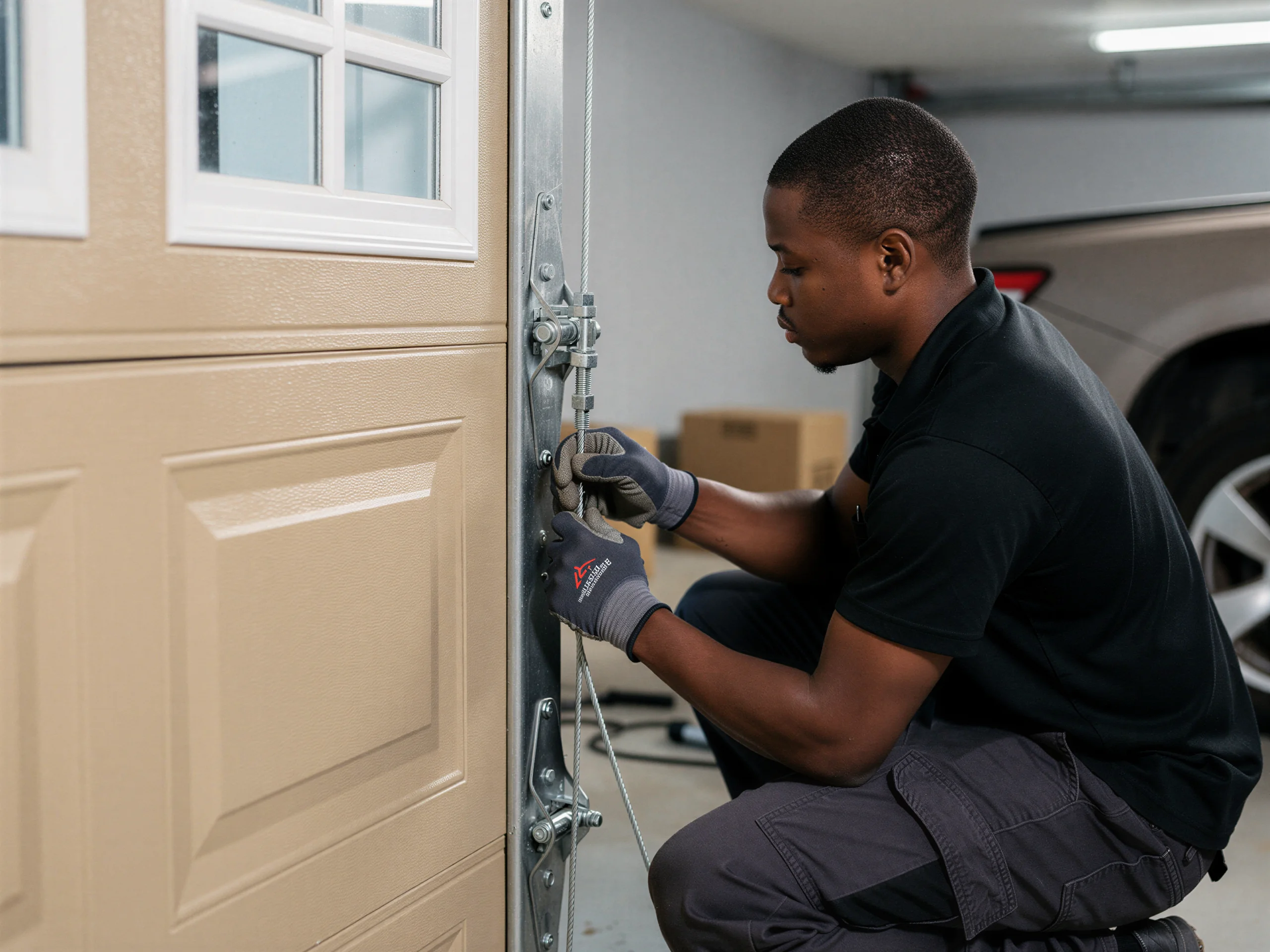
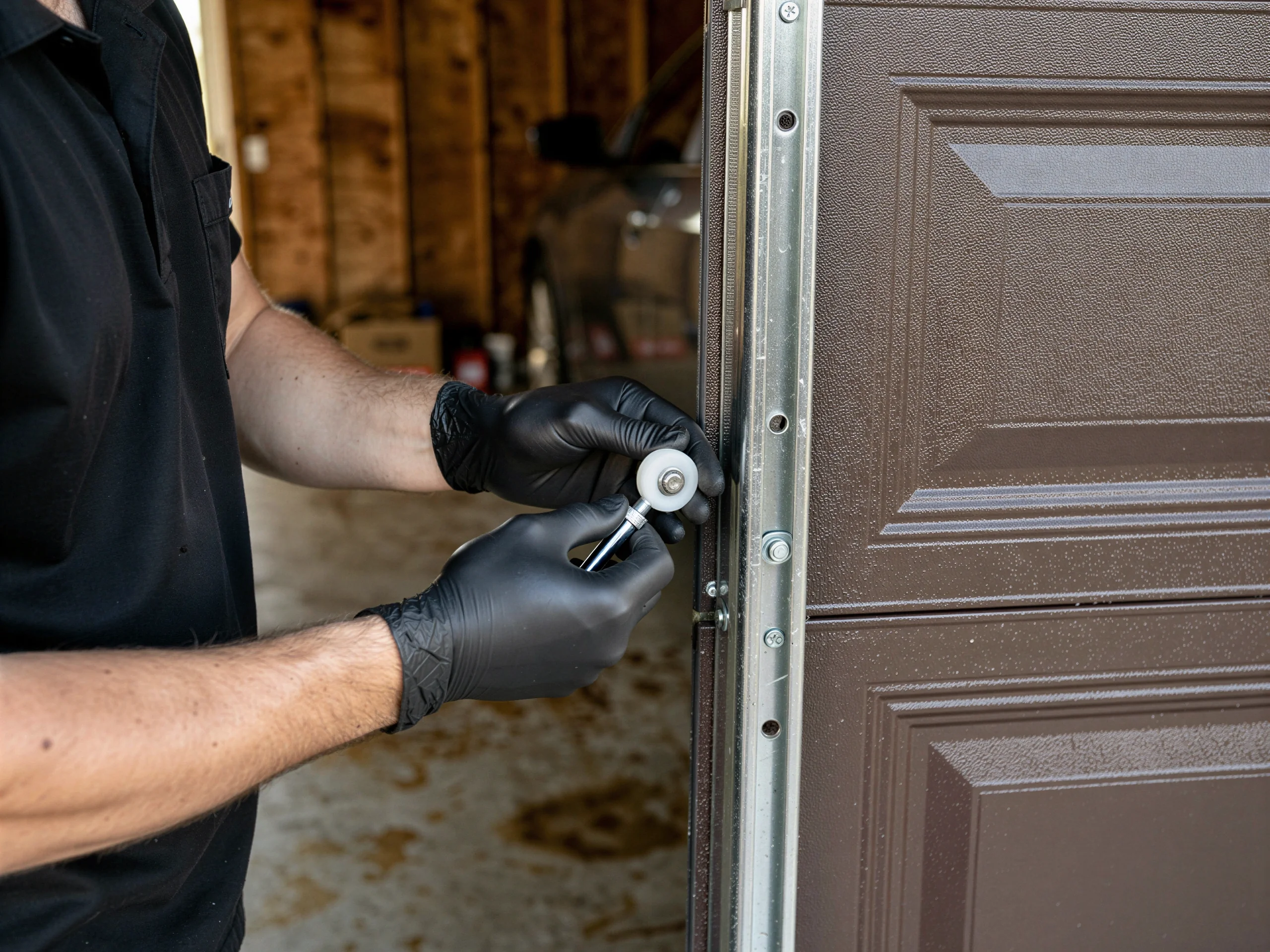
On a 1965-stock door, the first thing we check is whether the torsion bar and drums are original - if they are, spring replacement means matching that older bar diameter rather than pulling a universal size.
Track plumb check
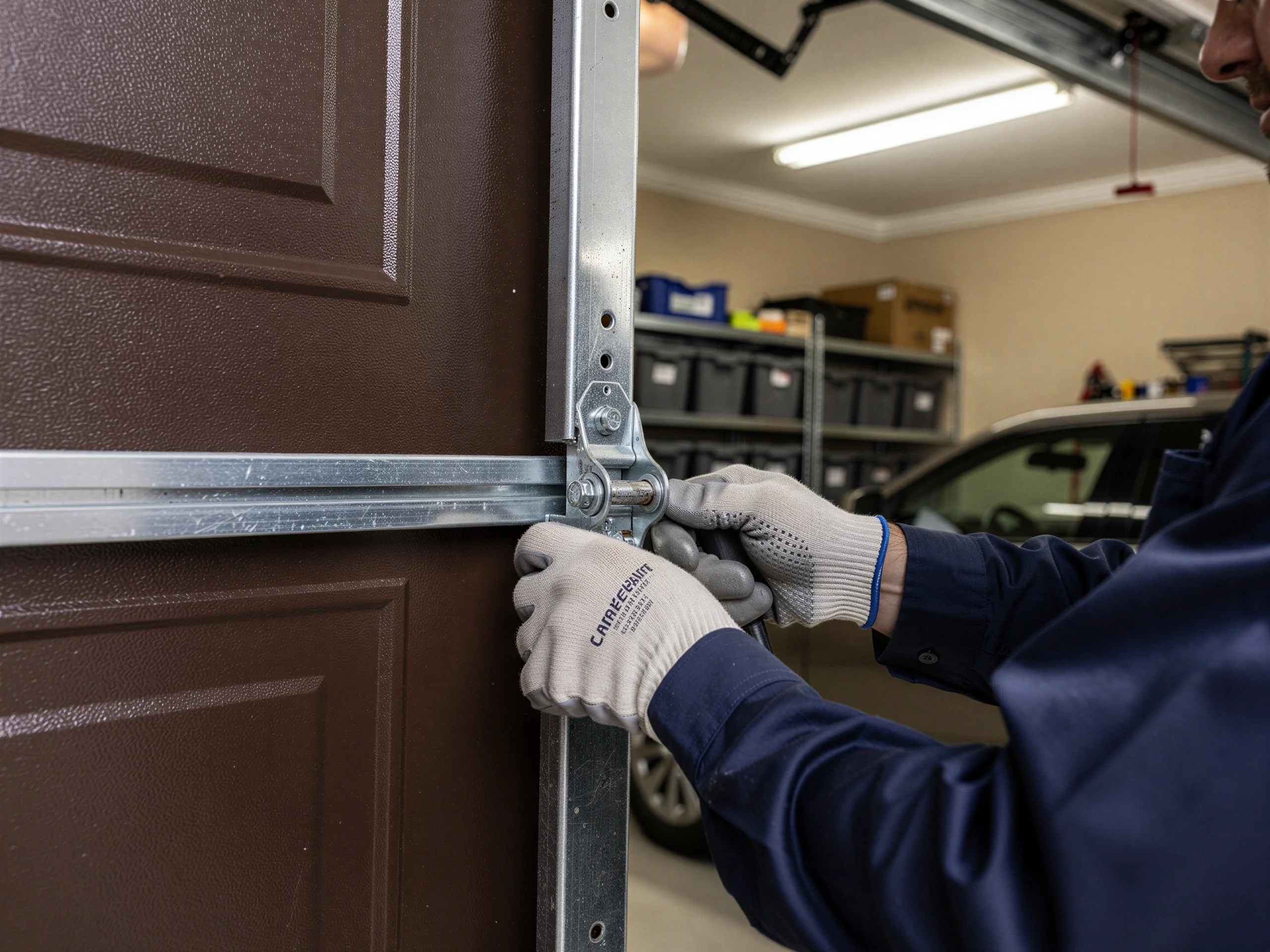
We'll also check the track plumb against the jamb, since original framing on houses this age has usually shifted a little over sixty years, and a straight-looking track can still be a quarter inch off at the top roller.
Opener force matched
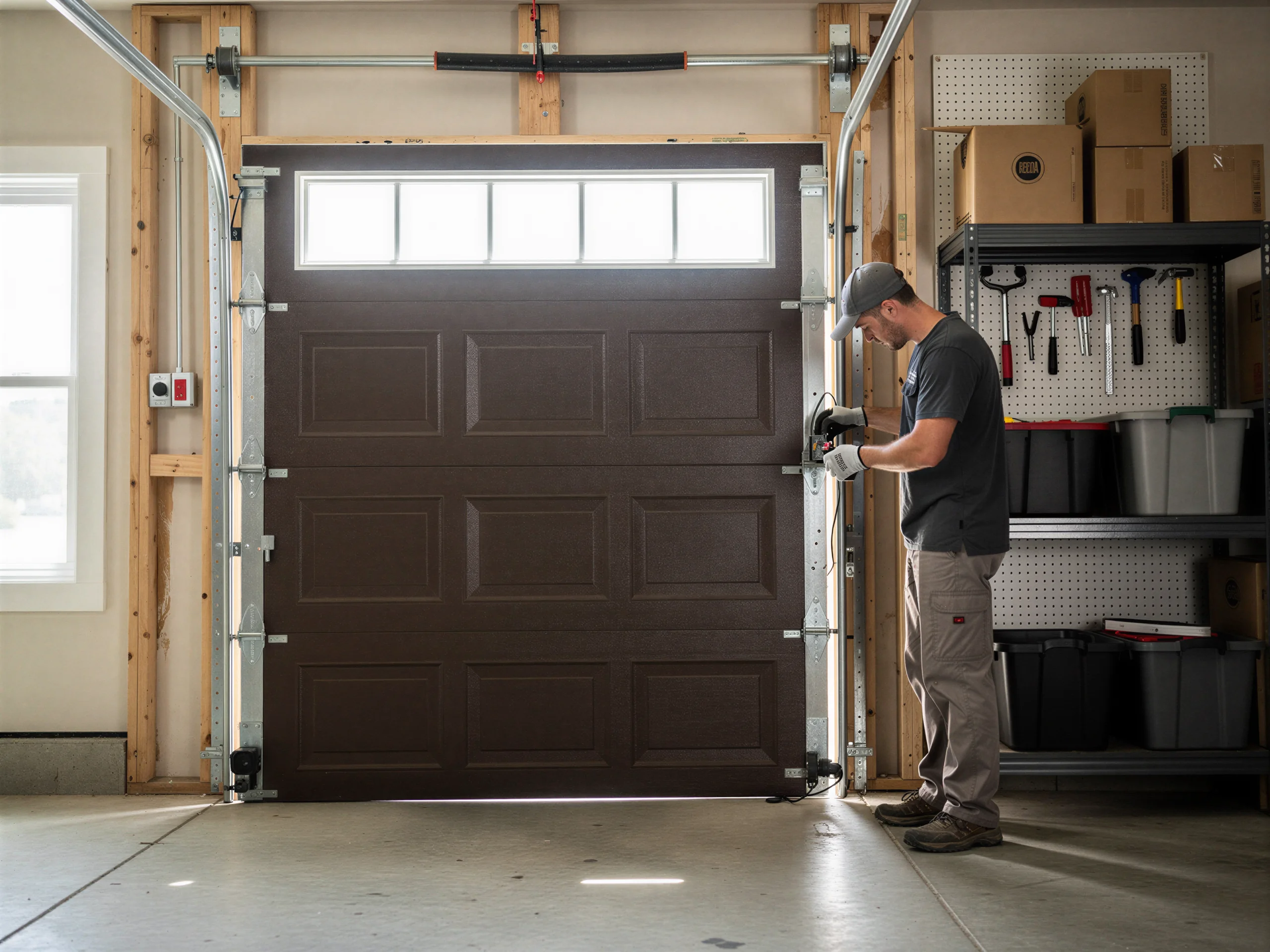
If the opener's been swapped at some point, we check that the new opener's force settings actually match the old spring tension, because that mismatch is a frequent cause of doors that reverse for no clear reason. We don't replace parts that are still doing their job.
The Symptom
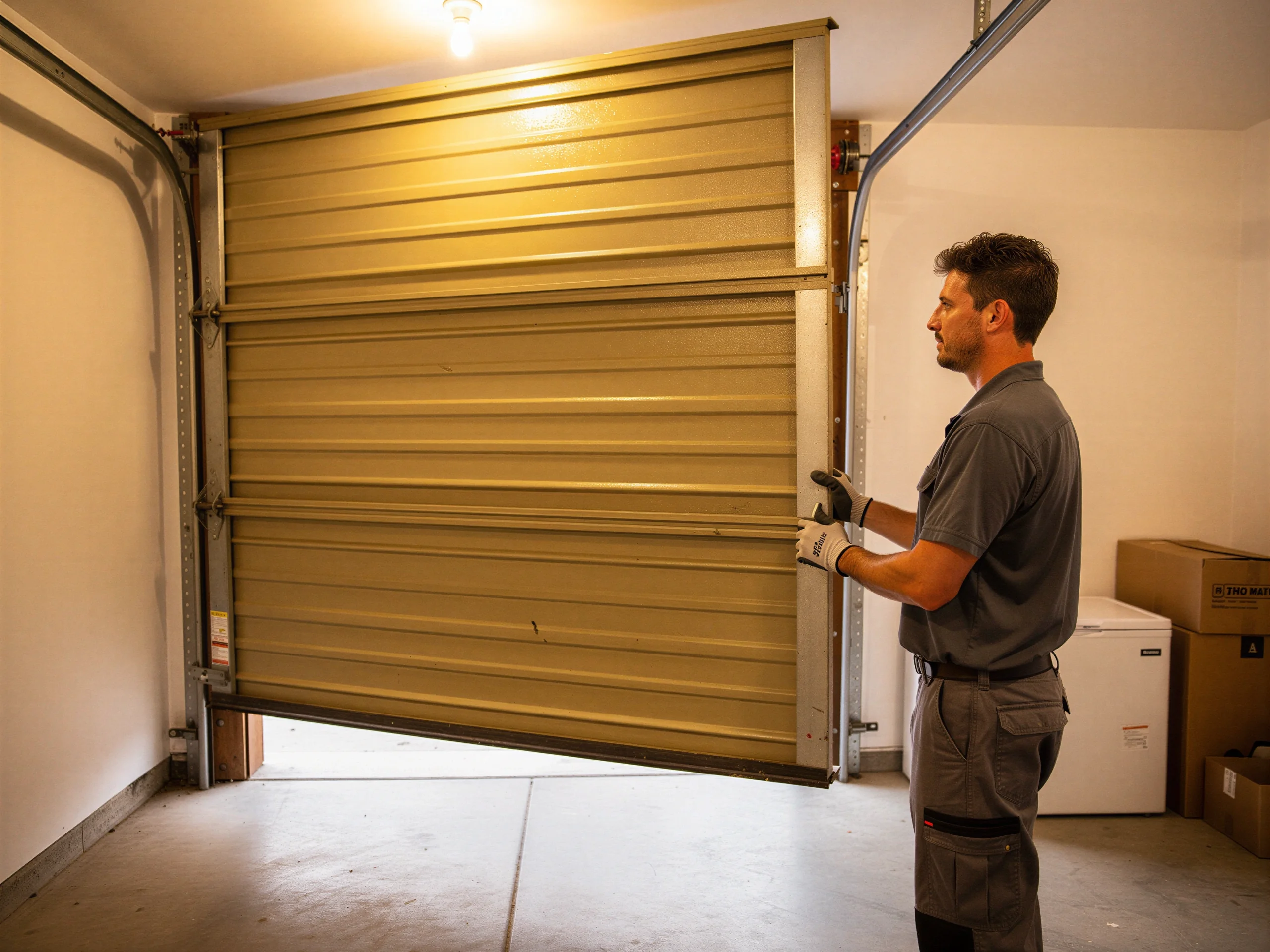
The call we get most from this part of town is a door that's heavier on one side than the other, or one that hangs open a few inches when it's supposed to sit flush on the slab. That's usually a spring losing tension unevenly, not a motor problem, even though the opener gets blamed first.
The other common one: a grinding or popping sound right as the door starts moving, which on a house built in the mid-1960s is often a cable starting to fray on an old drum rather than anything wrong with the spring itself. Either symptom is worth a call before the door drops under its own weight - that's the point where a repair turns into a bigger job.
Talk to a local pro
Garage door service in La Mirada?
Same-day service with honest, upfront quotes.