Why This Fails Locally
The typical house in Arcadia went up around 1965, which puts most garages here squarely in the same window as the rest of the wider service area, where the median build year sits at 1964 across 591,672 households. The difference in Arcadia is what's still bolted to the header above the door: a huge share of these openers have never been swapped out. A chain-drive unit from that era was built to run the door, not to sense a toddler's bike wheel under it or talk to a phone. When it finally quits, it's not a fluke - it's a 55-plus year old motor and gear set reaching the end of what gear sets are built for. Because the area sits in a mild temperate climate band, the failure isn't heat-cracked plastic housings or ice-jammed rails like you'd see somewhere with real winters. It's wear: stripped nylon gears, a worn-out capacitor, a logic board that was never meant to run this long. Arcadia's household income, at $116,142, is well above the $95,385 median for the broader area we cover, and that shows up in what people ask for - fewer owners patch the old unit, more just replace it once and move on.
Getting It Booked In
We run this job out of La Mirada, about 16 miles from Arcadia, so a visit here gets scheduled rather than squeezed in on a drive-by. That's not a complaint about the distance - it's just the honest shape of how the route works. When you call, we talk through what opener is on the door now (chain, belt, or screw drive), whether the rail length and mounting still match a standard bracket from 1965-era framing, and whether the existing wiring will take a new logic board without a rewire. Most of that we can sort out over the phone or from photos, which cuts down on a wasted first trip. If the door itself has issues beyond the opener - a bent track, a spring that's seen better days - that's a separate conversation, and you can see what that side of things looks like on our Arcadia garage door repair page. We'd rather diagnose that upfront than show up with an opener that gets installed onto a door that's the real problem.
The Cost of This Job
We're not going to put a number here that we can't back up - pricing depends on the opener model, the drive type, and what, if anything, needs rewiring or reinforcing on a door frame that's held the same bracket since the 1960s.
Straight swap is cheapest
What we can tell you is what drives the cost up or down: a straight swap, same mounting, same rail length, is the cheapest version of this job. A house where the header needs reinforcing, or where the old unit's wiring doesn't meet current code for a photo-eye safety sensor, costs more because that's additional work, not just parts.
Battery backup upgrades
Given the income profile in Arcadia sits well above the wider area average, we see more owners choosing a mid-to-upper-tier opener with battery backup over the base model - that's a buying decision, not something we push.
Written quote upfront
Ask for a written quote before the truck leaves La Mirada; we'd rather give you a number tied to your actual door than a range that means nothing.
What Can Go Wrong
The single biggest risk on a 1965-era setup is a header bracket that was fine for the original lightweight chain-drive unit but wasn't built for a heavier belt-drive replacement with a bigger motor housing.
Pre-1965 sensor gap
We check that before the old unit comes down. The second risk is safety sensors - homes built in 1965 predate the federal requirement for photo-eye sensors on residential openers, so if the original unit was ever swapped once already without adding them, that gap needs closing now, not later.
Old wiring capacity
Wiring is the third thing: original Romex from that era, if it's still in place and hasn't been updated, may not be rated for a modern opener's draw, and running new line is extra labor we'll flag before we start, not after.
Planning for common issues
None of this is unique to any one house in Arcadia, but it's common enough across the area's housing stock that we plan for it on every call rather than treating it as a surprise.
What the Fix Involves
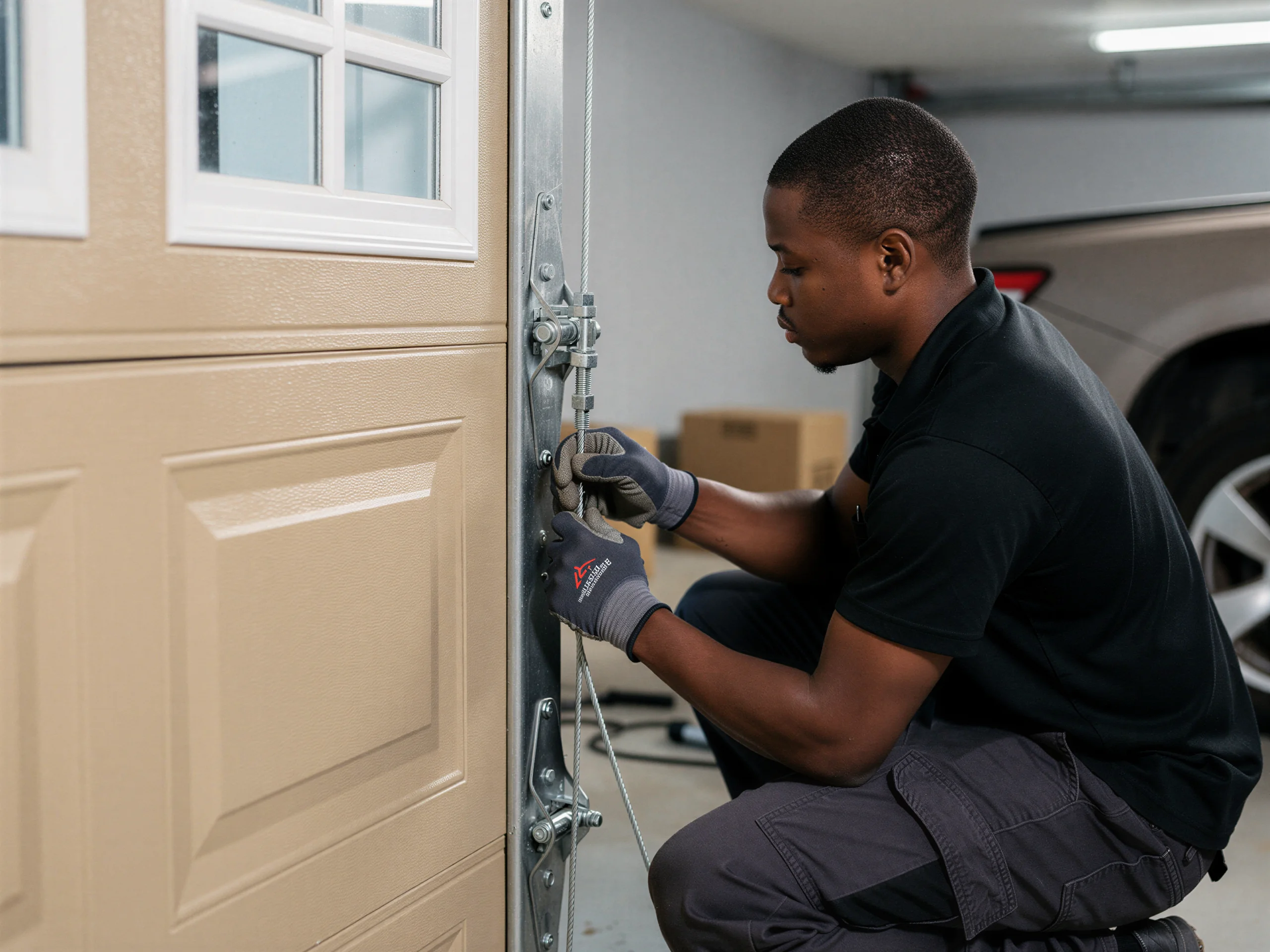
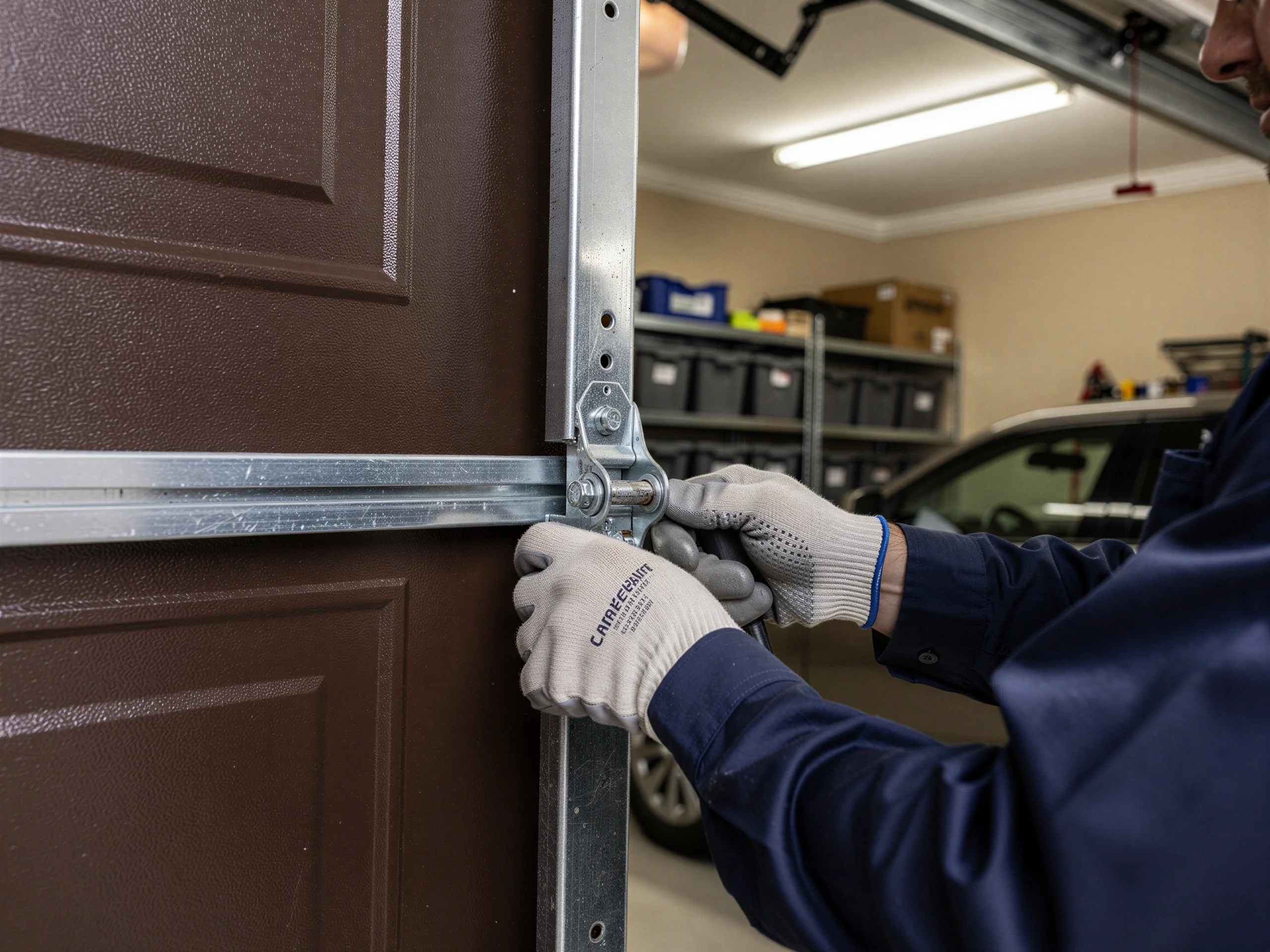
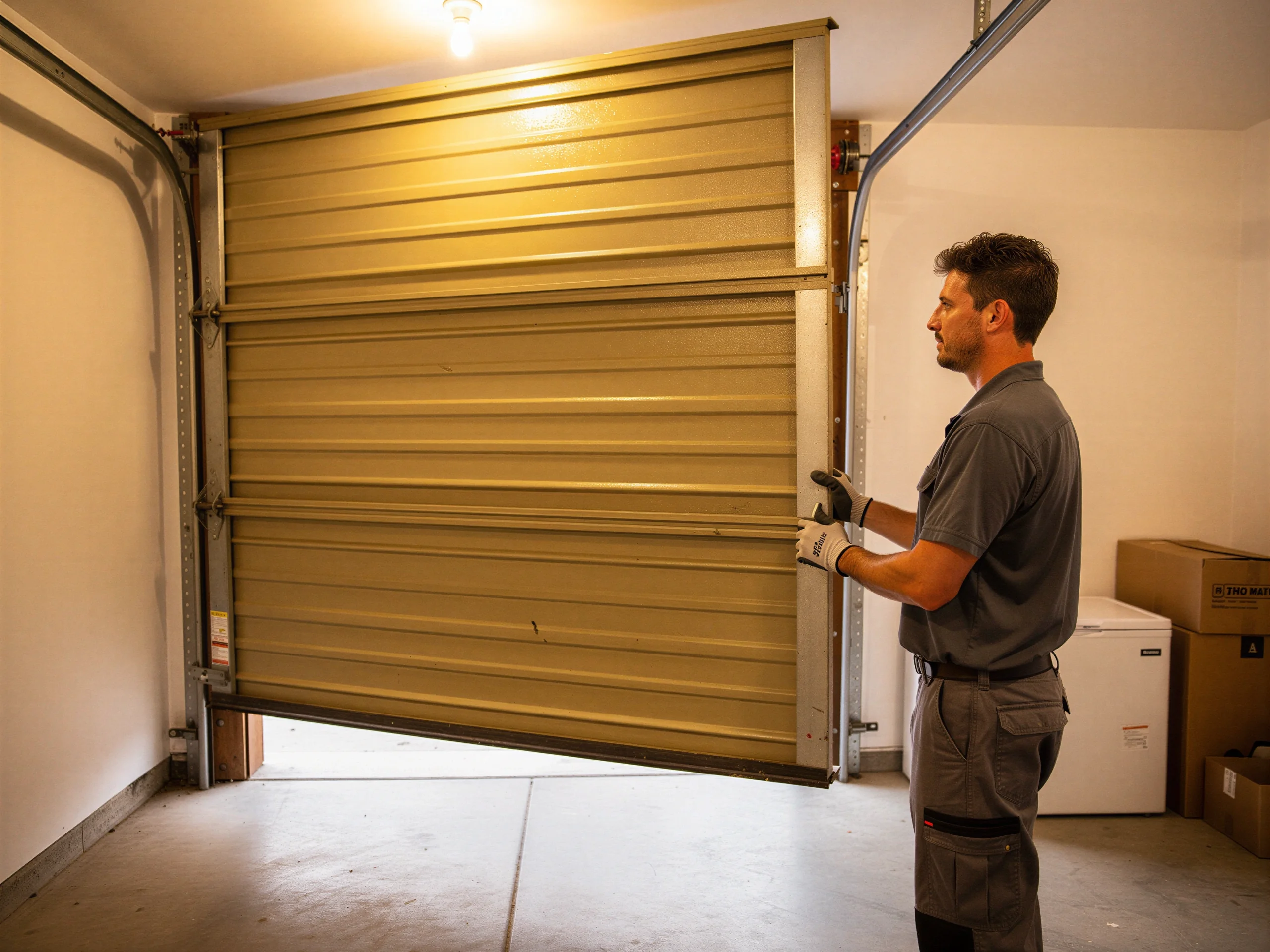
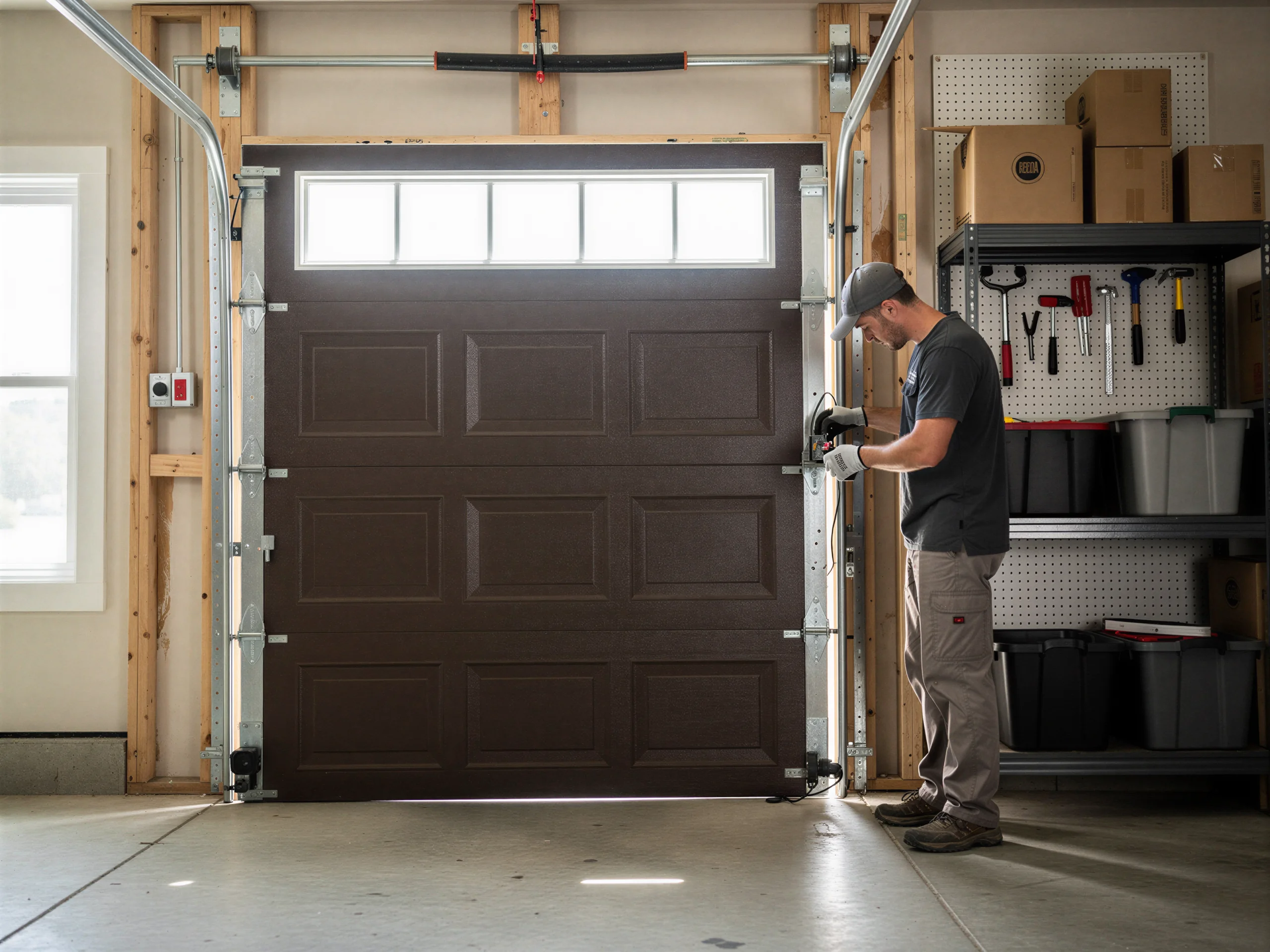
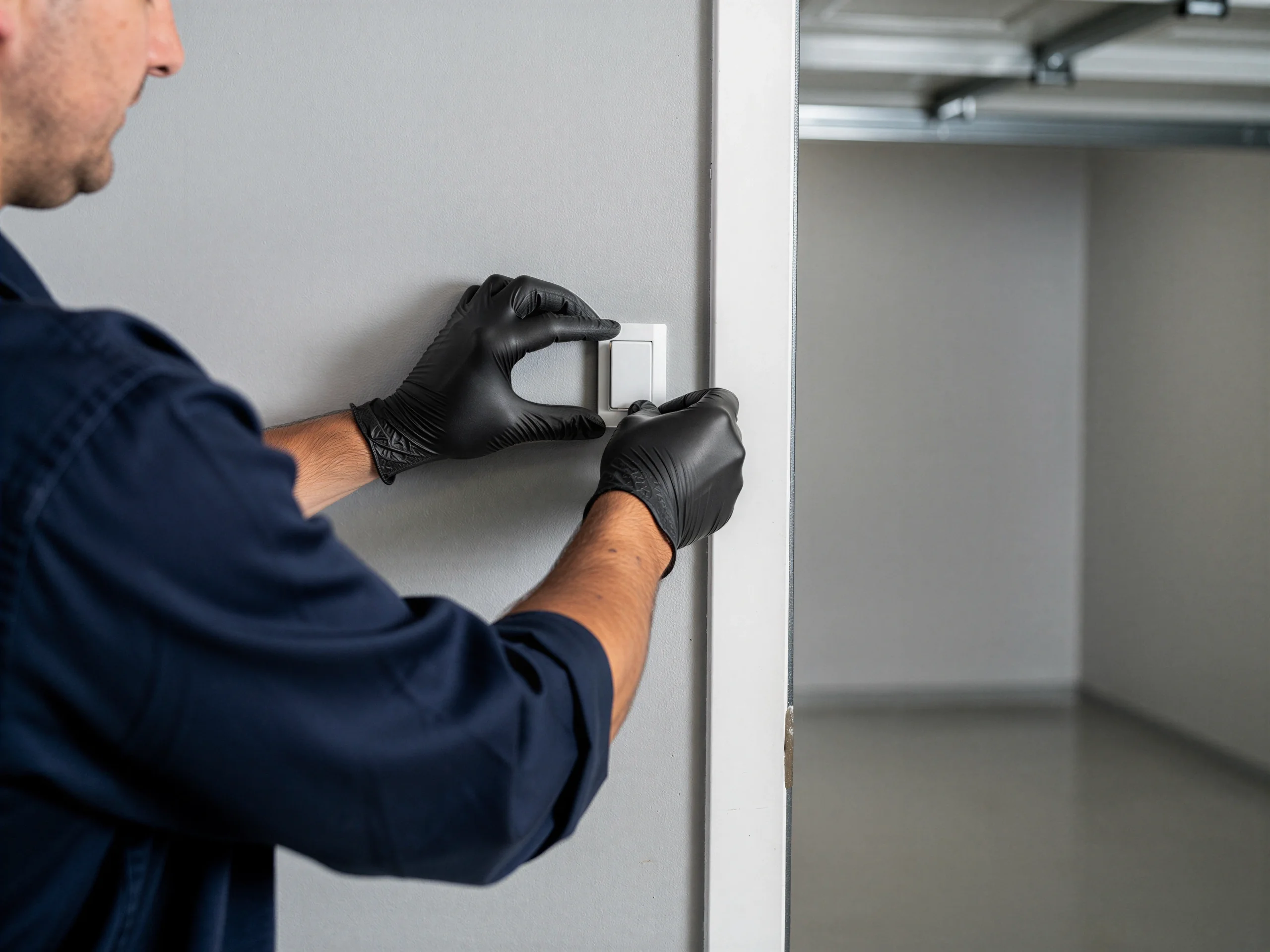
We pull the old unit down, inspect the header and the track alignment, and confirm the door itself is balanced before any new opener goes up - an opener fighting an unbalanced door burns out fast regardless of how new it is. From there it's mounting the new unit, running power and sensor wiring to current code, programming the remote and any wall control, and setting the travel limits so the door doesn't slam the floor or strain against the top of the track. On houses with original 1965 framing we spend extra time checking the bracket can carry the new unit's weight; if it can't, we reinforce it rather than bolt a heavier motor to hardware that wasn't rated for it. Last step is a force test - making sure the door reverses on contact the way code requires, not just the way it used to.
The Symptom
The calls we get from this part of the area tend to start the same way: the door hesitates, then runs partway, then stops - the opener straining against age rather than against anything wrong with the door panel itself.
Dying logic board
Sometimes it's a grinding sound from a stripped gear, sometimes it's the remote working some days and not others, which usually points to a dying logic board rather than a battery.
Random reversal from sensors
A door that reverses on its own halfway down, with no obvious obstruction, is often the oldest kind of failure here: a safety sensor that was either never installed or has drifted out of alignment after decades on the same bracket.
Don't leave it open
None of these are dangerous to live with for a day or two while you book a visit, but a door that won't fully close shouldn't sit open overnight - more on what else might be at play on our Arcadia garage door repair page, and for the La Mirada side of this same service, see opener installation in La Mirada.
Talk to a local pro
Garage door service in La Mirada?
Same-day service with honest, upfront quotes.