Can You Do This Yourself
Most garage doors in Cypress went up around 1971, when builders here were putting steel sectional panels on steel track with steel or early nylon rollers - not the wood slab doors on hinges you'd find in older tracts a few miles inland.
Track lip wear
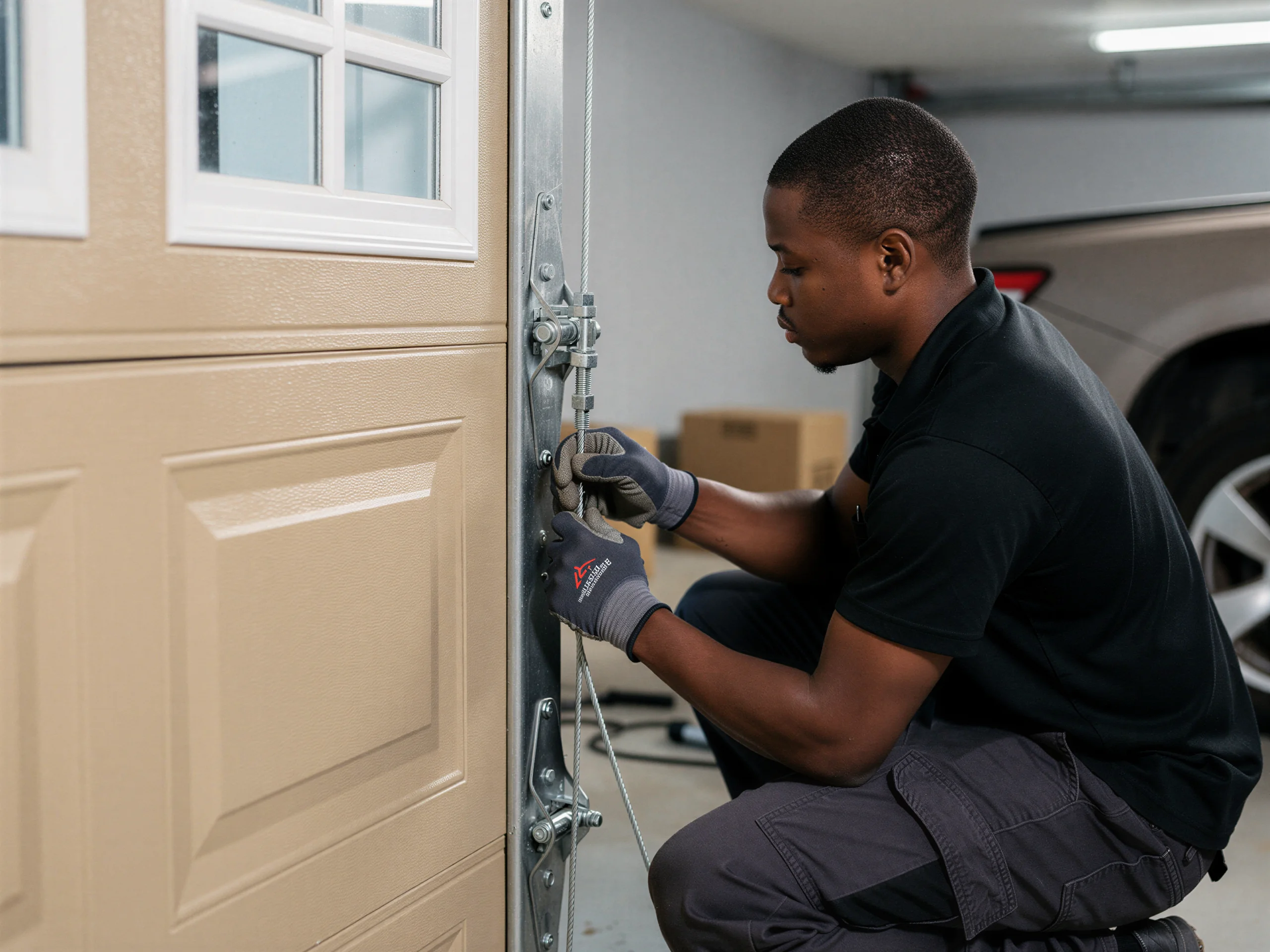
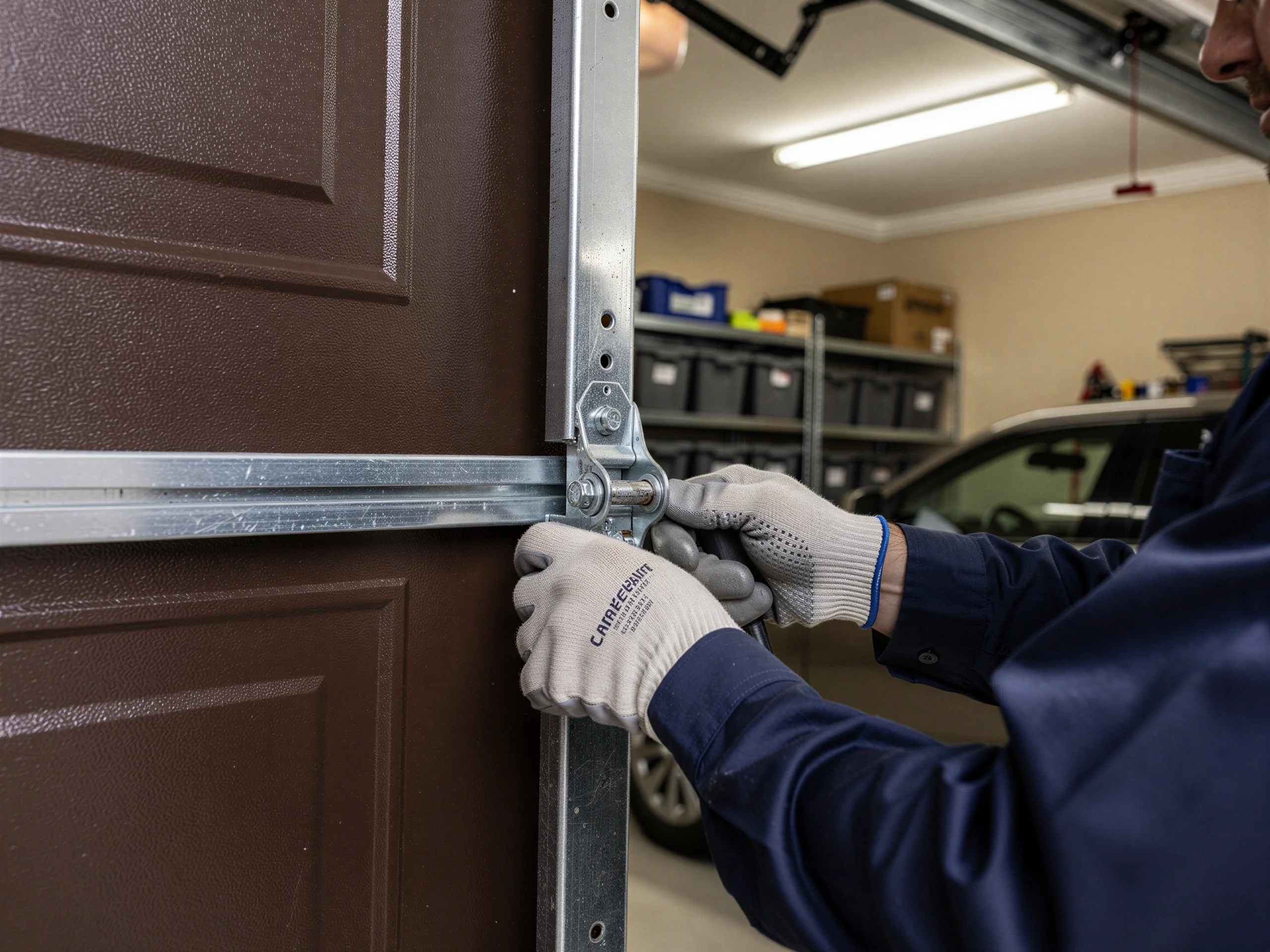
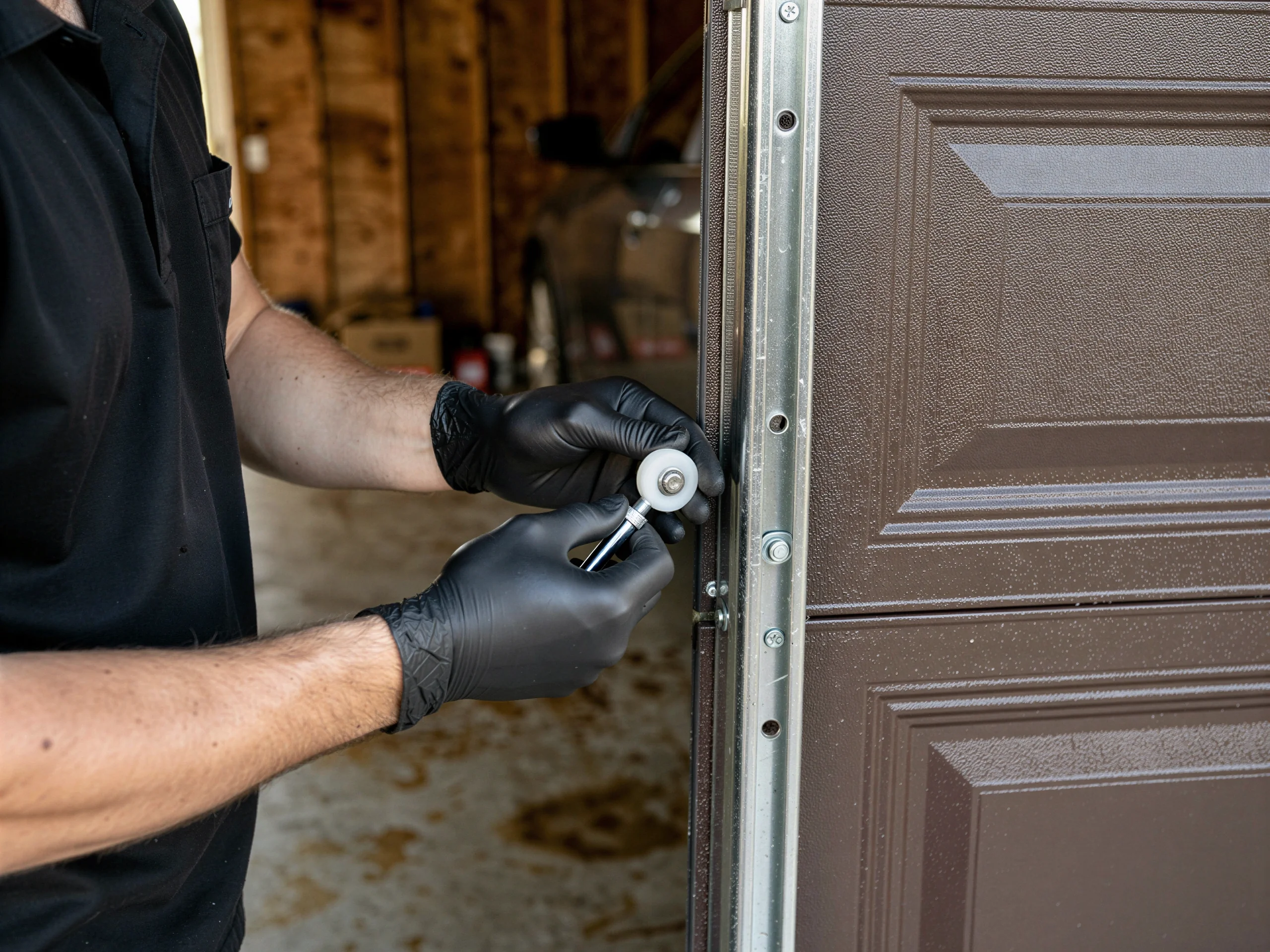
That matters because a steel roller on steel track is loud, rigid, and wears the track lip in a specific way that a newer nylon roller won't replicate if you just swap parts without checking the track itself. A homeowner with the right tools can replace rollers on a door that's already down and unplugged, one roller at a time, keeping tension on the cable where needed.
Bent original brackets
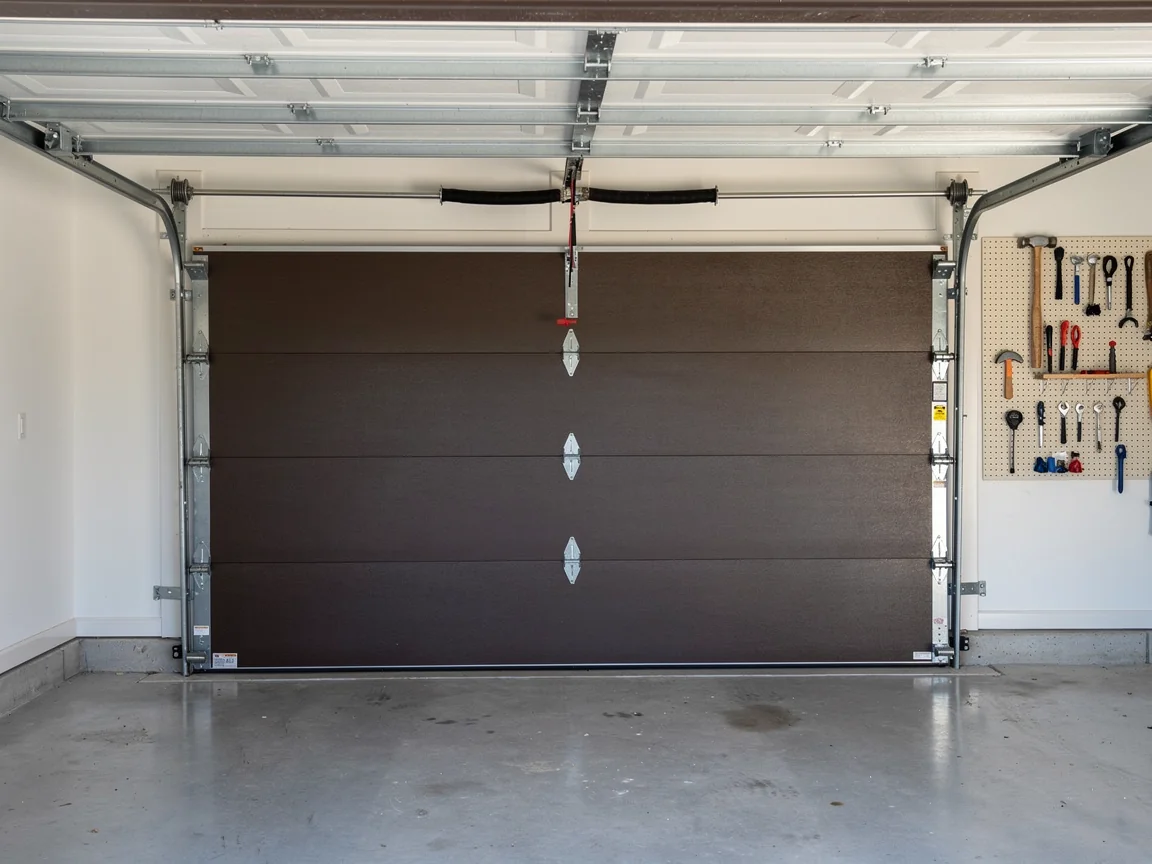
It's not the hardest job in a garage. But on a door this old, the track brackets are often the original ones, slightly bent from fifty-plus years of the door riding against them, and a DIY roller swap on a bent track just transfers the wear to the new part faster.
Alignment hiding behind rollers
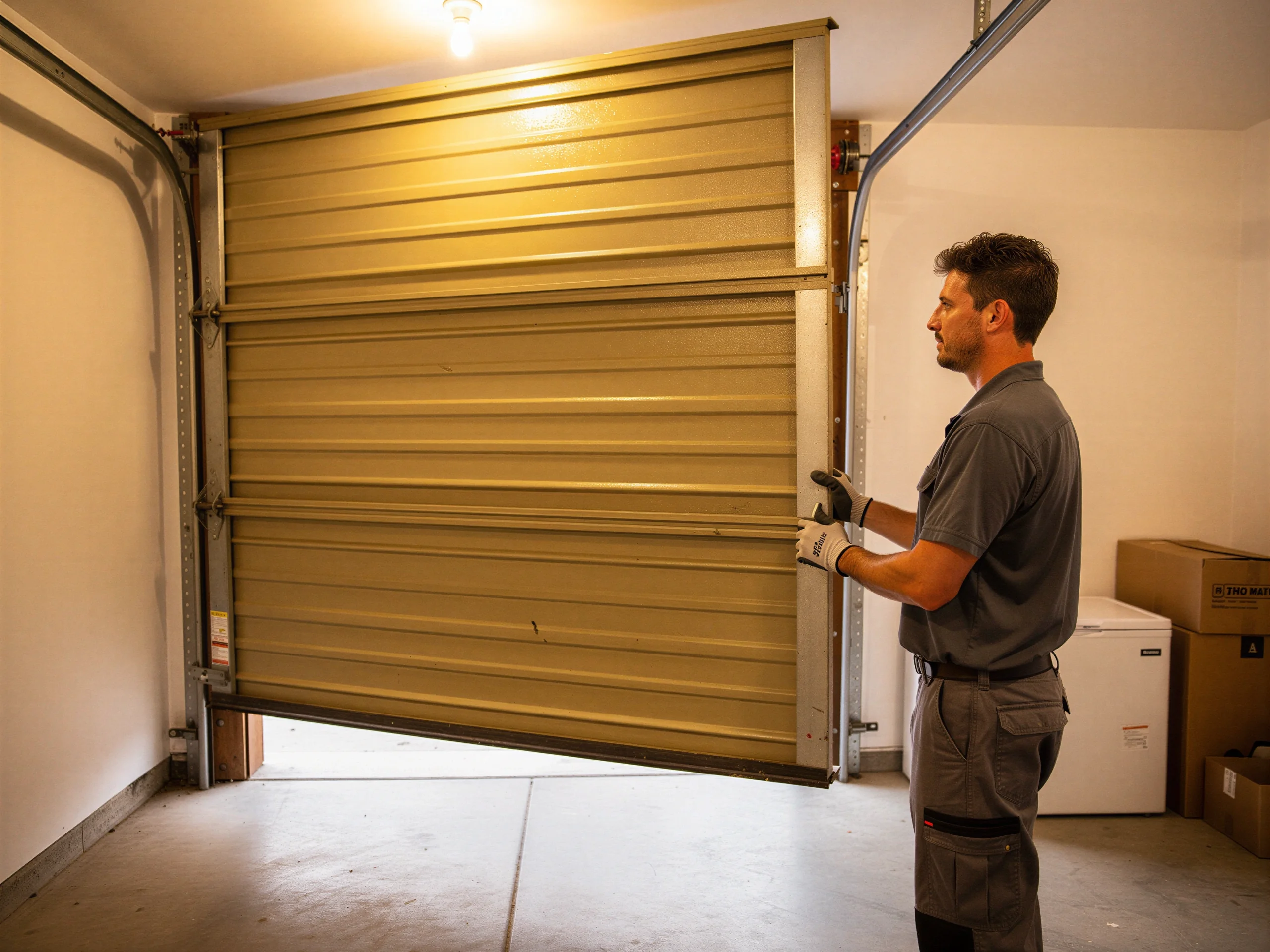
If the door binds, scrapes, or jumps the track on the way down, that's a track-alignment problem hiding behind a roller problem, and it's worth having someone look at both at once rather than buying rollers twice.
Check track before ordering
We don't keep a crew stationed in Cypress - we come from La Mirada for this job, so if you're set on doing it yourself, start by checking whether the track is still straight before you order parts.
What Can Go Wrong
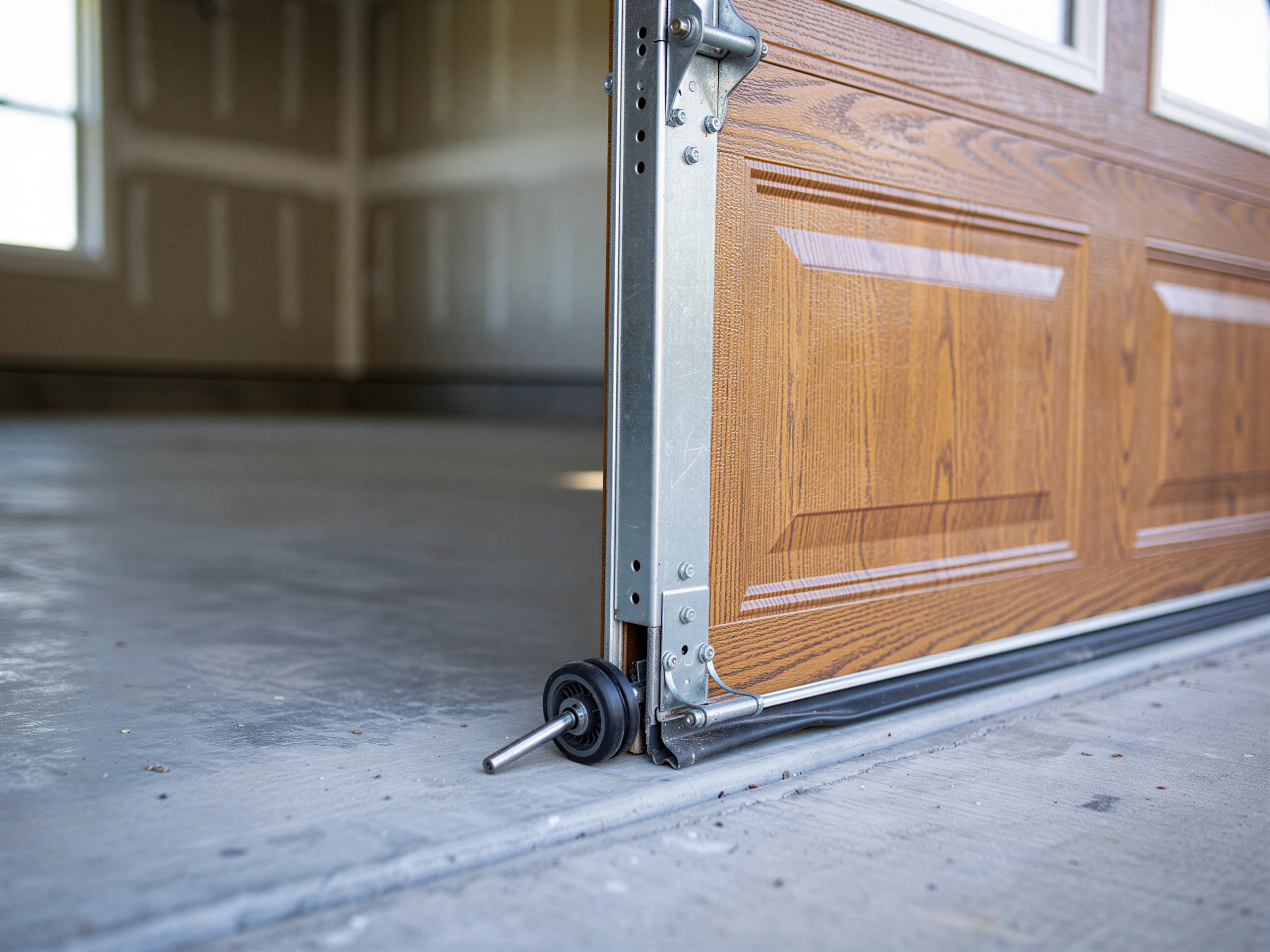
On a door built around 1971, the most common failure isn't the roller snapping - it's the roller wheel cracking or flattening on one side while the steel stem underneath stays fine, so the door still moves but grinds and shudders instead of gliding.
Uneven track settling
That uneven wear usually means the track has settled unevenly over the decades, which on a house this age is common enough that we check it on every roller call here rather than assuming a clean swap. The other failure we see on 1970s steel rollers is rust seizing the wheel to the stem, so the roller stops spinning and starts dragging - again, grinding, not snapping.
Seized from no lubrication
Cypress sits in a mild temperate band with none of the freeze-thaw cycling that cracks rubber and rusts hardware fast elsewhere, so this seizing is almost always age and lack of lubrication rather than weather damage. That's one honest limitation worth saying plainly: if a door here needs rollers, it's wear, not storm damage, and we're not going to invent a weather story to make the job sound more urgent than it is.
Bent track first
What we won't do is replace rollers on a track that's bent badly enough to keep eating new ones - in that case the track needs straightening or replacing first, or the new rollers fail again inside a year.
Time on the Job
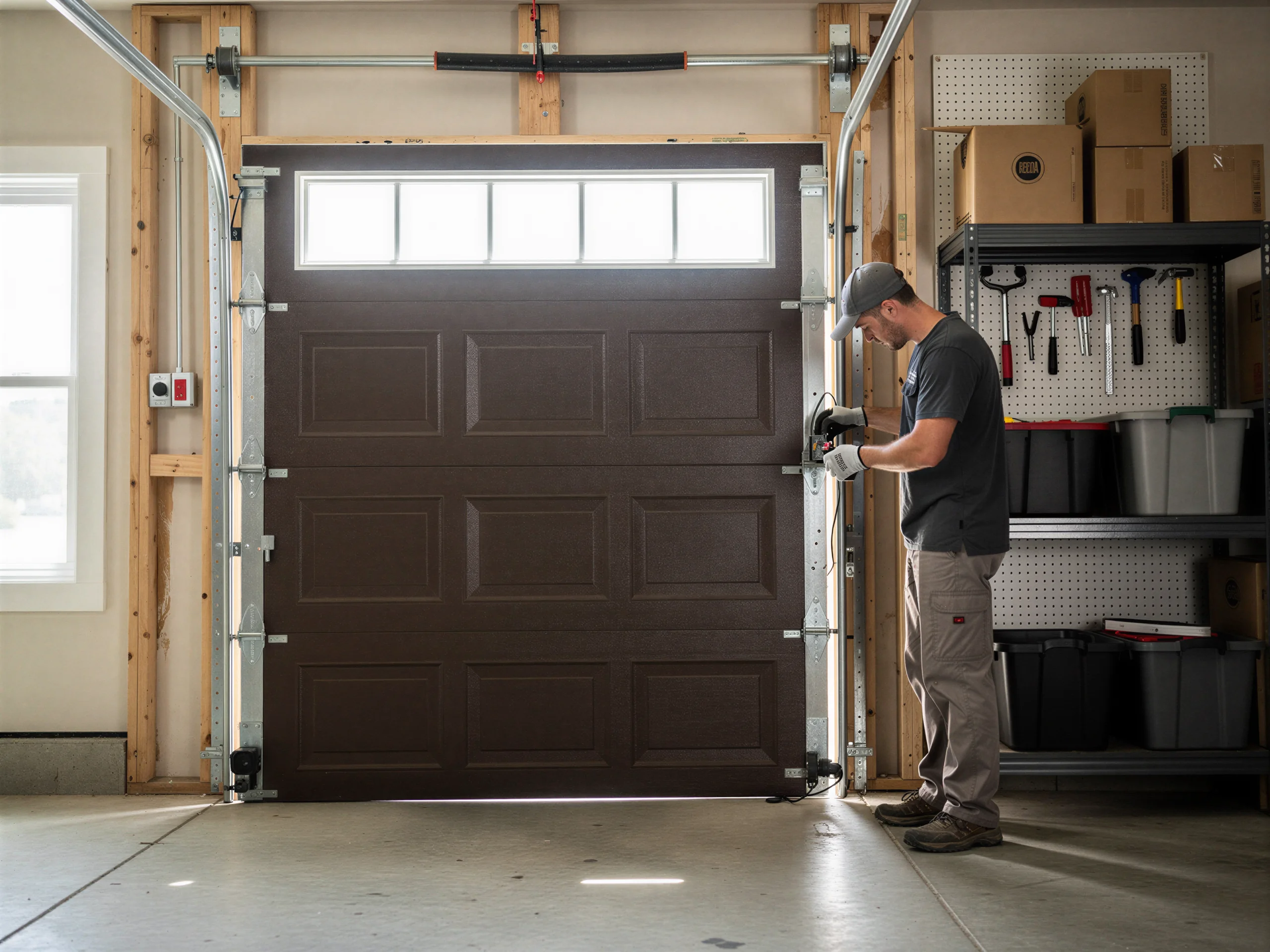
A straight roller swap on a double door, once we're on site, is a short job - the rollers come out one at a time with the door supported, and a full set on a two-car door doesn't take long once the track is confirmed straight.
Surprises once door opens
Where the time actually goes on a Cypress call is the six miles from La Mirada and whatever we find once the door's open: a bent bracket, a cracked panel seam from the original 1971 install, or cable wear that wasn't visible until the door's hanging loose.
Same-order failures
With close to 15,988 households in Cypress built in the same narrow window, we tend to see the same hardware fail in roughly the same order from one street to the next - rollers first, then the track brackets they were riding in, then occasionally the opener arm if the door's been dragging for a while before anyone calls.
Bringing likely parts
Knowing that pattern ahead of time means we bring the parts likely to be needed rather than making a return trip for a bracket that was always going to be the real problem. We quote the job once we've seen the track in person, not over the phone, because a straight-track roller job and a bent-track one aren't the same price or the same hour count.
The Symptom
The sound comes first: a rhythmic grinding or a single loud clunk each time the door passes a certain point, instead of the smooth rolling hum a healthy track should make. On the steel-roller doors common to Cypress's early-1970s housing, that clunk is usually one or two rollers that have flattened or cracked while the rest are still fine, which is why a full-set replacement rather than a one-off swap tends to be the better call - the others are close behind.
A second symptom worth flagging separately: the door hesitates or jumps slightly at the same spot on every cycle. That's not the roller itself failing yet - it's the roller riding over a worn or slightly bent section of track, and replacing the roller without addressing that spot just buys a few months. With household incomes in Cypress running well above the wider service area's median, most owners we talk to here choose to replace the full roller set and have the track checked in the same visit rather than patch one roller twice in a year.
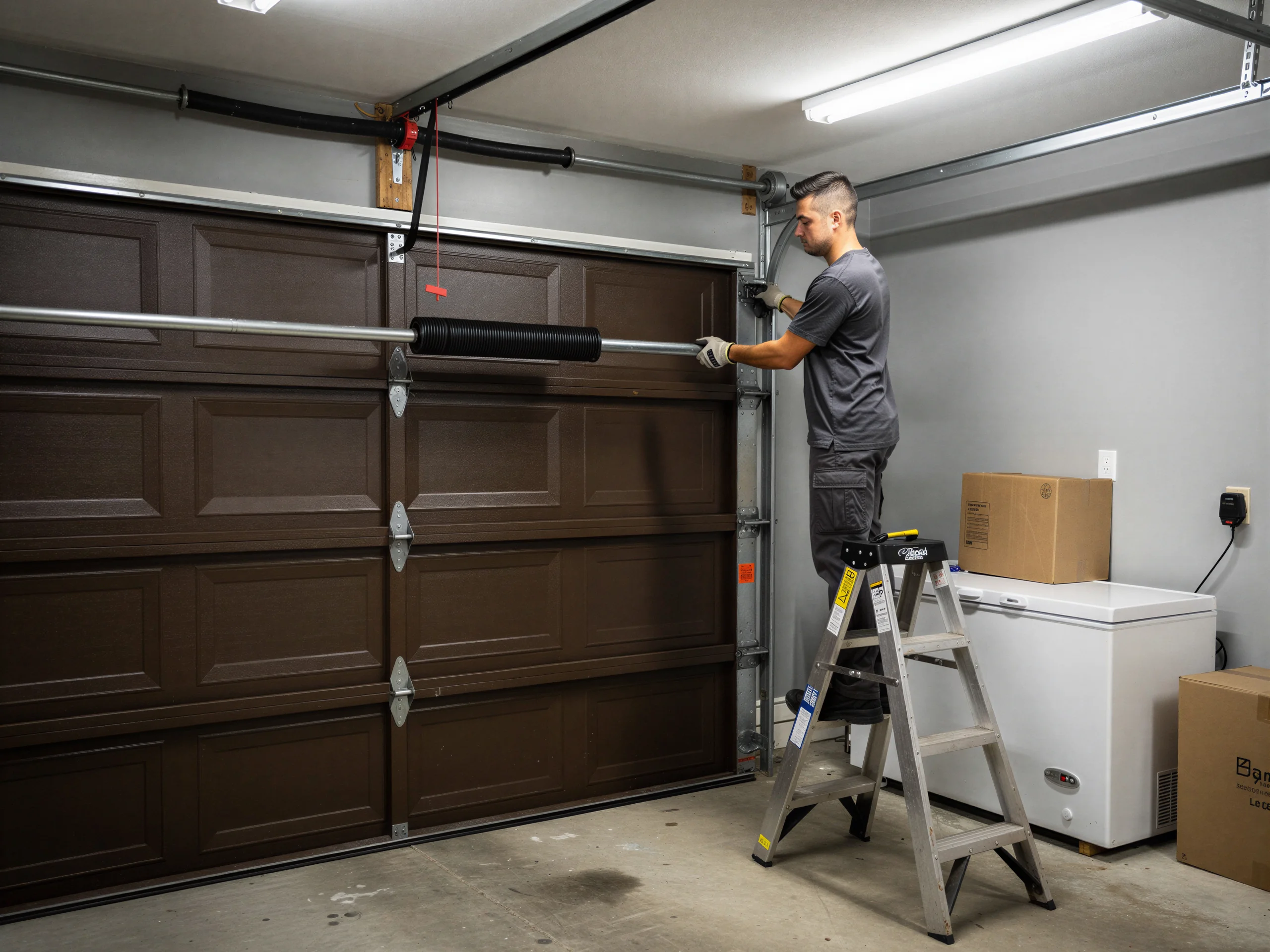
If the door won't move at all, that's not a roller problem - it's a spring or cable job, and a different conversation.
Talk to a local pro
Garage door service in La Mirada?
Same-day service with honest, upfront quotes.