Can You Do This Yourself
Cypress's housing stock centers on 1971, which puts most of these garages past the side-mounted extension spring era and into overhead torsion systems from the start.
Shaft spring snap risk
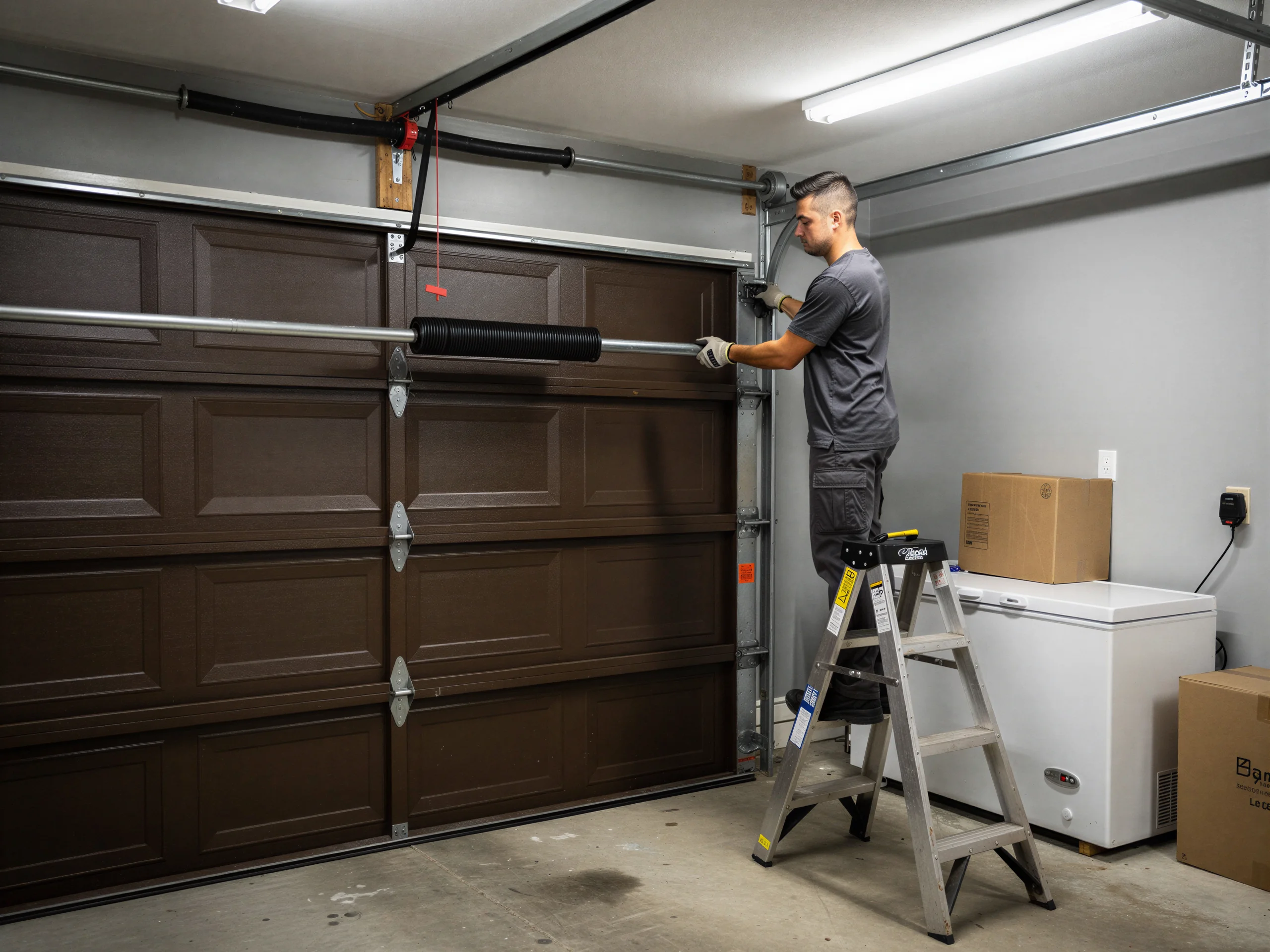
That's the setup where the spring sits on a steel shaft above the door, wound to a tension that can snap a wrist or worse if the winding bars slip. A torsion spring under full load stores enough energy to do real damage, and there's no safe shortcut around that. We're not going to tell you this is a weekend project with the right wrench set.
Maintenance you can do
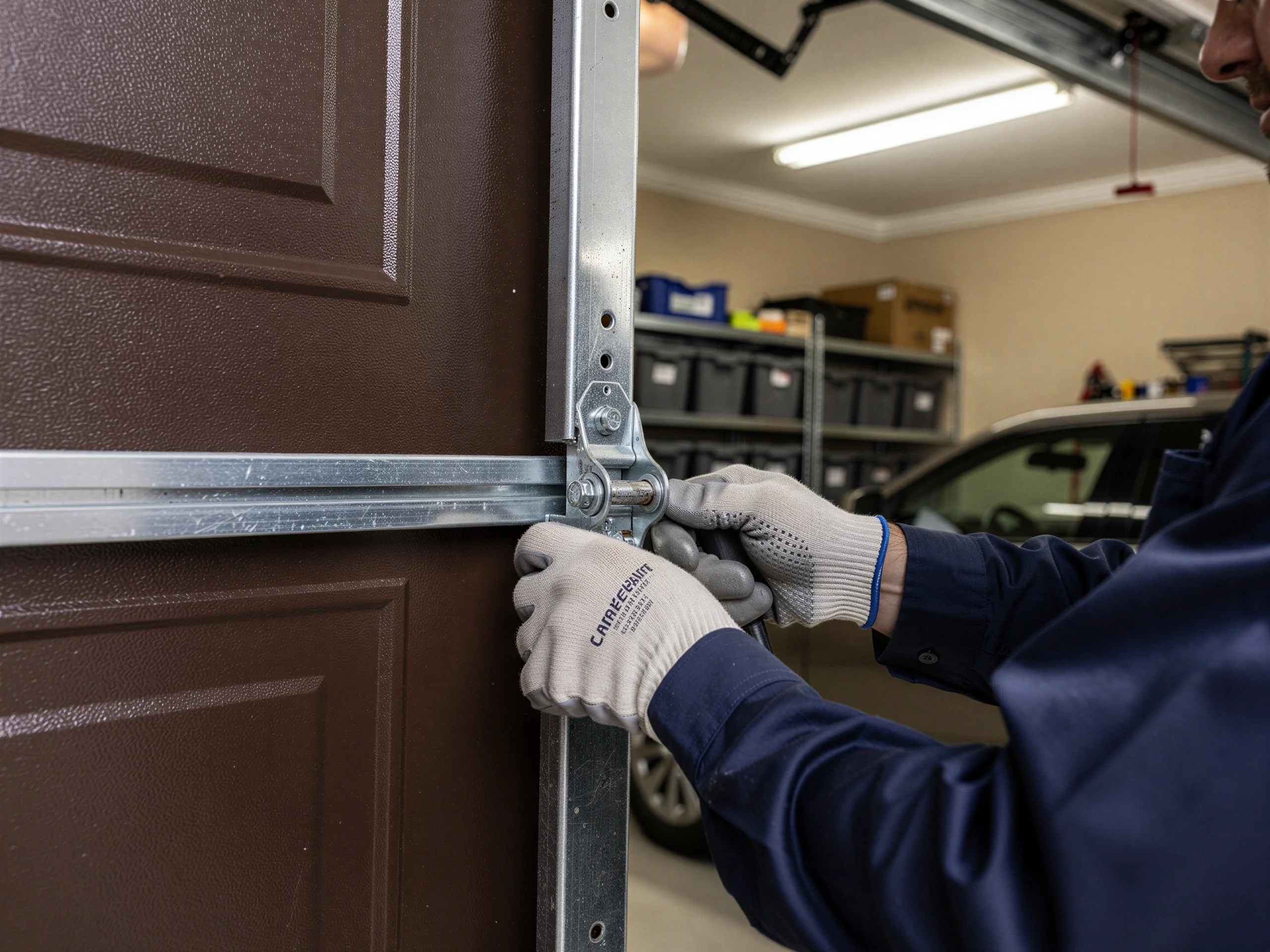
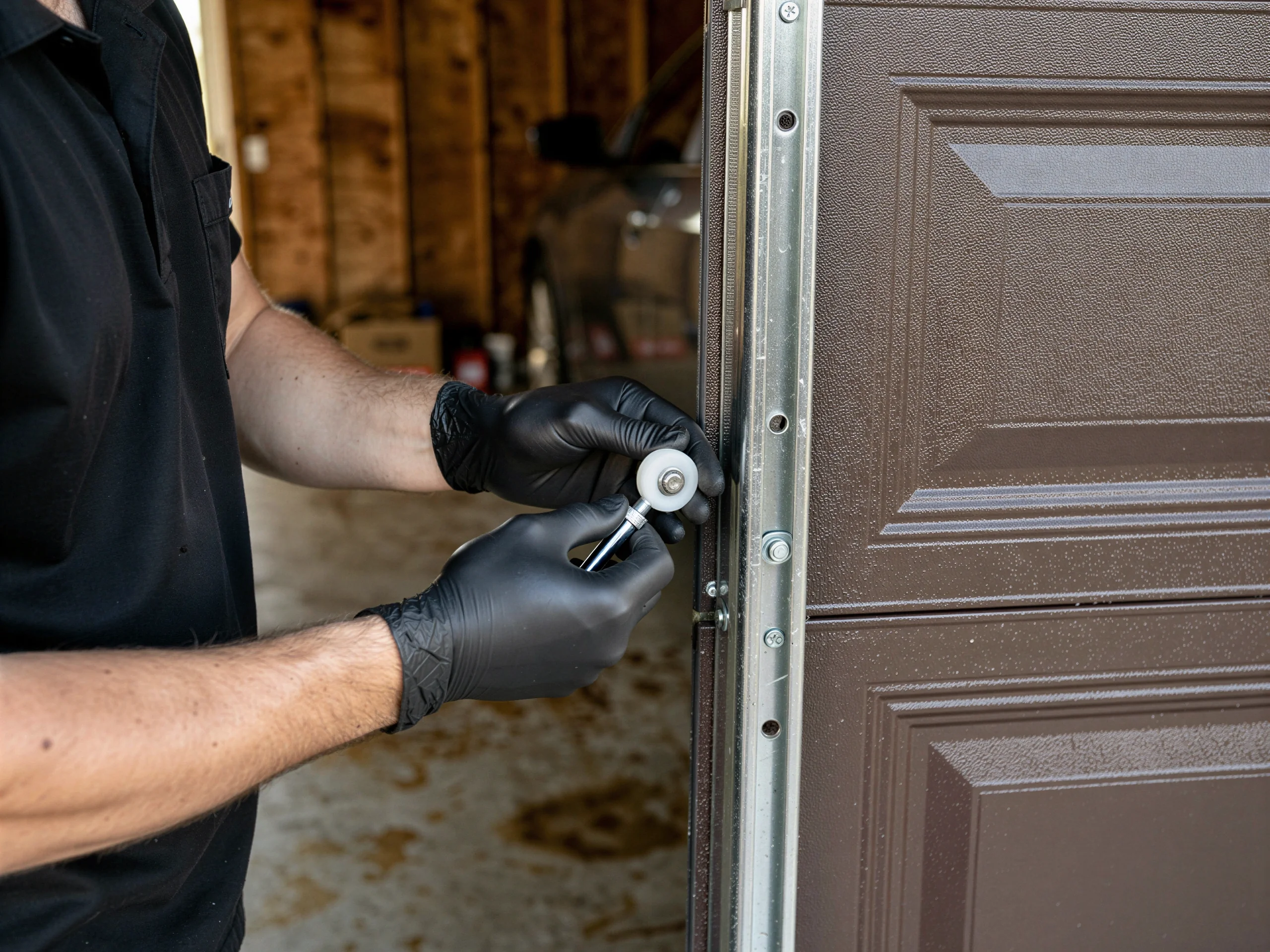
It isn't, and we won't sell you a kit to pretend otherwise. If you're set on doing your own maintenance, lubricating rollers and hinges, checking the track for gaps, tightening loose bolts - that's reasonable. Winding or unwinding the spring itself is the one step where we'd rather get the call than read about it after.
Income doesn't change wear
Median income in Cypress runs well above the wider area average, and we've found that doesn't change what the hardware needs - a 1971 torsion setup wears the same way whether the house is worth more or less. The honest limit here: we can talk you through inspection over the phone, but we won't walk you through a spring swap. That's a truck call, not a tutorial.
What Can Go Wrong
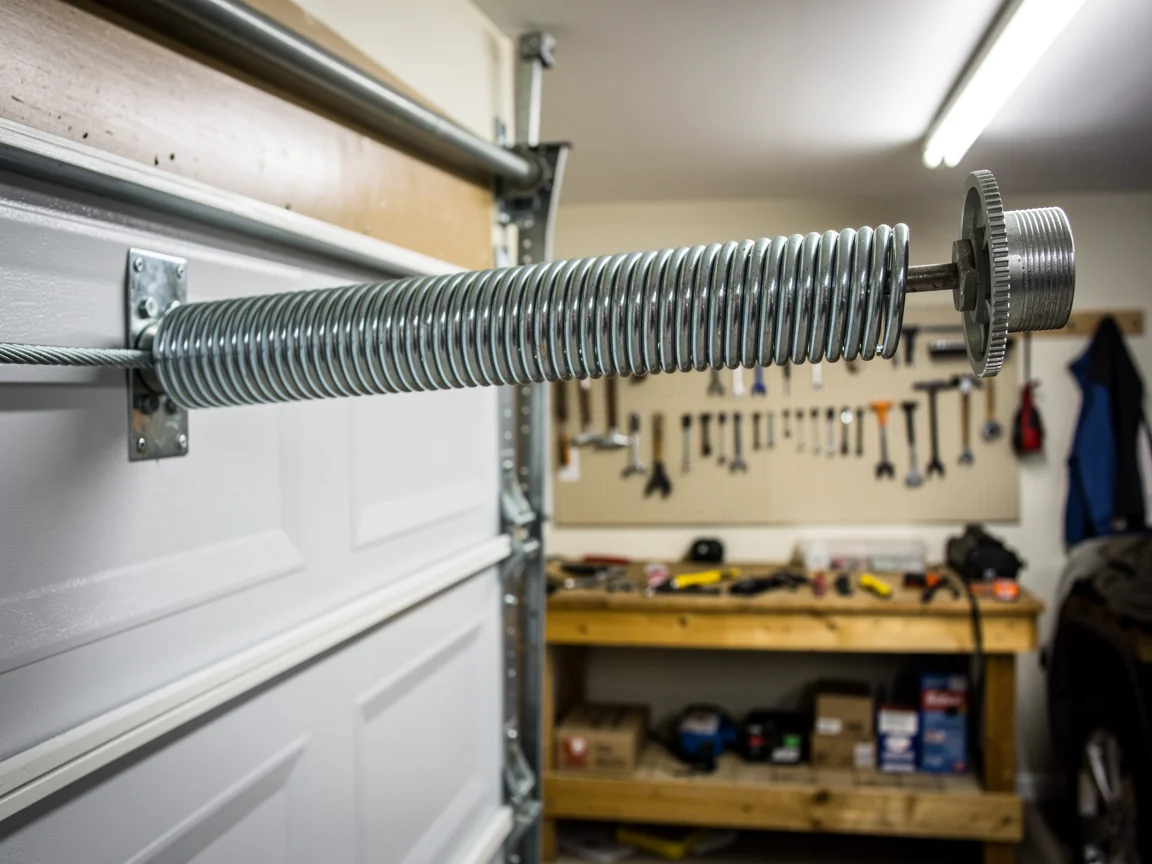
Doors going up around 1971 in Cypress typically shipped with steel torsion springs rated for a cycle count that, after fifty-plus years, most have already burned through more than once if nobody's replaced them.
Galvanized coil cycling
The mild temperate climate here means you're not fighting the rust and ice-load failures that colder regions see, but the springs still fatigue from plain use - every open and close is a cycle, and galvanized coil springs have a working life measured in cycles, not years.
Remaining spring overloaded
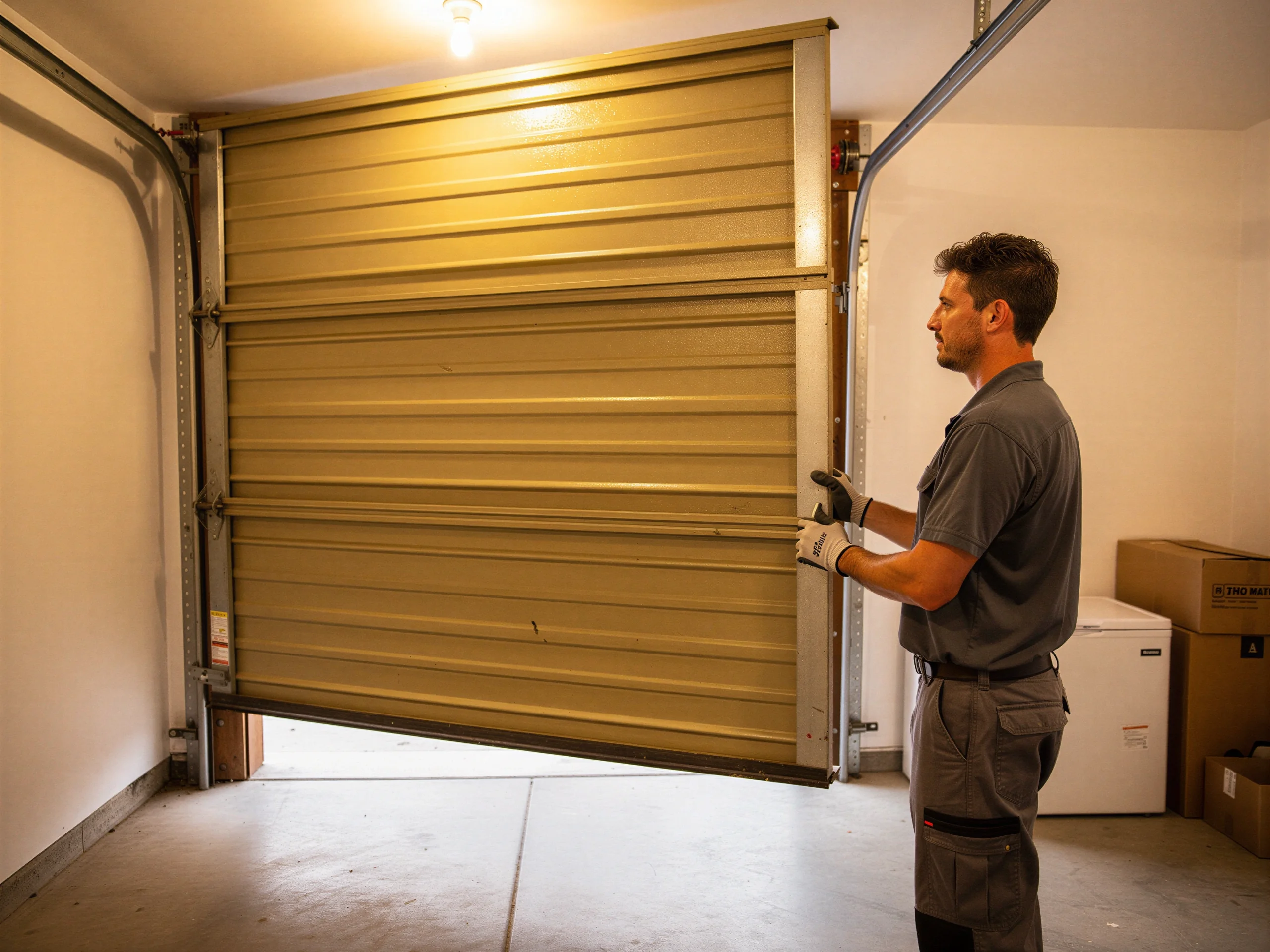
What usually goes wrong: one spring in a two-spring setup fails first, and the door starts tracking crooked or binds partway up because the remaining spring is carrying a load it wasn't built to handle alone. On single-spring torsion setups, common on narrower one-car doors from that era, failure is usually total and sudden - the door drops and won't move either direction.
Loose center support
We also see the center support bracket work loose over decades of vibration, which isn't a spring problem but gets blamed on one. With roughly 16,000 households in Cypress built in that same narrow window, a lot of this hardware is aging on the same clock.
Time on the Job
We run this job out of La Mirada, about 6 miles from Cypress, so there's drive time built into any visit - we're not a branch sitting in town, and we won't claim otherwise.
Surviving spring is worn
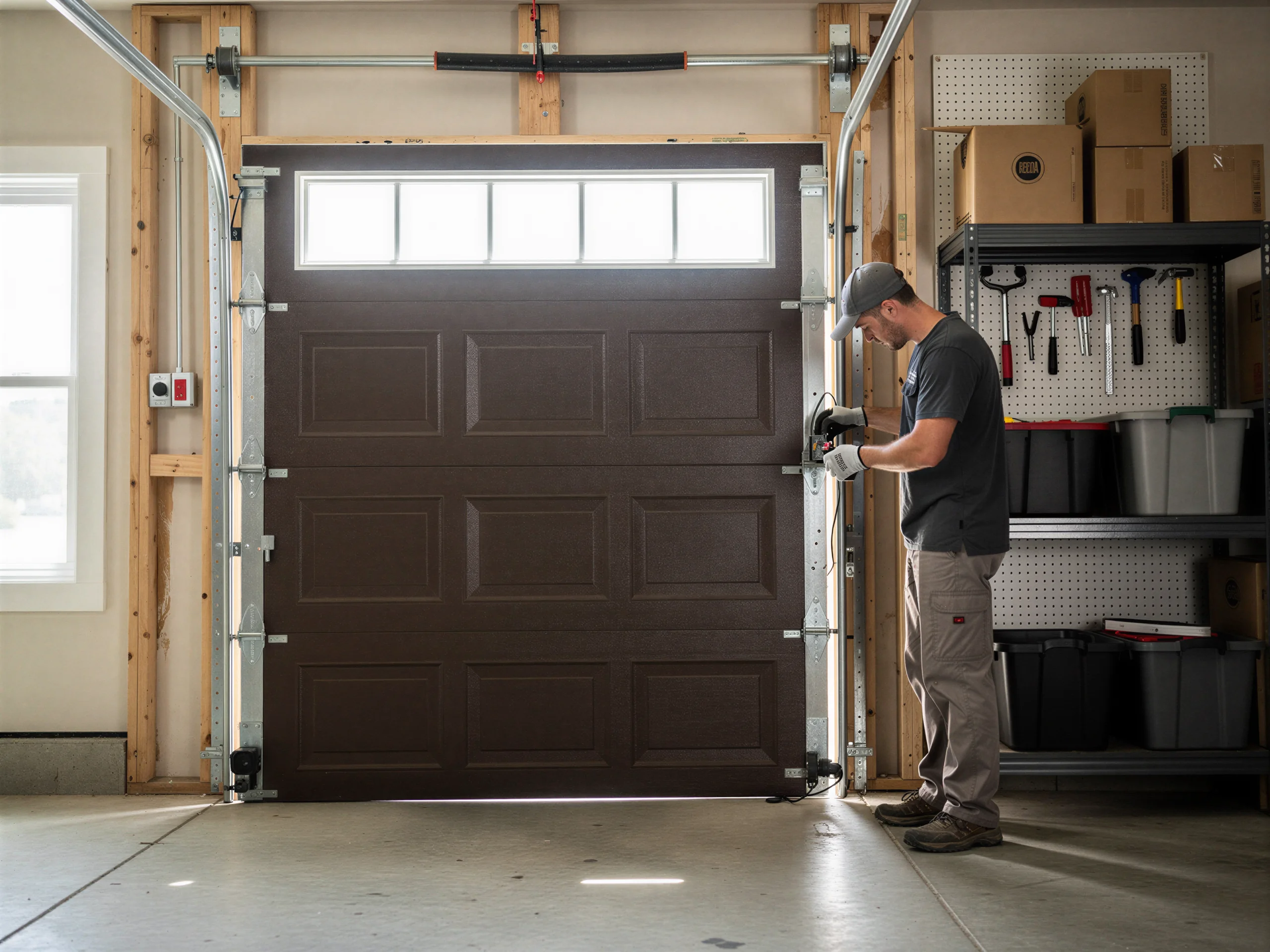
Once we're on site, a standard torsion spring replacement on a double door usually means swapping both springs even if only one broke, since the surviving spring is already partway through its own life and mismatched springs throw the door out of balance. That's a same-visit job in most cases, parts depending.
Era-specific shaft dimensions
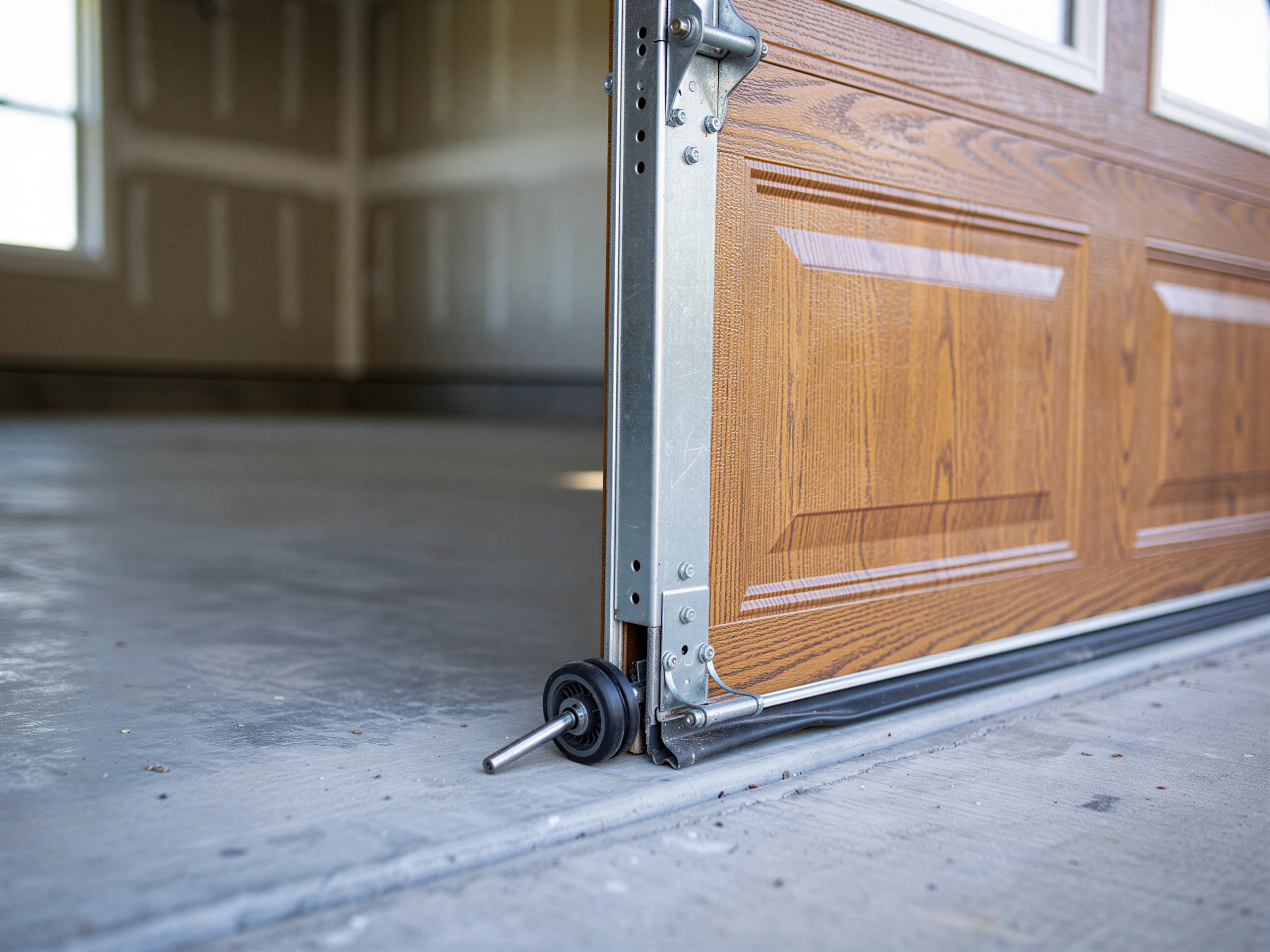
Single-spring setups on narrower doors go faster. What slows things down is hardware specific to the era - some 1971-vintage doors used shaft and bracket dimensions that aren't quite what's sold off the shelf today, and matching the drum size and cable length right matters more than it sounds like it should.
Return trip for unusual
We carry common sizes on the truck; anything unusual gets a return trip. That's the one part of this job we can't promise to finish in a single stop every time, and we'd rather say so than guess wrong in your driveway.
The Symptom
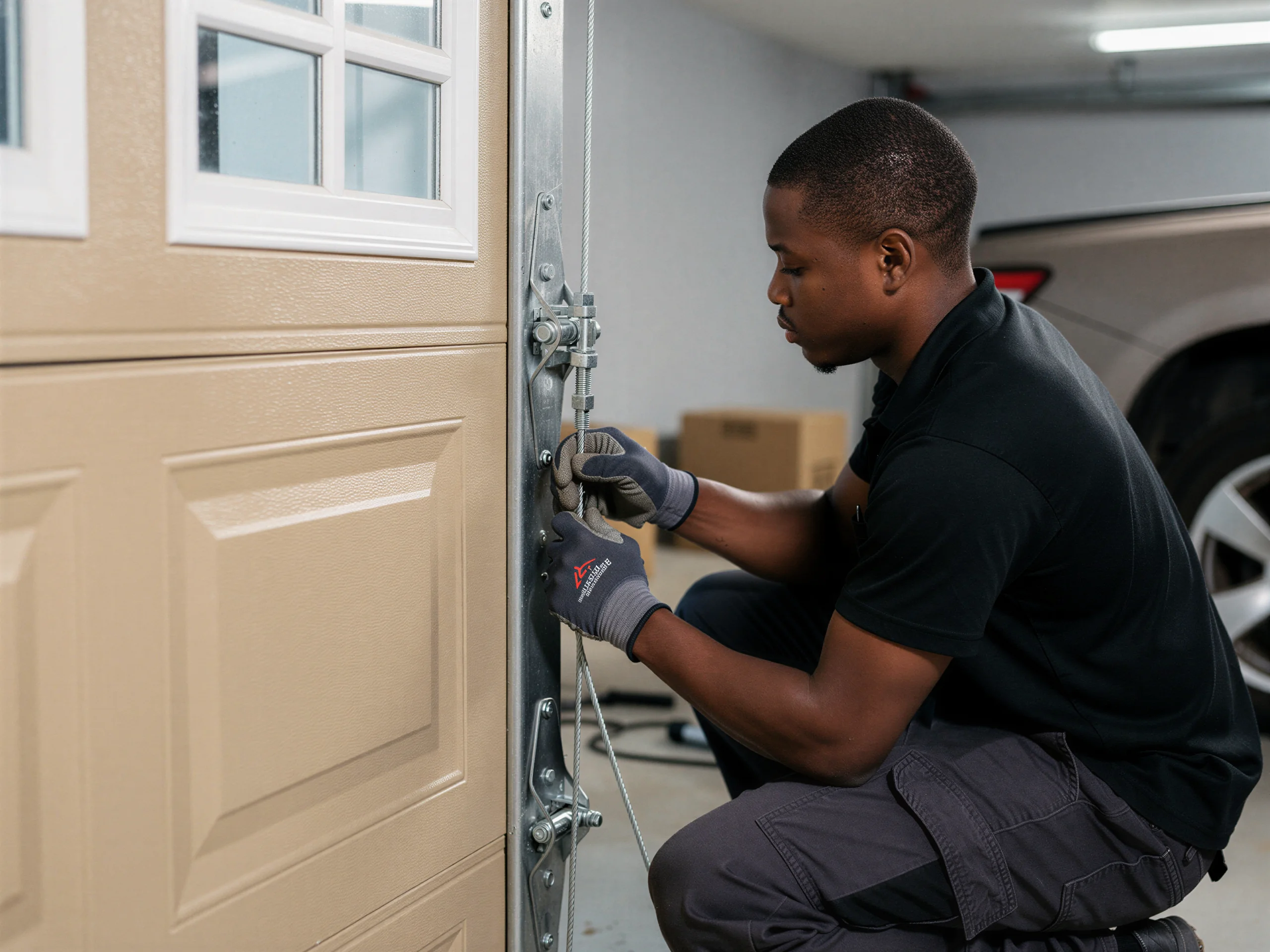
The giveaway for a broken torsion spring is a door that won't budge, or one that the opener strains against and then reverses, because the motor was never built to lift a sectional door's full weight without spring assist. Sometimes you'll hear it before you see it - a loud bang from the garage, which is the spring letting go under tension, startling but not usually damaging anything else nearby. A door that lifts a few inches and stops, or one side that rises faster than the other, points to one spring still holding while its partner is gone. On older torsion setups from the 1971 wave of construction, a frayed or slack cable near the bottom bracket is another sign the spring side has already failed and the cable's just along for the ride now. If your door feels heavier than it used to when you lift it by hand with the opener disconnected, that's the spring losing tension gradually rather than snapping outright - worth a call before it fails all the way.
Talk to a local pro
Garage door service in La Mirada?
Same-day service with honest, upfront quotes.