What Is on the Truck
What we load for a Walnut call looks different from what we carry into the older tracts closer to La Mirada. Walnut's housing centers on 1983, nearly two decades newer than the 1964 median across the rest of the service area we cover.
Torsion sets for sectionals
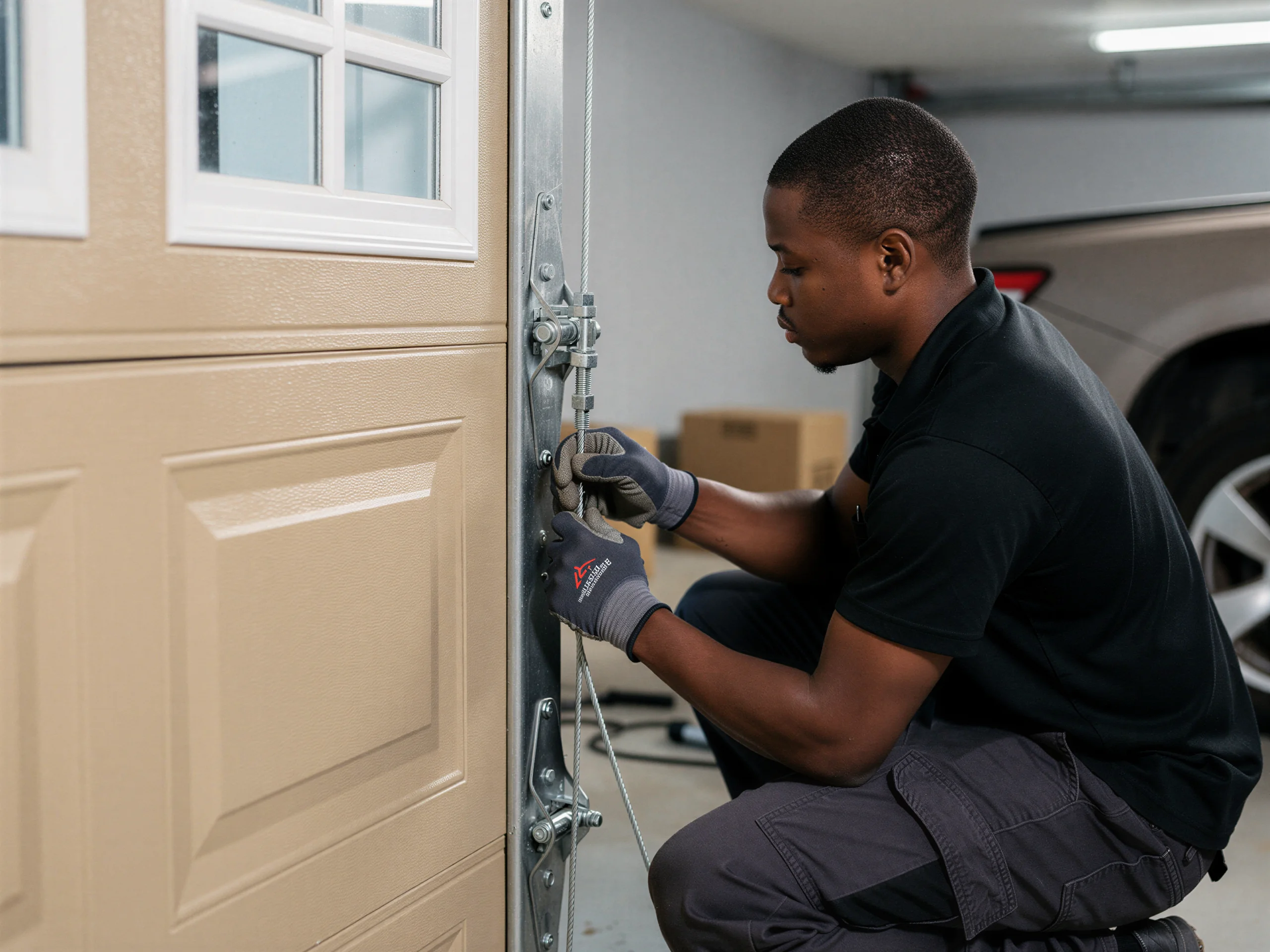
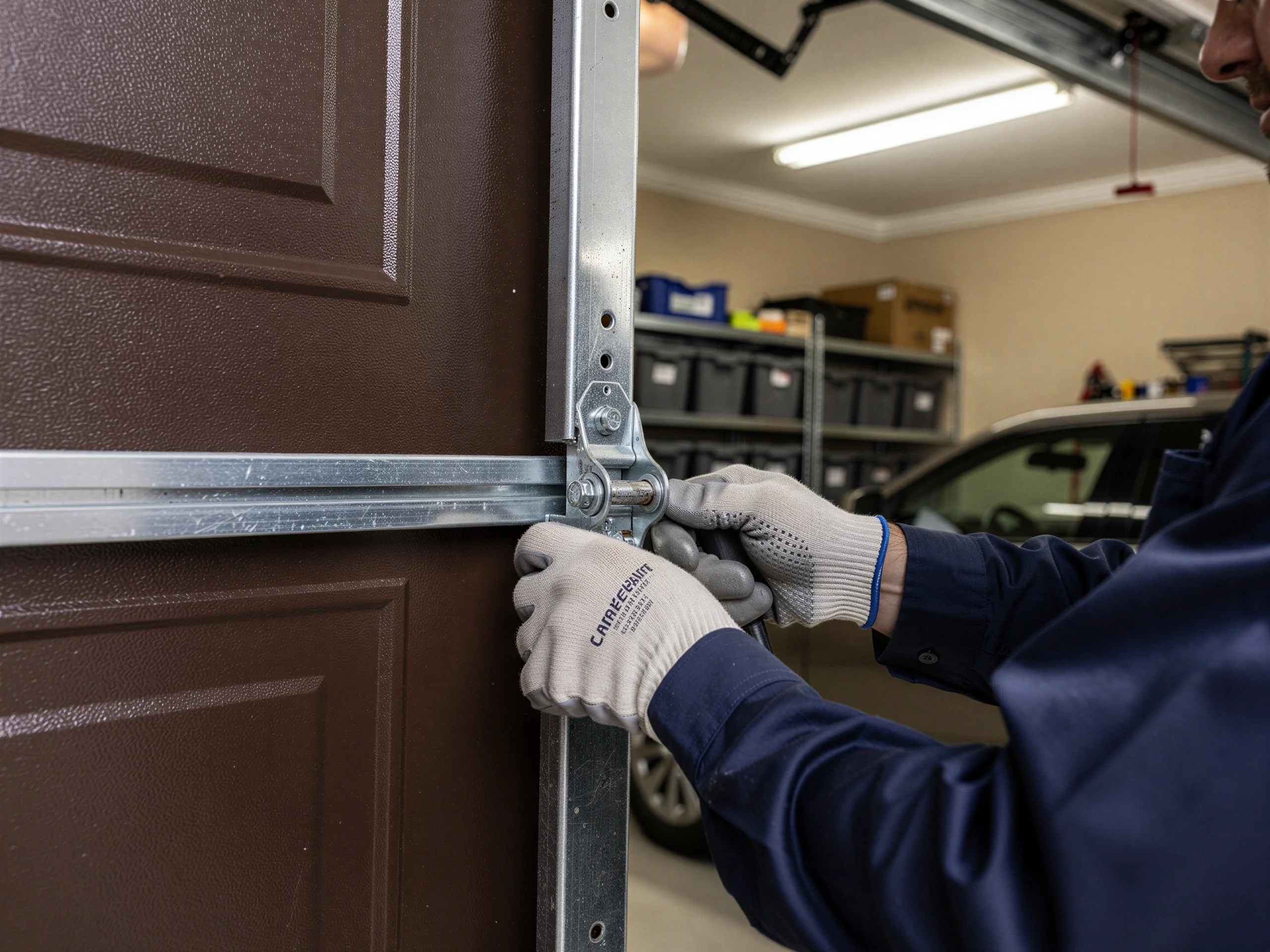
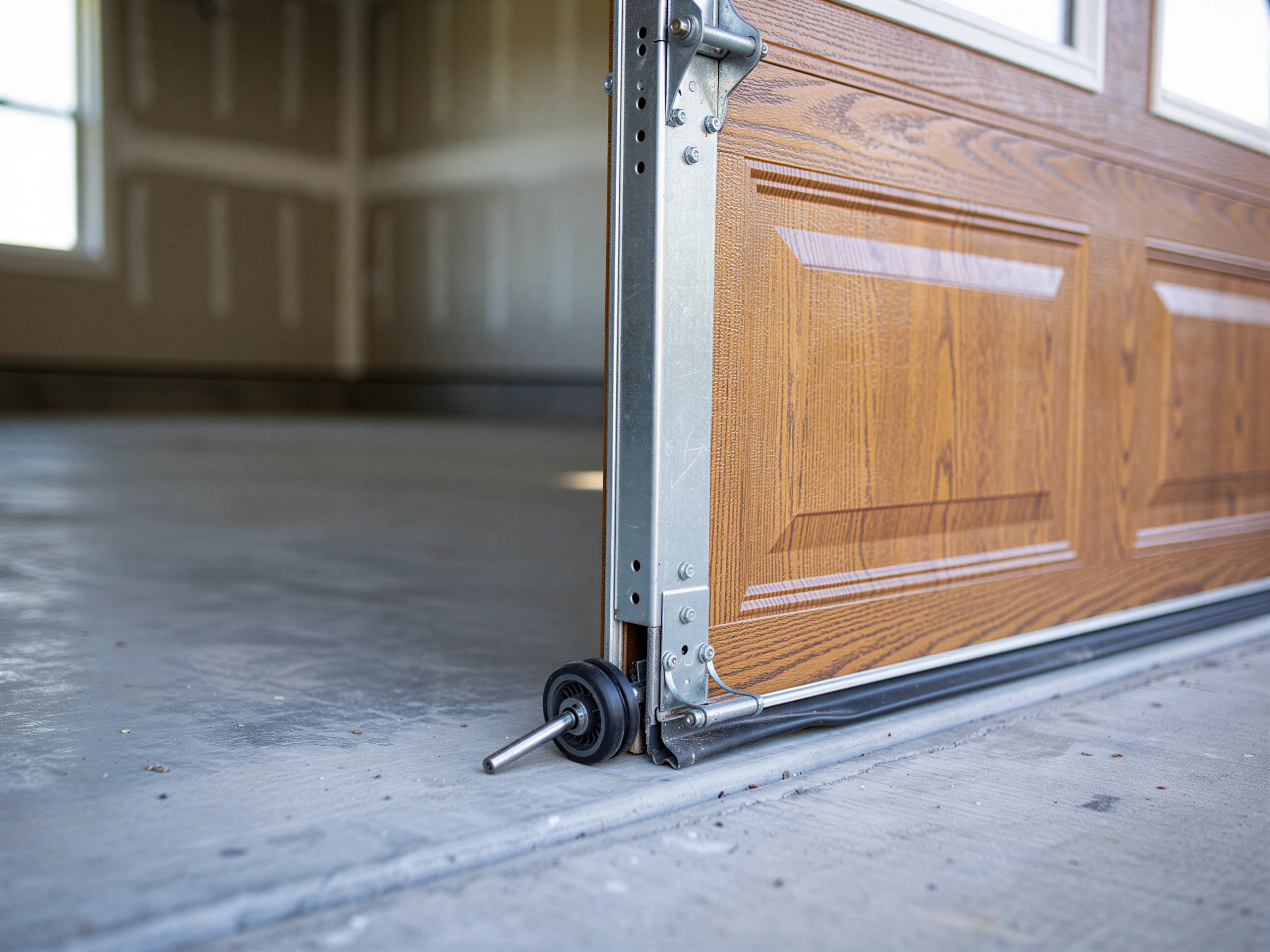
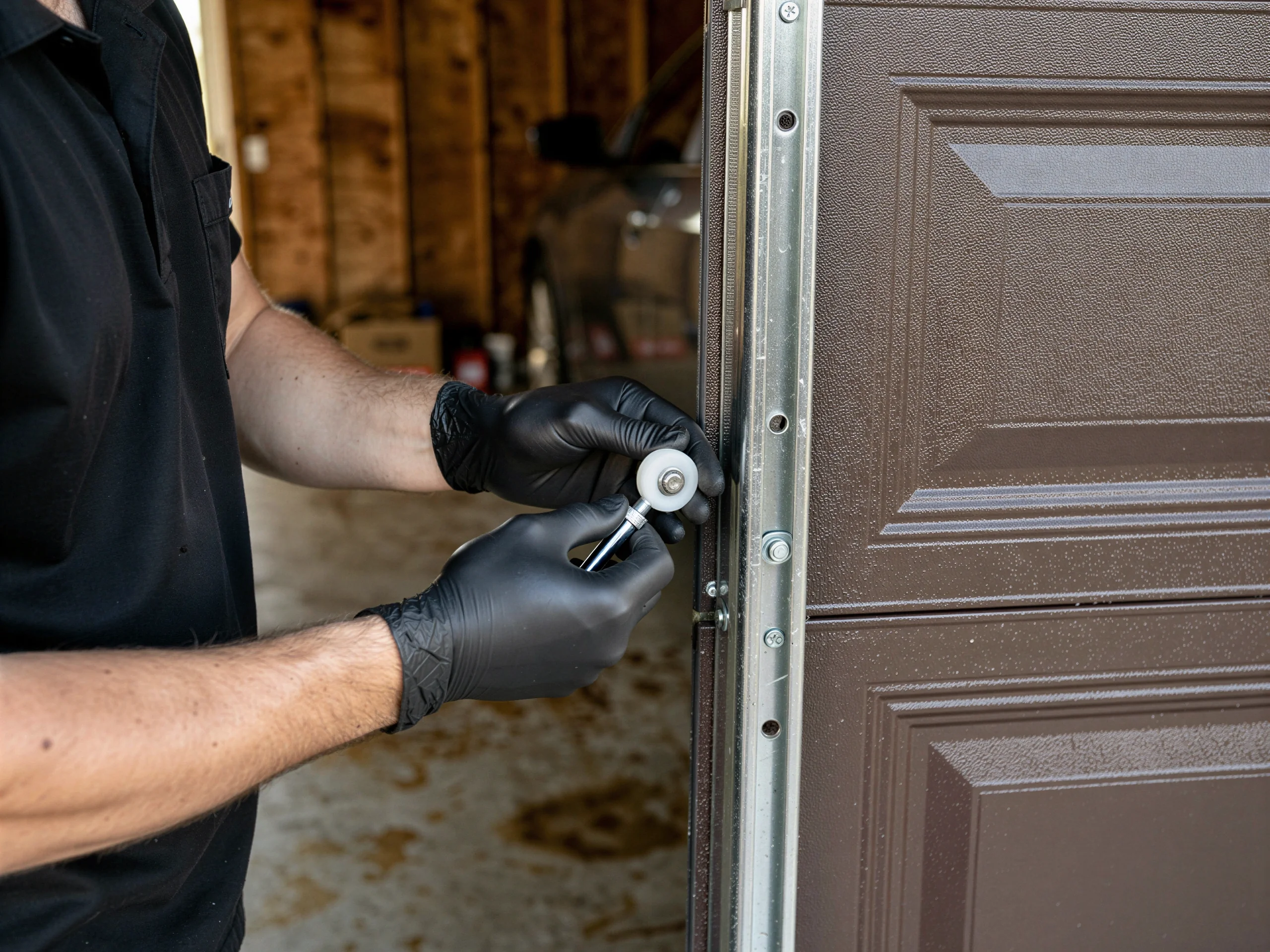
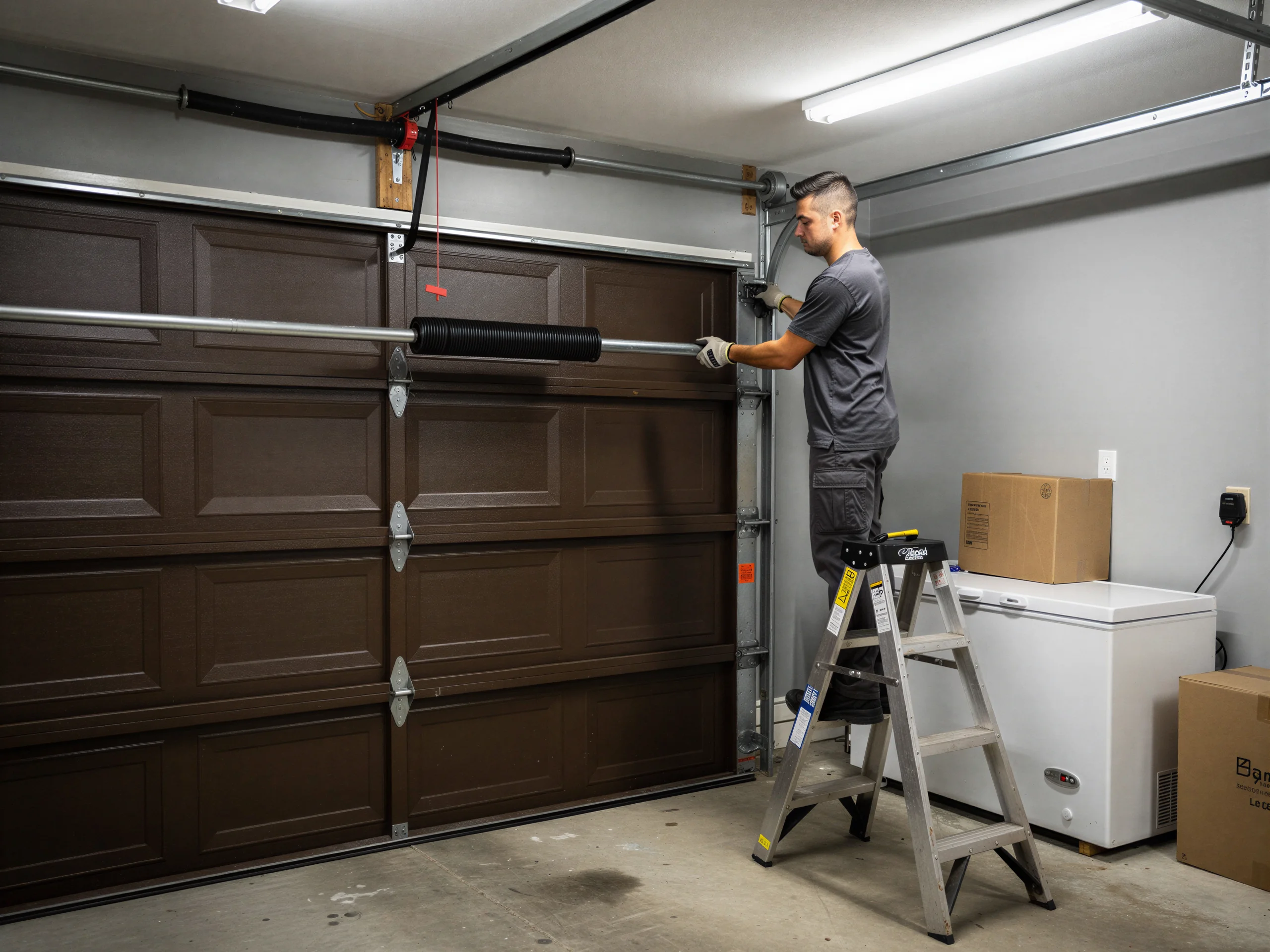
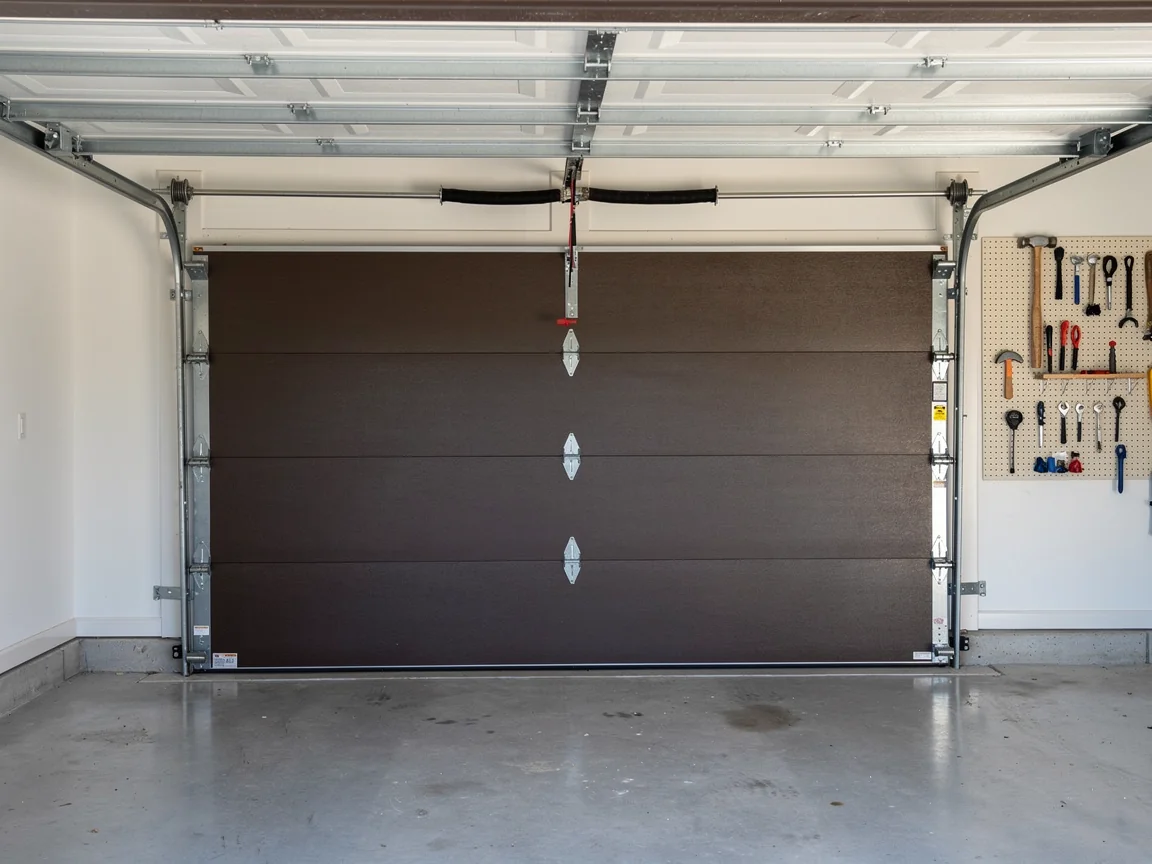
That gap matters on the truck. Houses from this era went up with steel sectional doors on factory torsion springs, not the wood-panel doors on extension springs that dominate the 1960s blocks. We carry torsion spring sets sized for standard 7-foot sectional doors, galvanized rollers rated for steel panels, and the drive gears that fit chain and belt openers sold through the 1980s and into the 90s.
Sensor kits as default
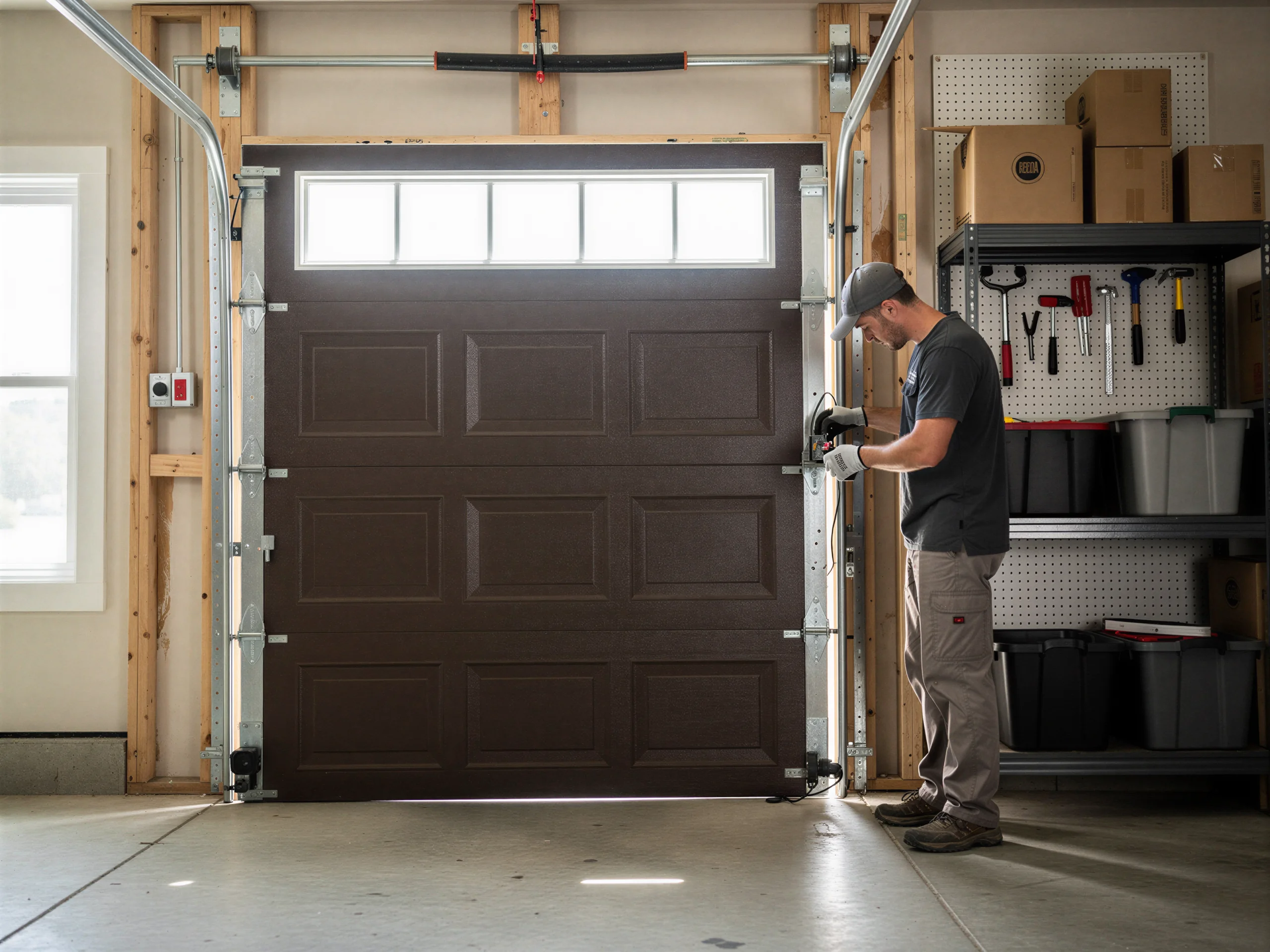
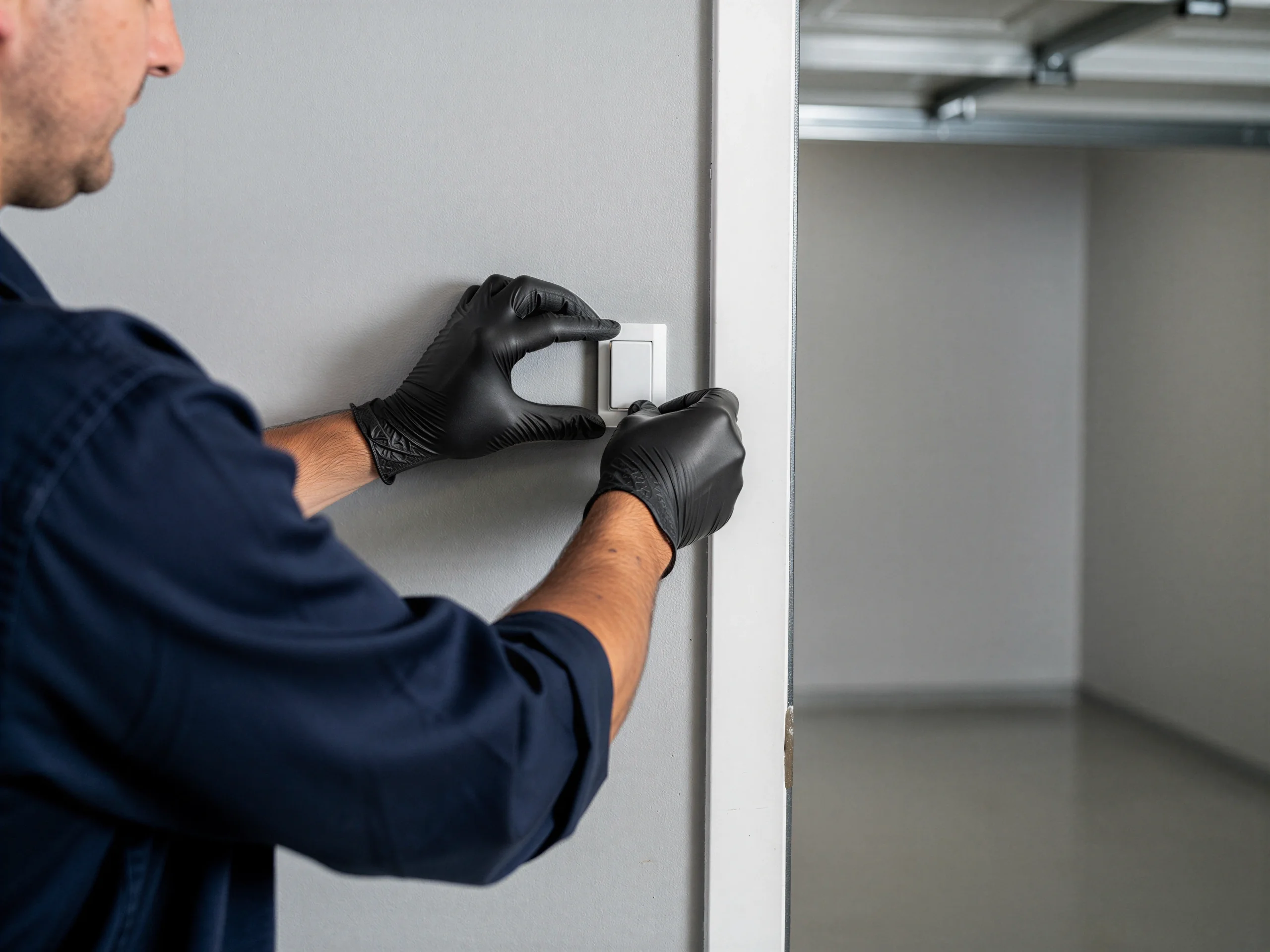
We also bring photo-eye sensor kits as a default, not an afterthought. Openers installed before 1993 didn't ship with them, and a lot of Walnut garages still have the original motor head bolted to the ceiling even after the gears inside have been swapped twice.
Flag pre-mandate openers
If the opener predates the federal sensor mandate, we flag it before we touch anything - that's a safety call, not a sales pitch. One thing we don't carry: parts for the handful of custom or oversized doors that show up on bigger lots. Those get ordered, not pulled off the truck.
The Cost of This Job
We don't post prices here because they depend on the door in front of us, but the economics in Walnut do shape the conversation. Median household income here runs $133,762, well above the $95,385 figure across the wider area this company serves.
Replacement over nursing
In practice that means more Walnut calls end in a decision to replace an aging opener outright instead of nursing a 1980s chain-drive unit through another repair. It's not that the parts cost more here - they don't - it's that owners weigh a full swap against a patch job differently when the budget allows it.
Cheaper, faster spring fix
The honest tradeoff: a torsion spring replacement on a steel sectional door is usually the cheaper, faster fix, and it's often the right call even when the opener looks tired.
Both now saves trip
We'll tell you when spring work buys you real years versus when the opener itself is the thing about to fail. Replacing both at once costs more up front but saves a second trip. We'd rather say that plainly than let a bad guess cost you a Saturday.
What the Fix Involves
On a 1980s steel sectional door, the fix almost always starts at the torsion spring, mounted on a shaft above the door rather than stretched along the horizontal track the way older extension-spring setups are built.
Measuring wire and wind
We measure the wire gauge and wind count off the dead spring rather than guess from the door's weight alone, because factory specs from this era varied by manufacturer even on doors that look identical from the driveway.
Drive gear and capacitor
If the opener is original or close to it, we check the drive gear and capacitor before assuming the motor is done - chain-drive units from this period often fail there first, long before the motor itself gives out.
Corroded roller stems
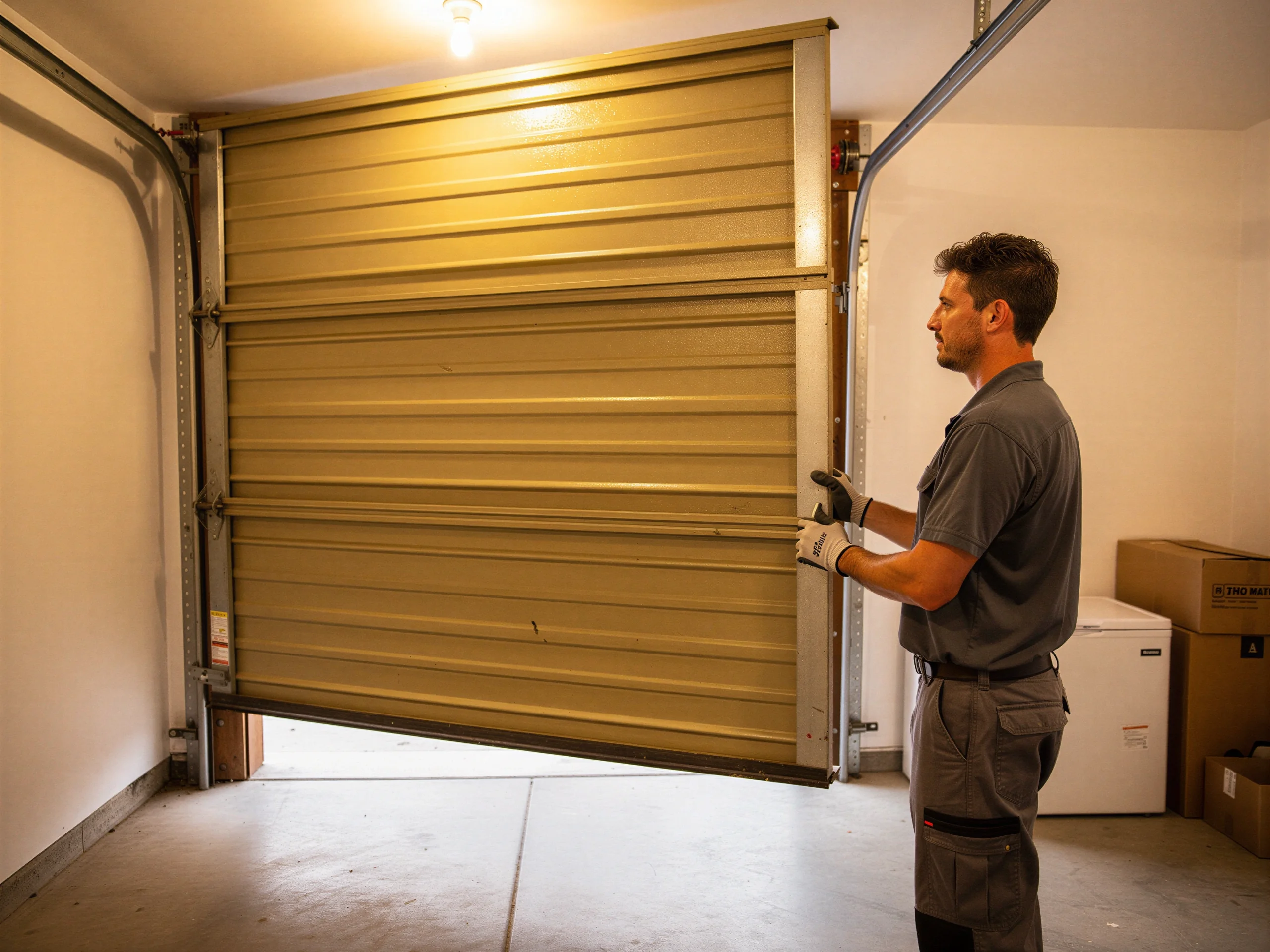
Rollers get inspected too; galvanized steel rollers from a 1983-era build are usually still round but the stems corrode at the bracket, which is what causes the door to bind on one side. We test the balance with the opener disconnected, by hand, before we reconnect power. A door that won't hold itself at waist height has a spring problem, not an opener problem, no matter what the remote is doing.
The Symptom
The call we get most from this part of the territory is a door that reverses halfway up, or one that the opener strains against before it gives up and the owner has to lift it by hand.
Forty years of stretch
That's the torsion spring losing tension on a door built for factory-balance specs that are now 40 years into a gradual stretch and fatigue cycle on the spring steel. A second common one: a chain-drive opener that grinds and rattles louder than it used to, then starts skipping chain links.
Gear set wear
That's the gear set inside the motor housing wearing down - a known weak point on openers from this build era, independent of the door itself. Less common but real: a door that looks fine standing still but drifts shut on its own a few inches after the opener stops.
Gravity winning, slowly
That's a sign the spring has lost enough tension that gravity is starting to win, even though the door hasn't failed outright yet. None of these are emergencies the day they start. They get worse.
Why This Fails Locally
The mild temperate climate across this part of the service area doesn't put the same stress on garage door hardware that you'd see in a place with hard freezes or heavy humidity swings - springs here fail from age and cycle count, not from rust seizing a track overnight. That's a slower, quieter failure, which is part of why so many Walnut doors run years past the point where the spring should've been swapped: nothing breaks suddenly, it just gets harder to lift until one day it doesn't lift at all.
The other piece is simply math. A torsion spring rated for a certain number of open-close cycles was never meant to last 40 years on a door built around 1983, even in a climate this forgiving. Combine that with original chain-drive openers nobody's replaced, and Walnut ends up with a specific, predictable failure pattern: spring fatigue first, gear wear second, both arriving around the same age regardless of how well the door was maintained. We see it often enough in this corner of the territory that it's less a surprise than a schedule.
Talk to a local pro
Garage door service in La Mirada?
Same-day service with honest, upfront quotes.