What Is on the Truck
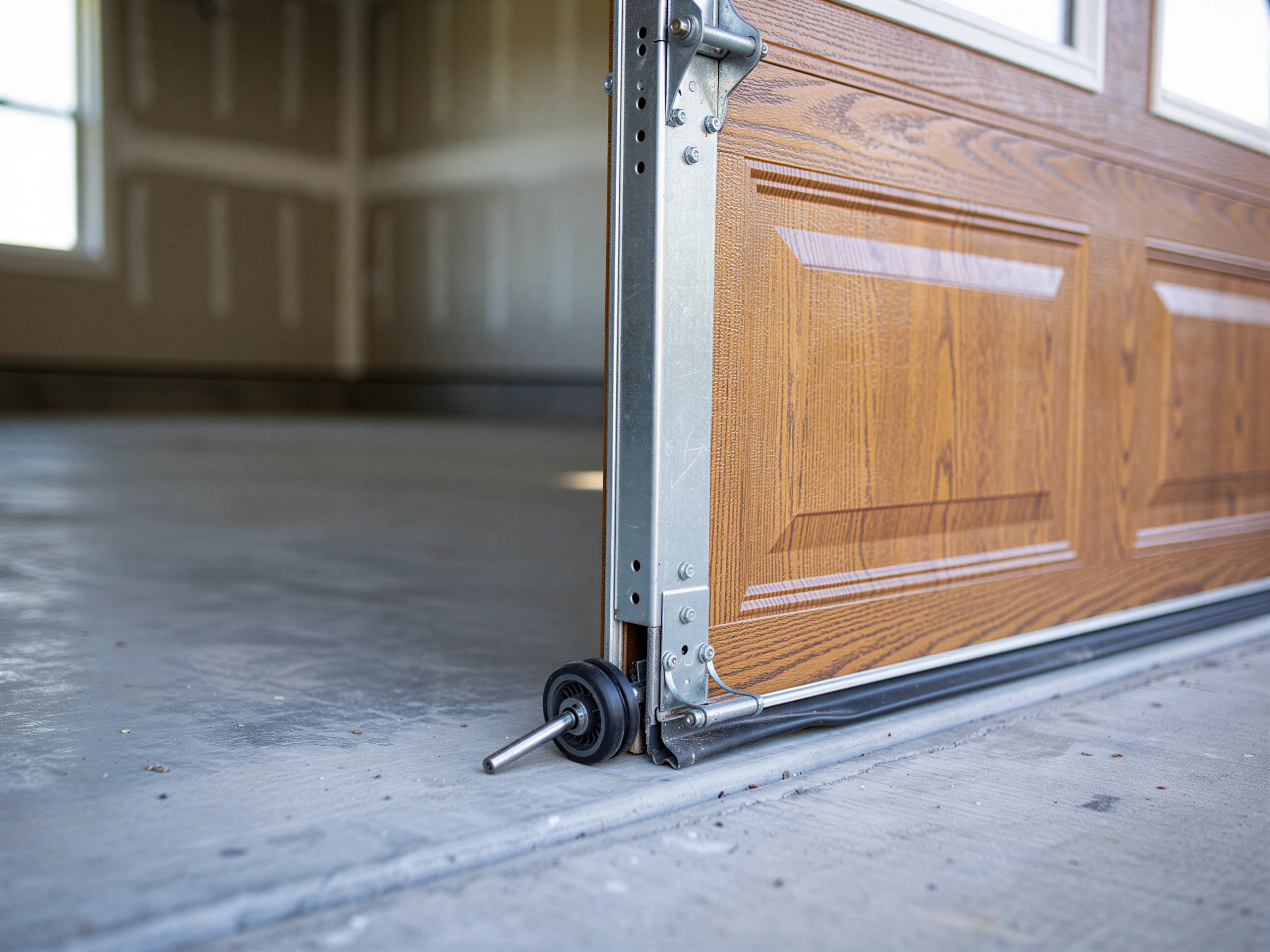
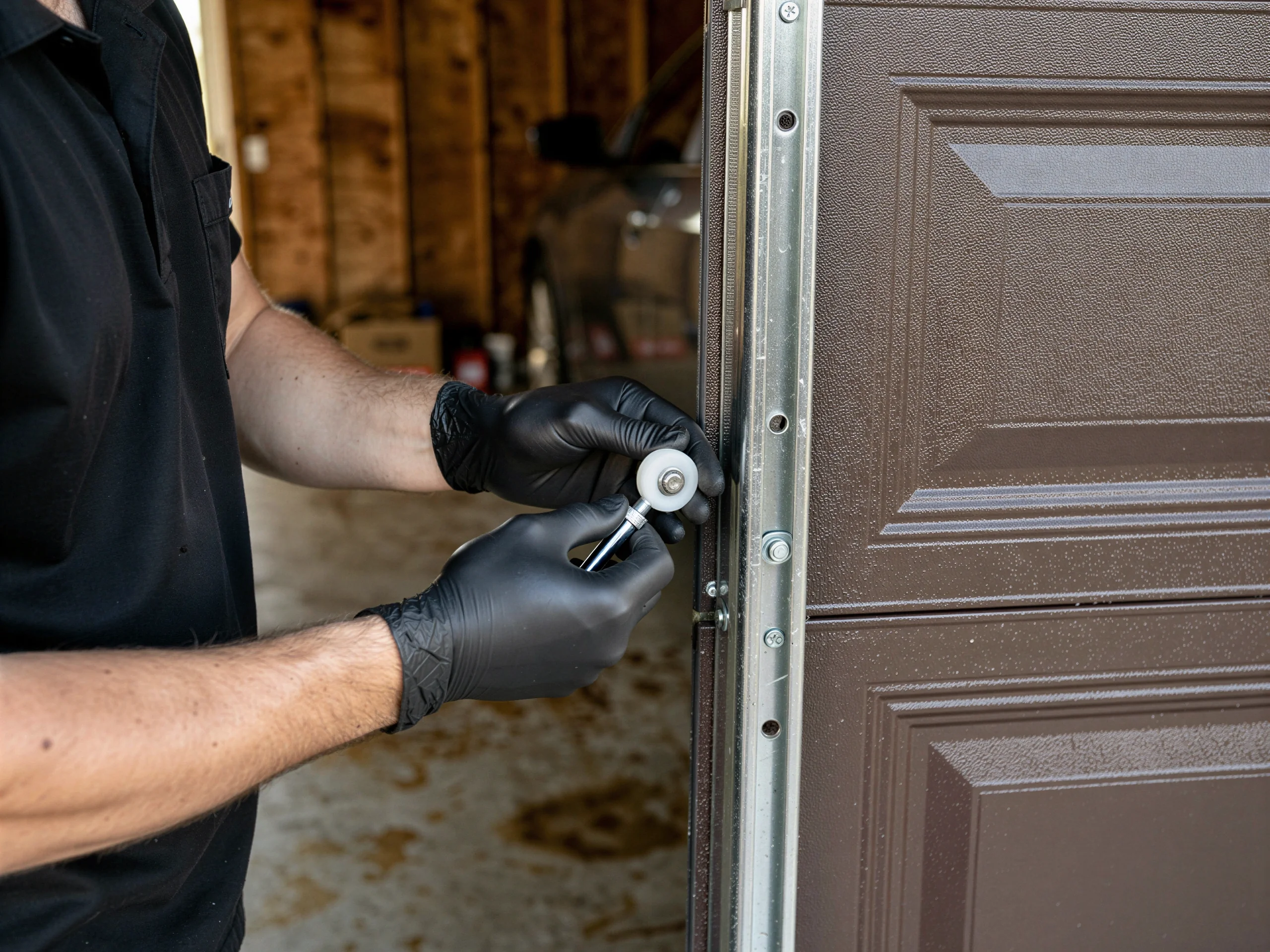
The run from La Mirada out to Walnut covers about 13 miles, which changes how a job here gets scheduled. It's far enough that we load the truck for the specific hardware this side of the service area uses, rather than guessing once we're on site.
Newer build, new brackets
Walnut's housing mostly went up around 1983, which is a full two decades newer than the 1964 median across the rest of the territory we cover. That matters for openers because the bracket spacing, rail length, and header clearance on an early-80s tract garage aren't the same as what you'd find on a house built when torsion springs were still new to the market.
Chain, belt, jackshaft stock
We carry both chain-drive units, which match the original hardware on most Walnut garages, and belt-drive units for owners switching away from the noise. We bring jackshaft options too, since some of the attached-garage layouts out here leave less headroom than you'd expect.
No predating-door stock
What we don't carry is a stock of parts for doors that predate anything in this area - Walnut doesn't have that kind of housing stock, so we don't load for it. If a job turns out to need something outside what's on the truck, that's a second trip, and we'll say so before we start rather than after.
The Cost of This Job
Walnut's median household income runs $133,762, well above the $95,385 median across the wider service area we cover from La Mirada. In practice that shows up as a different kind of request: fewer calls asking for the cheapest opener that will run the door, more calls asking for a belt-drive unit with battery backup or smart-phone control built in from the start, since the household can absorb the difference without much debate.
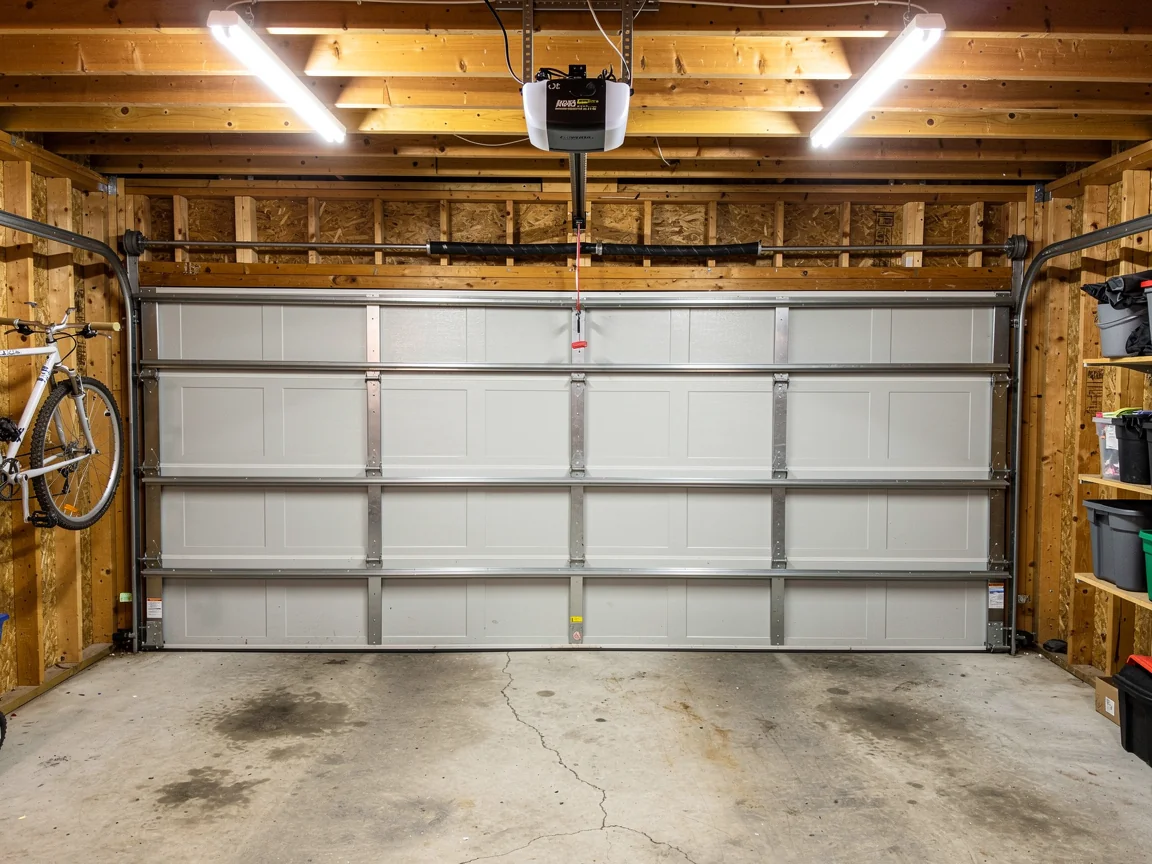
We're not going to quote a number here, because the honest answer depends on what's already on the door - whether the existing rail and bracket can be reused, whether the door itself needs a heavier opener because it was upgraded to an insulated panel at some point after 1983, and whether the circuit needs any electrical work before an opener goes in. What we will say is that a straight swap, same mount points, same horsepower class, costs less than a job where we're also reinforcing a header or running new wiring. Ask for both numbers before you commit to either.
What the Fix Involves
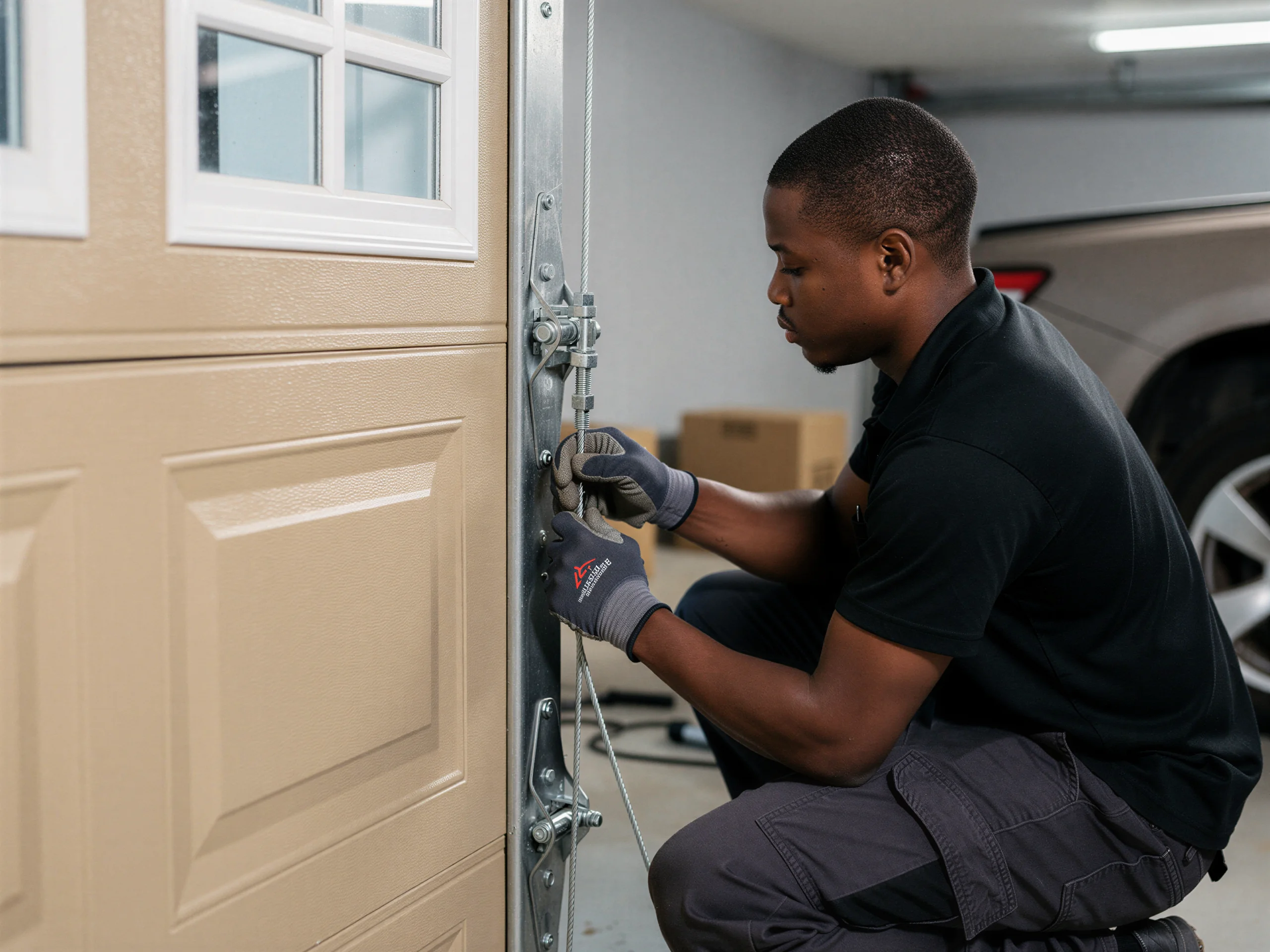
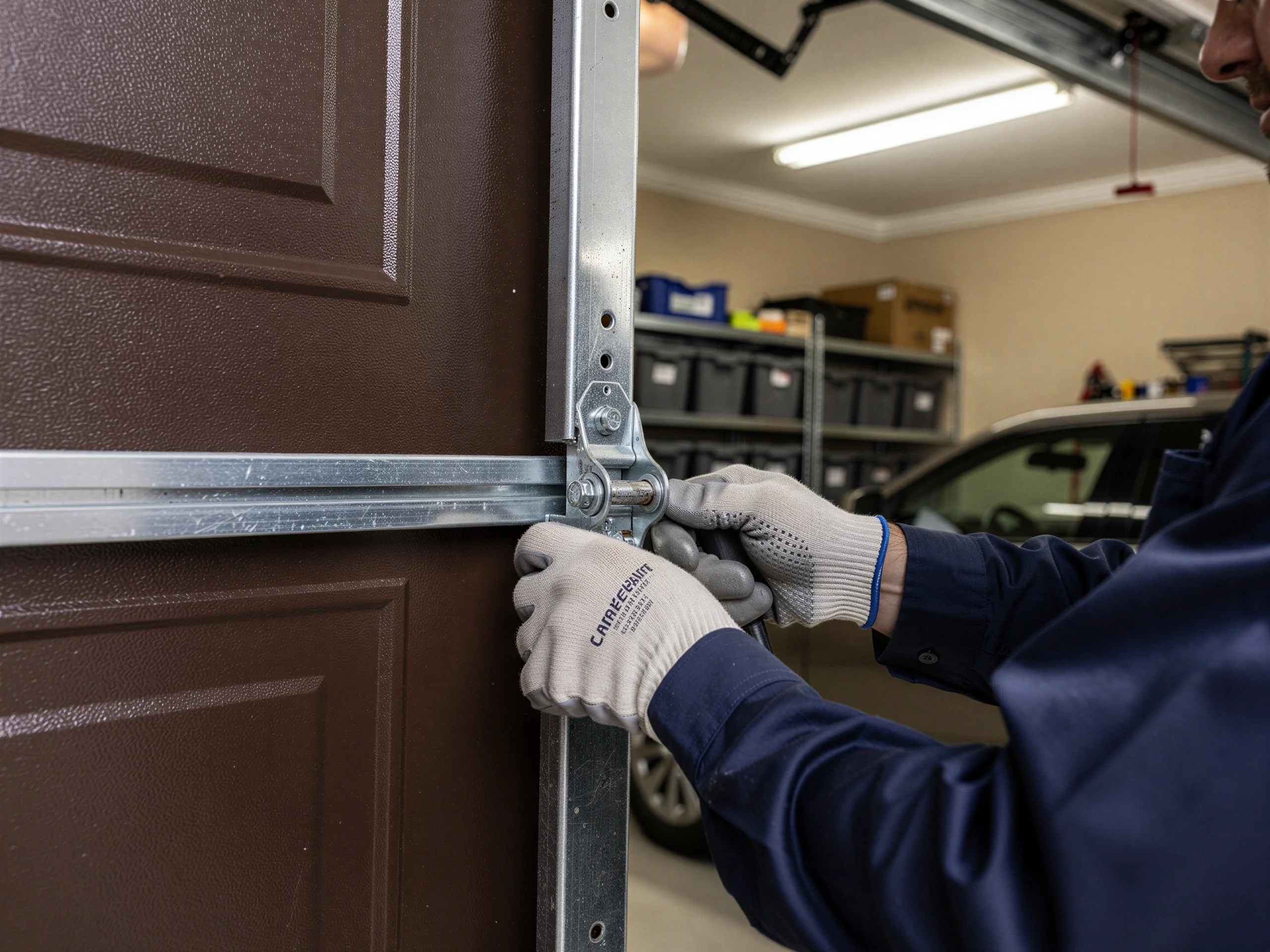
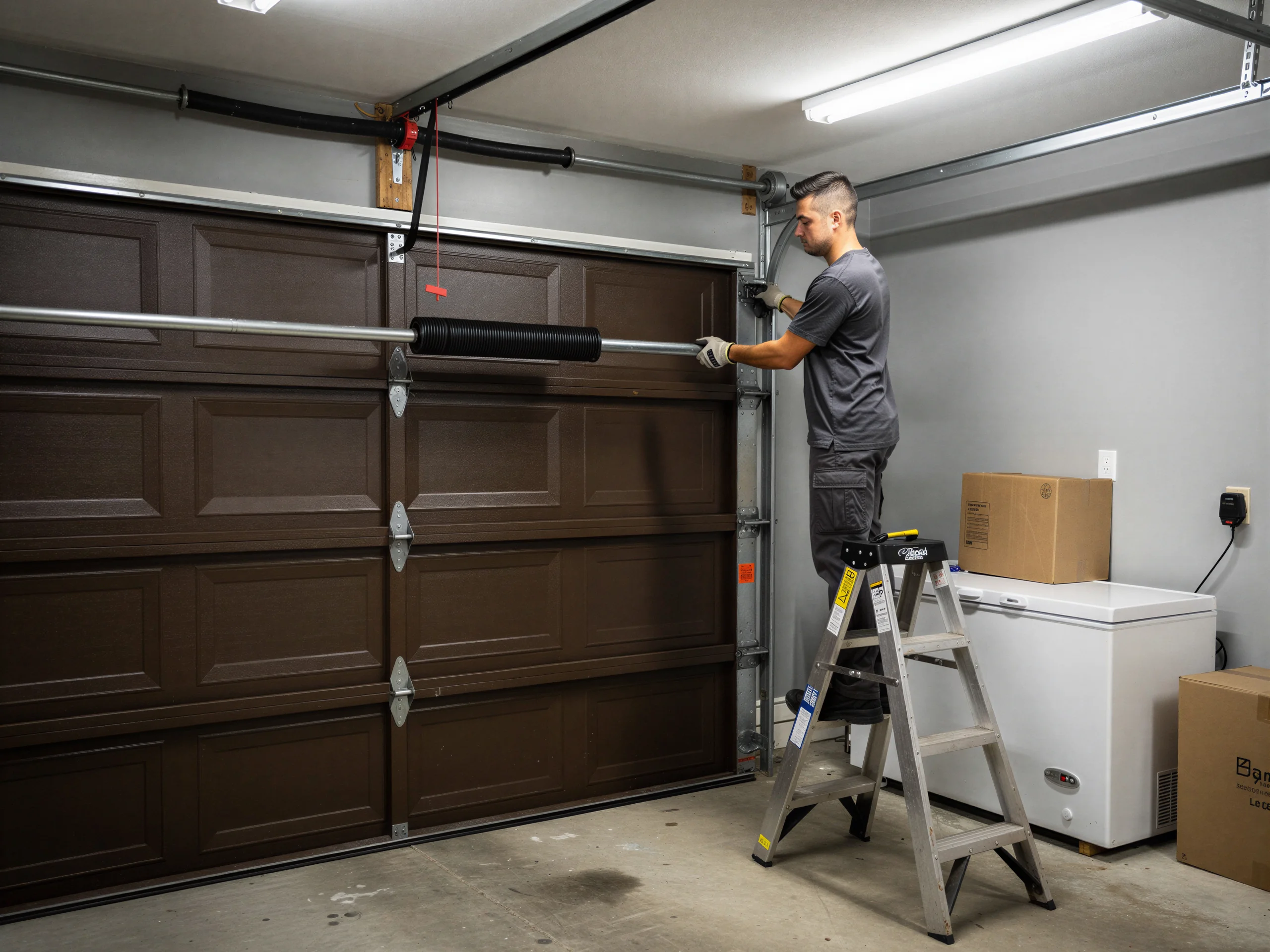
Installing a new opener in a Walnut garage usually starts with the header bracket, because 1983-era construction wasn't built with today's heavier insulated doors in mind.
Reinforce bracket first
If the door's been upgraded since the house was built, the bracket often needs reinforcing before a new opener motor goes up - skip that step and you're back out in six months with a sagging rail.
Test limits on existing door
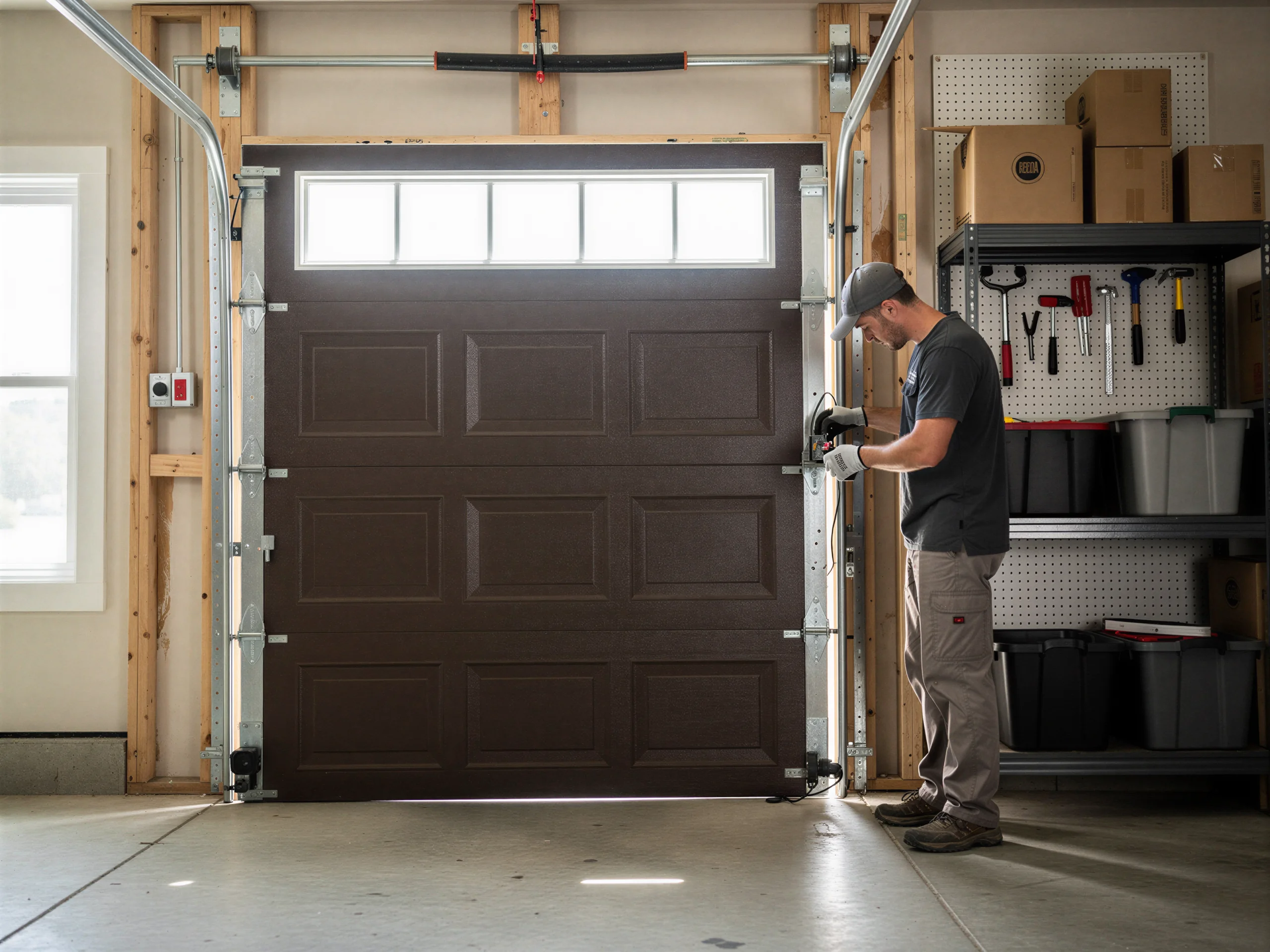
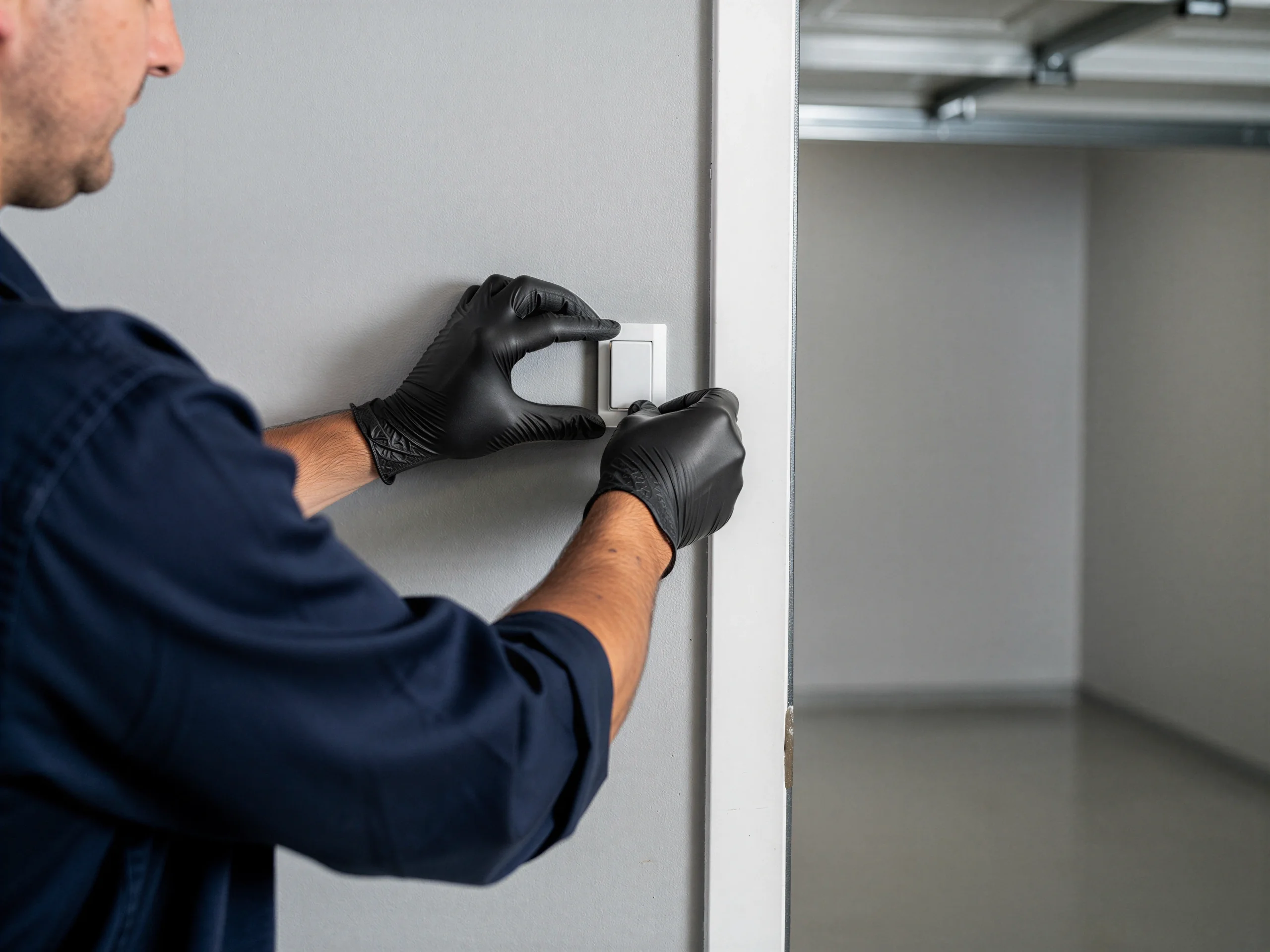
After the bracket, the work is the rail, the motor head, the safety sensors at the base of the track, and the wall control. We test travel limits on the existing door rather than assuming factory settings, because doors from this era vary in weight depending on whether the panels are original steel or a later insulated swap.
Force setting safety
Last is the force setting - set it too high and the opener will keep running on a jammed door instead of reversing, which is a safety issue, not just an inconvenience. We check that a door reverses cleanly off a 2x4 on the ground before we call the job finished. That test takes two minutes and it's the one we won't skip, even on a straightforward swap.
The Symptom
The call we get most from this part of the territory isn't a dead opener - it's one that runs but strains. The motor hums, the door moves slower than it should, and sometimes it stops partway and reverses on its own.
Lift strain from upgrades
On a house from Walnut's 1983 building period, that's rarely the motor itself failing outright. More often it's a chain-drive opener that was sized for the original lightweight steel door, now lifting a heavier insulated panel someone swapped in later without upgrading the opener to match.
Remote dead, button works
The other common version is an opener that simply won't respond to the remote anymore while the wall button still works. That's usually a dying circuit board rather than a dead remote battery, and on units from this era the board is often original equipment that's been running for decades.
Catch it early
Either symptom is worth a look before the opener fails completely and leaves the door stuck, which is a worse problem to solve on short notice than one caught early.
Why This Fails Locally
Walnut sits in the same mild temperate climate band as the rest of the territory we cover, so this isn't a story about heat warping rail brackets or cold snapping springs - that's not what's driving the calls out here. The failure pattern in Walnut comes from the gap between when the tract was built, around 1983, and when owners started upgrading the doors on top of original openers. A heavier insulated door on a motor sized for the original steel panel is overworked every single cycle, and that shows up as early gear wear and burned-out circuit boards years before it should.
With 8,534 households in Walnut, that's a fair number of garages running the same mismatch at roughly the same age, which is why the symptom above repeats so consistently on this side of the service area. It's a different failure than you'd see on 1960s stock, where the issue is usually just age and original hardware finally giving out. Here it's a mismatch between two upgrades made twenty years apart that were never meant to work together.
Talk to a local pro
Garage door service in La Mirada?
Same-day service with honest, upfront quotes.